THE ADVENTURE COLLECTIVE® · Independent discovery and booking for outdoor travel

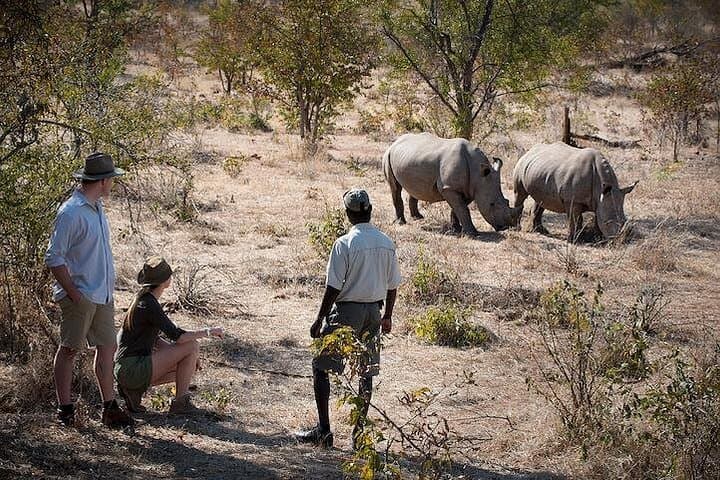
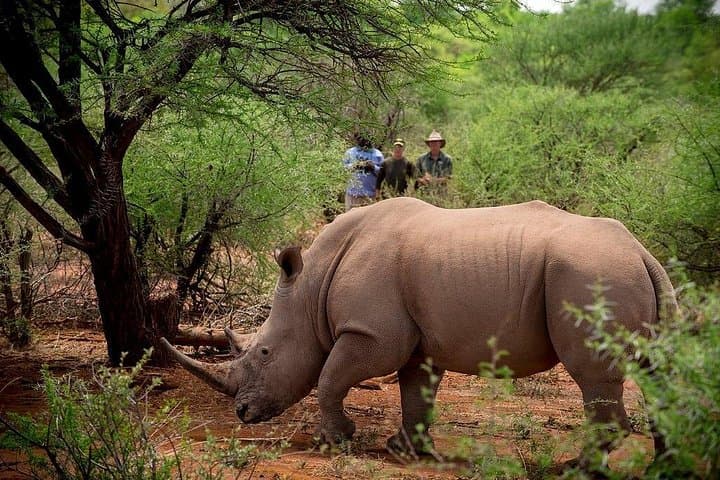
Walk on foot through Mosi-oa-Tunya’s scrub to track White Rhino with a guide and armed scout. This private, early-morning safari mixes close observation with fieldcraft and local conservation practices—ideal for travelers who prefer slow, sensory wildlife experiences.
Walk on foot through Mosi-oa-Tunya’s scrub to track White Rhino with a guide and armed scout. This private, early-morning safari mixes close observation with fieldcraft and local conservation practices—ideal for travelers who prefer slow, sensory wildlife experiences.
Arriving at the park gate before sunrise, you step out of the vehicle into a breath of cool, pepper-scented air. The guide checks boots and radios; an armed scout folds into the scrub like a quiet promise. As you move off, the bush takes on character—acacia thorns that seem to point the way, grasses that whisper and test your footing, and distant calls from a river that keeps pulling the landscape downhill.
Verified experiences and guided adventures in the surrounding area.
Operated by Our Safaris · Livingstone, Southern Province
Arriving at the park gate before sunrise, you step out of the vehicle into a breath of cool, pepper-scented air. The guide checks boots and radios; an armed scout folds into the scrub like a quiet promise. As you move off, the bush takes on character—acacia thorns that seem to point the way, grasses that whisper and test your footing, and distant calls from a river that keeps pulling the landscape downhill.
Mosi-oa-Tunya National Park sits on ancient floodplain soils carved by the Zambezi; the flat expanses and islands of mopane trees give way to seasonal wetlands. The White Rhino here is part of a conservation story that spans colonial hunting, protection programs, and ongoing anti-poaching patrols. Local Tonga and Lozi communities have long held knowledge of the land—tracks, dry-season springs, and animal corridors—that guides translate into safe, low-impact routes.
The walk is practical: slow, focused tracking rather than long-distance hiking. You’ll cover uneven ground for about three hours, stopping for homemade iced lemon juice and cake at a shady patch mid-route. Expect close-but-respectful wildlife encounters and a steady stream of field interpretation from your guide; silence is part of the tool kit.
Plan for heat and sun, sturdy shoes and insect protection, and an early start to beat rising temperatures. Hydrate before you leave the lodge; carry light layers for pre-dawn coolness. Follow the scout and guide instructions—animals set the rules. This is a deliberate, slow-motion safari where patience, respect, and a good pair of walking shoes deliver the reward.
moderate.
3–4.5 hours.
Good mobility for walking on uneven bush terrain for several hours; not technical but requires stamina.
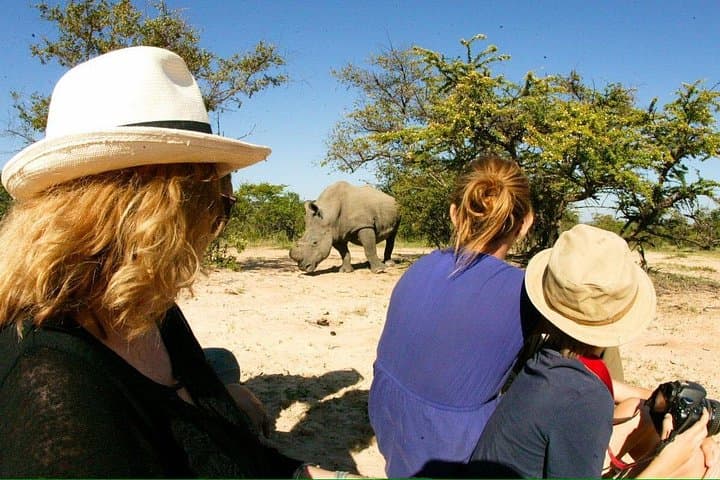
Guides and scouts aim for safe, non-intrusive sighting distances; exact proximity varies with animal behavior but expect good, respectful views rather than touching distances.
Yes—each group is accompanied by an armed Zambia Wildlife Authority scout and an experienced guide; clients must follow instructions to minimize risk.
Transfer, guide, scout escort, cold water, and mid-walk refreshments are included; walking time is about three hours and the full excursion takes about 4–4.5 hours including transfers.
Group limitations and safety considerations apply; confirm age restrictions at booking and note that maximum group size is eight.
The park and surrounding lands have long been used by Tonga and Lozi communities; modern protection efforts grew after 20th-century declines in large mammal populations.
Visits are regulated to limit impact—small group sizes and armed scouts reduce disturbance and support anti-poaching efforts; follow Leave No Trace practices.
Our Safaris operates guided outdoor trips and adventures with an emphasis on safety, stewardship, and memorable experiences.
Arriving at the park gate before sunrise, you step out of the vehicle into a breath of cool, pepper-scented air. The guide checks boots and radios; an armed scout folds into the scrub like a quiet promise. As you move off, the bush takes on character—acacia thorns that seem to point the way, grasses that whisper and test your footing, and distant calls from a river that keeps pulling the landscape downhill.
Arriving at the park gate before sunrise, you step out of the vehicle into a breath of cool, pepper-scented air. The guide checks boots and radios; an armed scout folds into the scrub like a quiet promise. As you move off, the bush takes on character—acacia thorns that seem to point the way, grasses that whisper and test your footing, and distant calls from a river that keeps pulling the landscape downhill.
Mosi-oa-Tunya National Park sits on ancient floodplain soils carved by the Zambezi; the flat expanses and islands of mopane trees give way to seasonal wetlands. The White Rhino here is part of a conservation story that spans colonial hunting, protection programs, and ongoing anti-poaching patrols. Local Tonga and Lozi communities have long held knowledge of the land—tracks, dry-season springs, and animal corridors—that guides translate into safe, low-impact routes.
The walk is practical: slow, focused tracking rather than long-distance hiking. You’ll cover uneven ground for about three hours, stopping for homemade iced lemon juice and cake at a shady patch mid-route. Expect close-but-respectful wildlife encounters and a steady stream of field interpretation from your guide; silence is part of the tool kit.
Plan for heat and sun, sturdy shoes and insect protection, and an early start to beat rising temperatures. Hydrate before you leave the lodge; carry light layers for pre-dawn coolness. Follow the scout and guide instructions—animals set the rules. This is a deliberate, slow-motion safari where patience, respect, and a good pair of walking shoes deliver the reward.