THE ADVENTURE COLLECTIVE® · Independent discovery and booking for outdoor travel

Follow a private route from Bucharest to Târgovişte, Curtea de Argeș, Poenari Castle and Vidraru Dam — a full-day blend of medieval history, steep stair climbs and mountain views. This guide explains what to expect and how to prepare for the day.
Follow a private route from Bucharest to Târgovişte, Curtea de Argeș, Poenari Castle and Vidraru Dam — a full-day blend of medieval history, steep stair climbs and mountain views. This guide explains what to expect and how to prepare for the day.
A wind-driven road follows the Argeș valley as the car peels away from Bucharest; pines press in and limestone ridges rise into the blue. On a private day tour you step out of the city into a sequence of medieval sites — the fortified court of Târgovişte, the carved stones of Curtea de Argeș, the iron spine of Vidraru Dam and the stark ruin of Poenari Castle reached by a stairway of 1,480 steps.
Verified experiences and guided adventures in the surrounding area.
Operated by Romania Private Guide · Bucharest, Bucharest
A wind-driven road follows the Argeș valley as the car peels away from Bucharest; pines press in and limestone ridges rise into the blue. On a private day tour you step out of the city into a sequence of medieval sites — the fortified court of Târgovişte, the carved stones of Curtea de Argeș, the iron spine of Vidraru Dam and the stark ruin of Poenari Castle reached by a stairway of 1,480 steps.
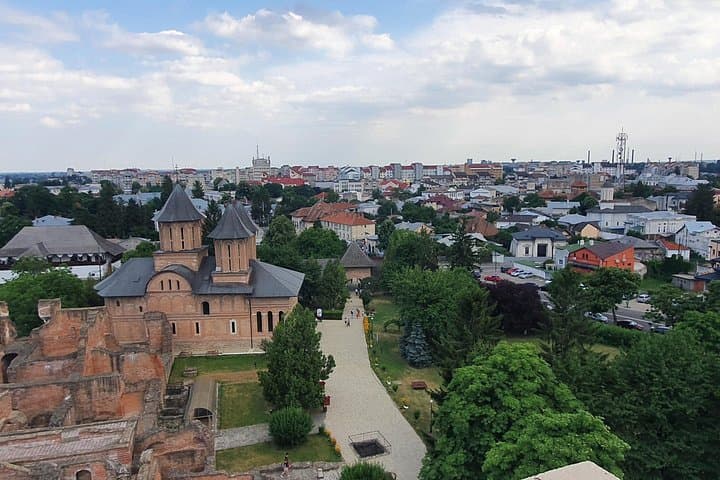
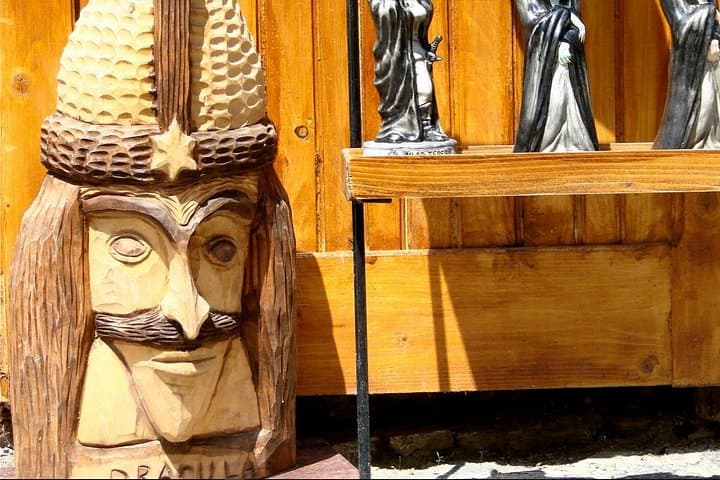
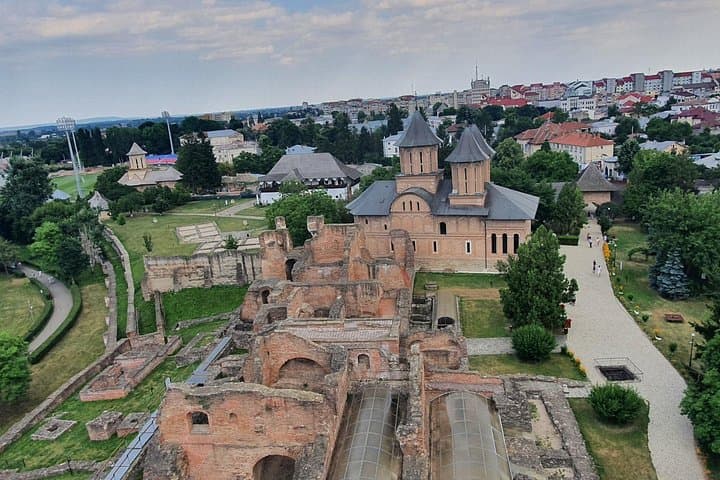
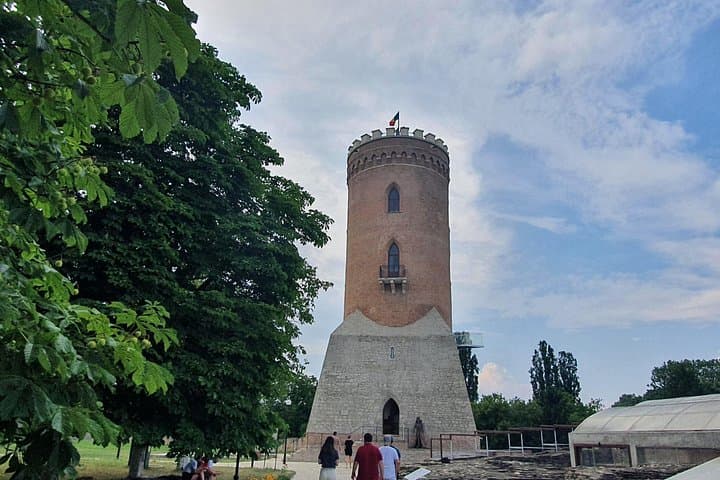
These places carry hard history: Târgovişte was a medieval capital where princely courts were fortified in the 15th century, while Curtea de Argeș preserves royal mausolea and a 16th–17th-century ecclesiastical architecture. Poenari, the mountain fortress associated with Vlad III, perches on a rocky spur overlooking the Argeș Gorge; the dam at Vidraru, completed in 1966, reshaped the valley and still controls the river’s temper.
Expect a mix of short walks, ruin exploration and a steep, sustained climb at Poenari. Terrain varies from cobbled courtyards and ruin slopes to paved roads and high, exposed stair runs. Cultural context and geology intertwine: folded Carpathian limestone frames the high views, while local towns preserve Orthodox liturgical art and funerary architecture.
Practical guidance: start early from Bucharest, wear grippy shoes and layered clothing, and bring water and ID for monastery entries. The private guide handles logistics and parking; admissions may be paid on site. Time your visit for good daylight to tackle the Poenari stairs and to photograph Vidraru’s dramatic arch before the evening light fades.
moderate.
10–11 hours.
Suitable for travelers who can walk on uneven ground and climb sustained flights of stairs; mostly low-impact otherwise.
Most departures are from central Bucharest with return to the same area at the end of the day; private pickup point can often be arranged.
Admissions are typically paid on site; the private guide will advise and can usually handle purchase for the group.
The climb is steep and continuous (about 1,480 steps); fit visitors can complete it but should allow rest breaks and avoid it in poor weather.
The overall tour is family-friendly, but the Poenari stairs may be too demanding for very young children or guests with limited mobility; alternatives include viewing from lower viewpoints.
Târgovişte served as a medieval capital and princely court from the 15th century; Poenari was reinforced under Vlad III and later fell to time and erosion.
Visitors should stick to marked paths and avoid climbing on fragile ruins; the Argeș watershed depends on careful tourism management to protect forest and freshwater habitats.
Romania Private Guide operates guided outdoor trips and adventures with an emphasis on safety, stewardship, and memorable experiences.
A wind-driven road follows the Argeș valley as the car peels away from Bucharest; pines press in and limestone ridges rise into the blue. On a private day tour you step out of the city into a sequence of medieval sites — the fortified court of Târgovişte, the carved stones of Curtea de Argeș, the iron spine of Vidraru Dam and the stark ruin of Poenari Castle reached by a stairway of 1,480 steps.
A wind-driven road follows the Argeș valley as the car peels away from Bucharest; pines press in and limestone ridges rise into the blue. On a private day tour you step out of the city into a sequence of medieval sites — the fortified court of Târgovişte, the carved stones of Curtea de Argeș, the iron spine of Vidraru Dam and the stark ruin of Poenari Castle reached by a stairway of 1,480 steps.
These places carry hard history: Târgovişte was a medieval capital where princely courts were fortified in the 15th century, while Curtea de Argeș preserves royal mausolea and a 16th–17th-century ecclesiastical architecture. Poenari, the mountain fortress associated with Vlad III, perches on a rocky spur overlooking the Argeș Gorge; the dam at Vidraru, completed in 1966, reshaped the valley and still controls the river’s temper.
Expect a mix of short walks, ruin exploration and a steep, sustained climb at Poenari. Terrain varies from cobbled courtyards and ruin slopes to paved roads and high, exposed stair runs. Cultural context and geology intertwine: folded Carpathian limestone frames the high views, while local towns preserve Orthodox liturgical art and funerary architecture.
Practical guidance: start early from Bucharest, wear grippy shoes and layered clothing, and bring water and ID for monastery entries. The private guide handles logistics and parking; admissions may be paid on site. Time your visit for good daylight to tackle the Poenari stairs and to photograph Vidraru’s dramatic arch before the evening light fades.