THE ADVENTURE COLLECTIVE® · Independent discovery and booking for outdoor travel

Walk Quito’s colonial heart and ride the Teleférico up Pichincha on a six-hour private tour that pairs ornate churches with high-mountain views. Ideal for visitors who want history, geology, and panoramic photo opportunities without strenuous hiking.
Walk Quito’s colonial heart and ride the Teleférico up Pichincha on a six-hour private tour that pairs ornate churches with high-mountain views. Ideal for visitors who want history, geology, and panoramic photo opportunities without strenuous hiking.
The morning opens on Plaza Grande, where colonial stone meets the brisk Andean air and the city stretches outward like a living map. A private guide leads the group through narrow streets to La Compañía’s gilded interior, then onto balconies that frame red-tile roofs and the distant snow-capped peaks. Midday, the tour climbs—literally—aboard Quito’s Teleférico, a cable car that lifts visitors along Pichincha’s flanks to Cruz Loma, where open sky and sweeping ridgelines give a clear sense of the city’s volcanic geology.
Verified experiences and guided adventures in the surrounding area.
Operated by Latin Adventures Cía Ltda · Quito, Pichincha
The morning opens on Plaza Grande, where colonial stone meets the brisk Andean air and the city stretches outward like a living map. A private guide leads the group through narrow streets to La Compañía’s gilded interior, then onto balconies that frame red-tile roofs and the distant snow-capped peaks. Midday, the tour climbs—literally—aboard Quito’s Teleférico, a cable car that lifts visitors along Pichincha’s flanks to Cruz Loma, where open sky and sweeping ridgelines give a clear sense of the city’s volcanic geology.
Quito’s Historic Center dates to the 16th century and is one of the first urban areas declared a UNESCO World Heritage site; its churches combine Spanish baroque with local craftsmanship. Geologically, Pichincha is part of the Western Cordillera of the northern Andes—young, steep, and still active—so the Teleférico’s ascent is both scenic and an easy way to feel the mountain’s scale.
Culturally, expect a mix of religious iconography, colonial plazas used as daily social hubs, and small vendors selling chocolate and local snacks. Practical notes: the tour covers about six hours with short walks on uneven pavement, quick stair climbs in churches, and a high-elevation lookout at ~3,700–4,000 m (12,100–13,100 ft). Bring layers for wind and sun protection, hydrate well to offset altitude effects, and time the Teleférico mid-morning for clearer views. For travelers who want history, geology, and immediate mountain panoramas without strenuous hiking, this private combination delivers both context and spectacle.
easy.
6 hours.
Suitable for most fitness levels; expect moderate walking on uneven surfaces and short stair climbs.
Yes—the itinerary lists the Teleférico entrance as included, so guests ride to Cruz Loma as part of the private tour.
The tour is rated easy; it involves walking on cobblestones and short stair climbs but no sustained hiking.
The Teleférico can be affected by high winds or safety closures; the tour operates in most weather and will adapt the route if needed.
Yes—private transport with free hotel pickup and drop-off in Quito is included in the tour package.
Quito’s Historic Center was largely built under Spanish colonial rule from the 16th century and is one of the earliest UNESCO World Heritage urban sites due to its preserved churches and civic plazas.
Pichincha’s high-altitude páramo is sensitive—stay on maintained access points, avoid littering, and support local operators who minimize vehicle idling and single-use plastics.
Latin Adventures Cía Ltda operates guided outdoor trips and adventures with an emphasis on safety, stewardship, and memorable experiences.
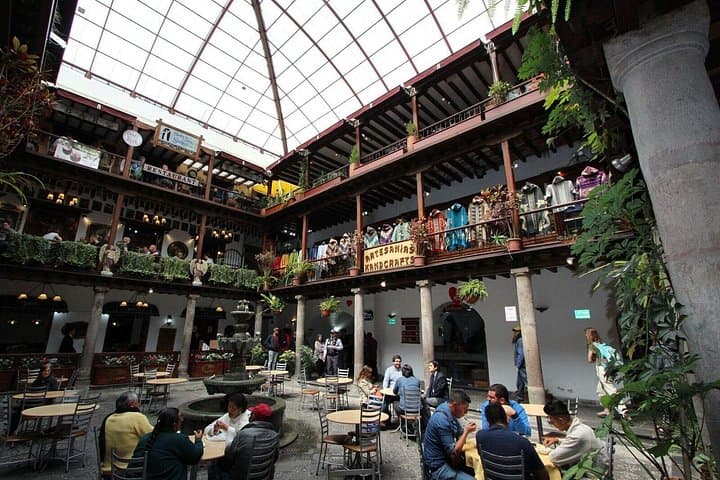
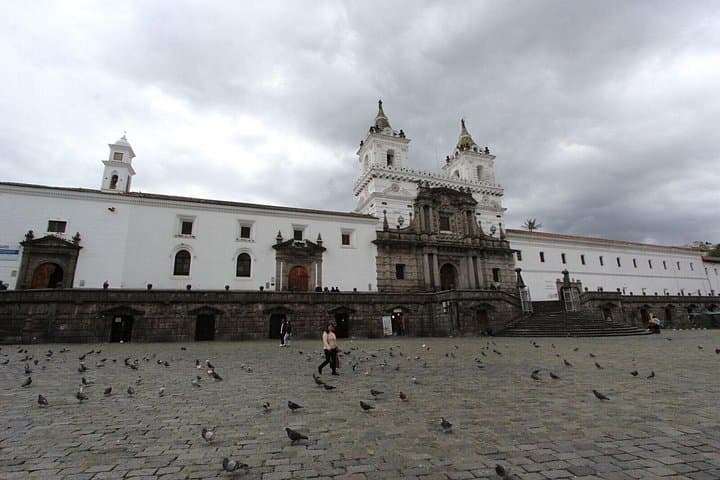
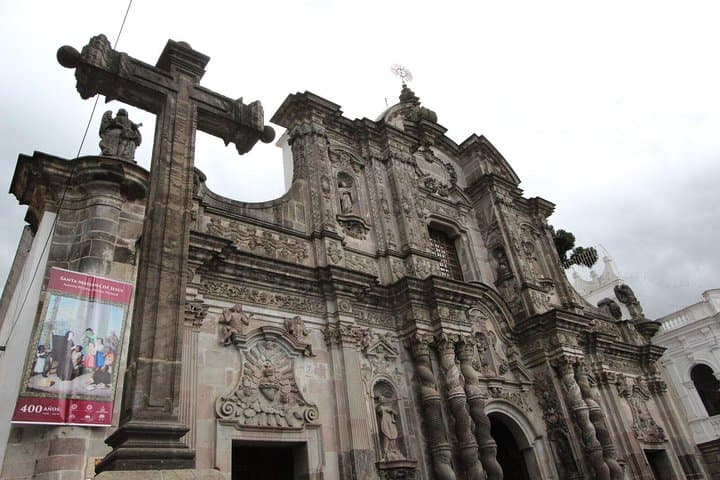
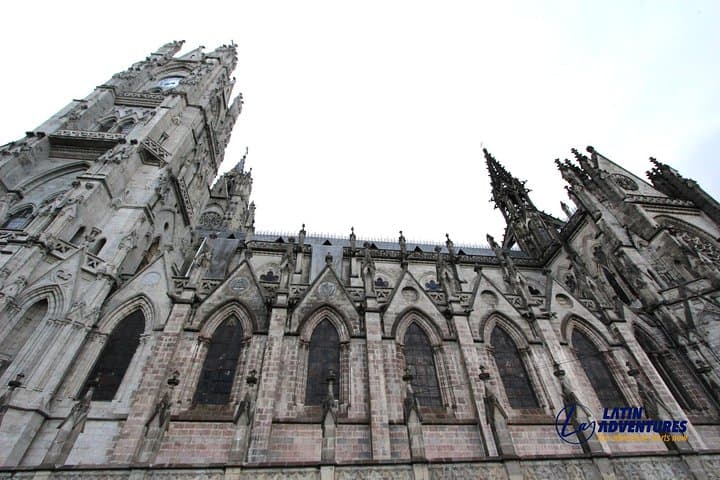
The morning opens on Plaza Grande, where colonial stone meets the brisk Andean air and the city stretches outward like a living map. A private guide leads the group through narrow streets to La Compañía’s gilded interior, then onto balconies that frame red-tile roofs and the distant snow-capped peaks. Midday, the tour climbs—literally—aboard Quito’s Teleférico, a cable car that lifts visitors along Pichincha’s flanks to Cruz Loma, where open sky and sweeping ridgelines give a clear sense of the city’s volcanic geology.
The morning opens on Plaza Grande, where colonial stone meets the brisk Andean air and the city stretches outward like a living map. A private guide leads the group through narrow streets to La Compañía’s gilded interior, then onto balconies that frame red-tile roofs and the distant snow-capped peaks. Midday, the tour climbs—literally—aboard Quito’s Teleférico, a cable car that lifts visitors along Pichincha’s flanks to Cruz Loma, where open sky and sweeping ridgelines give a clear sense of the city’s volcanic geology.
Quito’s Historic Center dates to the 16th century and is one of the first urban areas declared a UNESCO World Heritage site; its churches combine Spanish baroque with local craftsmanship. Geologically, Pichincha is part of the Western Cordillera of the northern Andes—young, steep, and still active—so the Teleférico’s ascent is both scenic and an easy way to feel the mountain’s scale.
Culturally, expect a mix of religious iconography, colonial plazas used as daily social hubs, and small vendors selling chocolate and local snacks. Practical notes: the tour covers about six hours with short walks on uneven pavement, quick stair climbs in churches, and a high-elevation lookout at ~3,700–4,000 m (12,100–13,100 ft). Bring layers for wind and sun protection, hydrate well to offset altitude effects, and time the Teleférico mid-morning for clearer views. For travelers who want history, geology, and immediate mountain panoramas without strenuous hiking, this private combination delivers both context and spectacle.