THE ADVENTURE COLLECTIVE® · Independent discovery and booking for outdoor travel

Drive into Lebanon’s mountain heart on a private day tour through Qadisha Valley to Bcharre and the Cedars of God. Expect cliffside monasteries, a cultural stop at the Gibran Museum, and a short walk among ancient cedars—an accessible, history-rich mountain outing.
Drive into Lebanon’s mountain heart on a private day tour through Qadisha Valley to Bcharre and the Cedars of God. Expect cliffside monasteries, a cultural stop at the Gibran Museum, and a short walk among ancient cedars—an accessible, history-rich mountain outing.
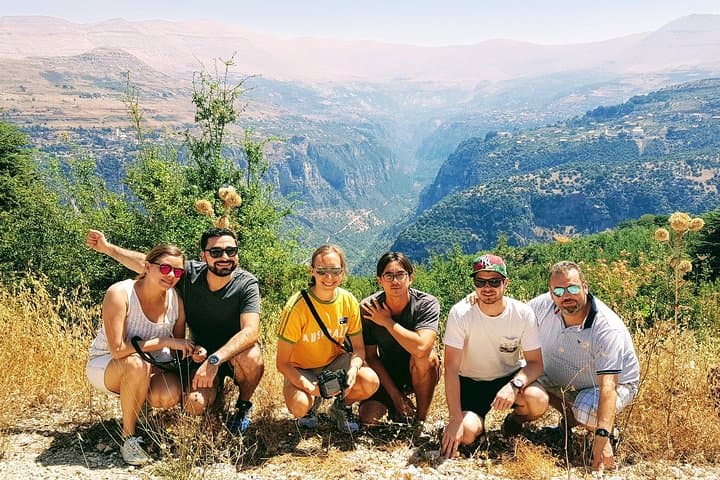
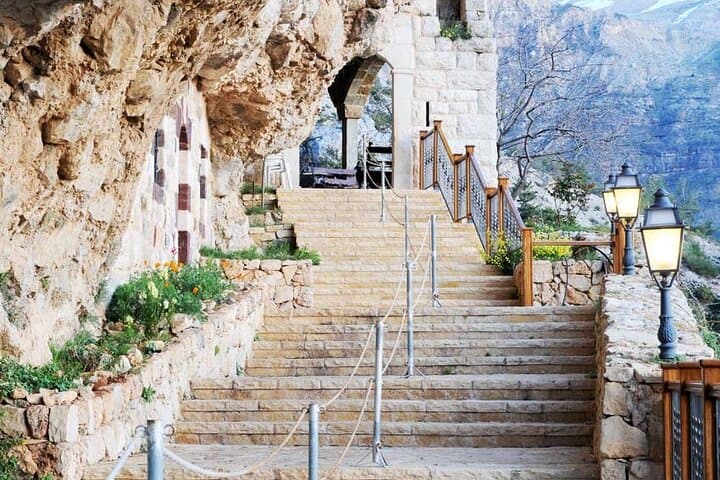
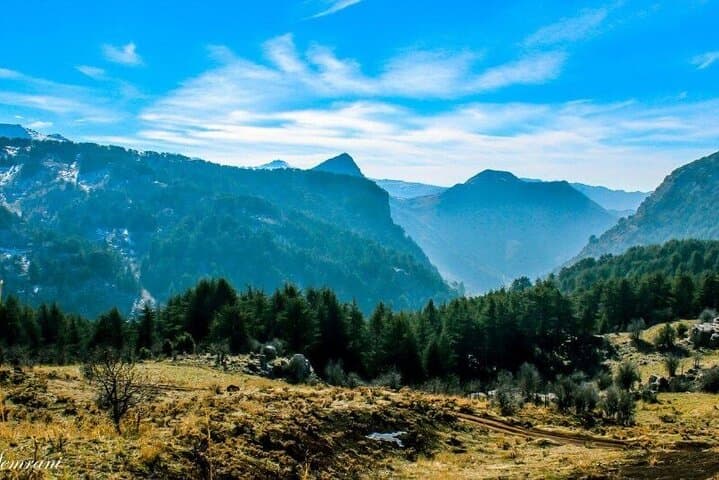
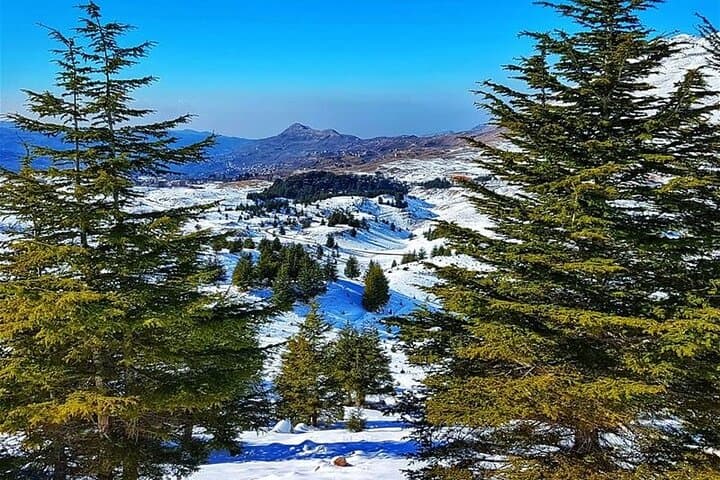
A cool wind climbs the mountains as a private vehicle leaves Beirut’s grid and fingers its way toward limestone gorges. Within an hour the road narrows, terraces and stone churches appear, and the valley opens—caves and monasteries carved into cliffs that have sheltered hermits for sixteen centuries. The tour threads through the Qadisha (Kadisha) Valley, pauses in Bcharre for the Gibran Museum, then climbs to the Forest of the Cedars of God where stubby, ancient cedars hold court over rocky slopes.
Verified experiences and guided adventures in the surrounding area.
Operated by Lebanon Tours · Bcharre, North Governorate
A cool wind climbs the mountains as a private vehicle leaves Beirut’s grid and fingers its way toward limestone gorges. Within an hour the road narrows, terraces and stone churches appear, and the valley opens—caves and monasteries carved into cliffs that have sheltered hermits for sixteen centuries. The tour threads through the Qadisha (Kadisha) Valley, pauses in Bcharre for the Gibran Museum, then climbs to the Forest of the Cedars of God where stubby, ancient cedars hold court over rocky slopes.
Qadisha Valley is one of the oldest monastic landscapes in the world; early Christians retreated here to build hermitages and small monasteries hewn from the cliff face. Geologically the valley is carved from Jurassic limestone, with steep-sided canyons, karst caves, and terraces that record centuries of shepherding and orchard cultivation. Culturally, Bcharre is tight-knit and proud—church bells, local cheese, and references to Kahlil Gibran mark town life. The cedars themselves are a national symbol, cited repeatedly in historical texts and carefully managed as a remnant of a once-vast forest.
Practical guidance: expect a mostly vehicle-based day with multiple short walks (15–45 minutes) on uneven stone paths and boardwalks. Bring layers, sun protection, and sturdy shoes; winter brings snow and reduced access. The tour includes entrance fees, lunch, and pickup—confirm exact pickup location and mobility needs at booking. Respect monastery rules (quiet, modest dress) and stay on marked tracks to protect fragile terraces and trees. This route rewards travelers who want concentrated cultural history, dramatic geology, and a close look at Lebanon’s iconic cedars in a single, well-paced day.
easy.
8 hours.
Suitable for most fitness levels—primarily a driving tour with short, mostly easy walks on uneven terrain.
The tour is approximately 8 hours and typically includes private transport, entrance fees, lunch, a tour leader, and hotel pickup/drop-off as detailed at booking.
Yes—the itinerary notes it is physically easy; most stops involve short walks, but steep steps at some monasteries may be challenging for limited mobility.
Yes; the tour price generally covers entrance fees, including the Gibran Museum and the Cedar grove where applicable—confirm specifics with the operator.
Spring and fall offer mild temperatures and clearer trails; winters can have snow at higher elevations which affects access, while summer is warmer and drier.
Qadisha Valley hosted early Christian monastic communities from late antiquity, and the Cedars of God are one of Lebanon’s oldest living forests, frequently mentioned in historical texts and the Bible.
The valley and cedar grove are protected sites (UNESCO-listed areas nearby); visitors should stick to marked paths, avoid picking vegetation, and follow local guidance to limit erosion and tree damage.
Lebanon Tours operates guided outdoor trips and adventures with an emphasis on safety, stewardship, and memorable experiences.
A cool wind climbs the mountains as a private vehicle leaves Beirut’s grid and fingers its way toward limestone gorges. Within an hour the road narrows, terraces and stone churches appear, and the valley opens—caves and monasteries carved into cliffs that have sheltered hermits for sixteen centuries. The tour threads through the Qadisha (Kadisha) Valley, pauses in Bcharre for the Gibran Museum, then climbs to the Forest of the Cedars of God where stubby, ancient cedars hold court over rocky slopes.
A cool wind climbs the mountains as a private vehicle leaves Beirut’s grid and fingers its way toward limestone gorges. Within an hour the road narrows, terraces and stone churches appear, and the valley opens—caves and monasteries carved into cliffs that have sheltered hermits for sixteen centuries. The tour threads through the Qadisha (Kadisha) Valley, pauses in Bcharre for the Gibran Museum, then climbs to the Forest of the Cedars of God where stubby, ancient cedars hold court over rocky slopes.
Qadisha Valley is one of the oldest monastic landscapes in the world; early Christians retreated here to build hermitages and small monasteries hewn from the cliff face. Geologically the valley is carved from Jurassic limestone, with steep-sided canyons, karst caves, and terraces that record centuries of shepherding and orchard cultivation. Culturally, Bcharre is tight-knit and proud—church bells, local cheese, and references to Kahlil Gibran mark town life. The cedars themselves are a national symbol, cited repeatedly in historical texts and carefully managed as a remnant of a once-vast forest.
Practical guidance: expect a mostly vehicle-based day with multiple short walks (15–45 minutes) on uneven stone paths and boardwalks. Bring layers, sun protection, and sturdy shoes; winter brings snow and reduced access. The tour includes entrance fees, lunch, and pickup—confirm exact pickup location and mobility needs at booking. Respect monastery rules (quiet, modest dress) and stay on marked tracks to protect fragile terraces and trees. This route rewards travelers who want concentrated cultural history, dramatic geology, and a close look at Lebanon’s iconic cedars in a single, well-paced day.