THE ADVENTURE COLLECTIVE® · Independent discovery and booking for outdoor travel

Escape Barcelona for an 11‑hour private excursion into the Catalan Pyrenees. Visit Vic and Ripoll, ride the rack railway from Queralbs into Núria, and choose from hiking, horseback riding or boating amid alpine scenery.
Escape Barcelona for an 11‑hour private excursion into the Catalan Pyrenees. Visit Vic and Ripoll, ride the rack railway from Queralbs into Núria, and choose from hiking, horseback riding or boating amid alpine scenery.
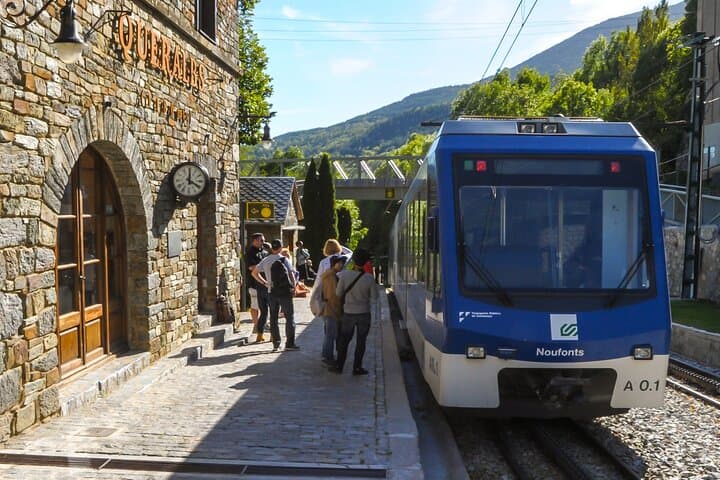
You leave Barcelona's stone and glass behind and climb into air that sharpens the mind: the road threads past Montseny biosphere slopes before opening into the cleft of the Pyrenees. By mid-morning the minivan drops you in Queralbs (1,236 m), a compact stone village whose church and narrow lanes feel built to slow you down.
Verified experiences and guided adventures in the surrounding area.
Operated by Explore Catalunya · Queralbs, Catalonia
You leave Barcelona's stone and glass behind and climb into air that sharpens the mind: the road threads past Montseny biosphere slopes before opening into the cleft of the Pyrenees. By mid-morning the minivan drops you in Queralbs (1,236 m), a compact stone village whose church and narrow lanes feel built to slow you down.
The Pyrenees are a youngish fold of limestone and granite, carved by ice and river over millennia. Ripoll’s Romanesque monastery, founded in 879 by Wilfred the Hairy, anchors the human story here—monks, shepherds and mountain carpenters left marks on the valleys long before tourism arrived. Geologically, valleys funnel weather and wildlife; raptors use thermal lifts while streams hustle down to the lakes.
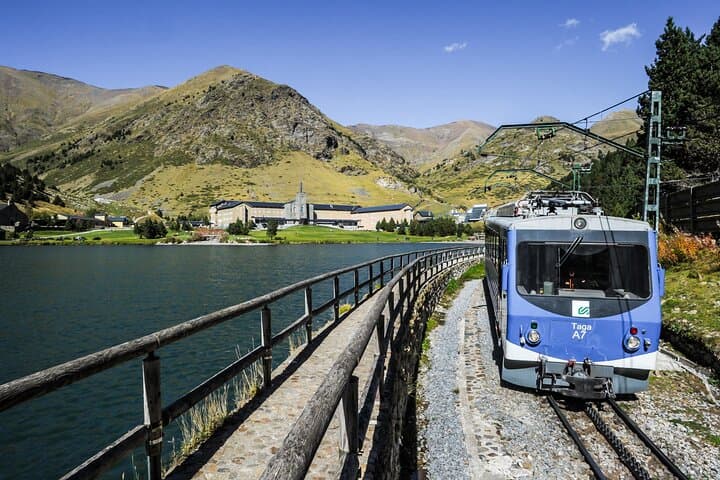
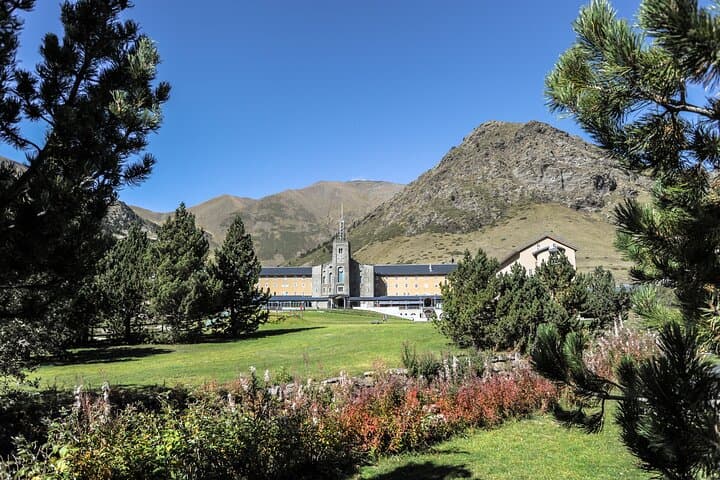
From Queralbs a rack railway (seasonal maintenance in November) nudges you up to the high basin of Núria, where trails fan out to Coma de la Vaca refuge at roughly 2,000 m. Options are flexible: short lakeside walks, horseback outings, boating on the glacial lake or pushing for higher vistas. Nature here has a driven, physical presence—the forest will close in or throw you out to a wind-scoured ridge.
Practical edge: this is an 11-hour private excursion with hotel pickup. Expect 2–2.5 hours’ travel each way; temperatures will be several degrees cooler than Barcelona and can shift quickly. Bring layers, sun protection, sturdy footwear and water. If you plan to hike to refuges, allow for uneven terrain and basic altitude gain of several hundred metres. Communicate interests to your guide in advance to tailor the day—history, fauna-spotting or a gentle lakeside afternoon are all possible.
moderate.
11 hours (full day).
Suitable for most travelers; moderate fitness recommended if you plan hikes to higher refuges or longer trails
Expect roughly 2–2.5 hours each way depending on traffic and exact stops; the overall tour is about 11 hours.
No—there is annual maintenance (often in November) when the railway may be closed on weekdays; the operator provides road alternatives then.
The tour is family‑friendly and stroller accessible in some parts, but it's not recommended for children aged 4 and under for safety and activity limitations.
No—short lakeside walks are easy, but ascending to refuges like Coma de la Vaca requires reasonable fitness and steady footing.
Ripoll’s monastery, founded in 879 by Wilfred the Hairy, was a medieval cultural hub and remains a key Romanesque site in Catalonia.
The Pyrenees include protected parks and biosphere areas—stick to trails, pack out waste and respect grazing regimes to minimize impact.
Explore Catalunya operates guided outdoor trips and adventures with an emphasis on safety, stewardship, and memorable experiences.
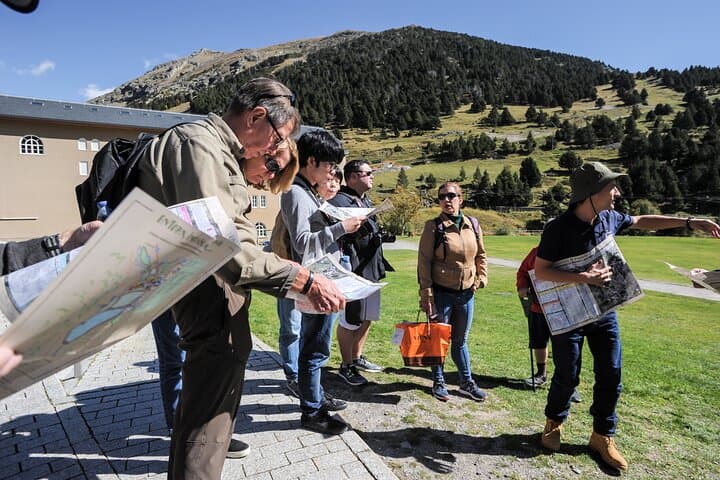
You leave Barcelona's stone and glass behind and climb into air that sharpens the mind: the road threads past Montseny biosphere slopes before opening into the cleft of the Pyrenees. By mid-morning the minivan drops you in Queralbs (1,236 m), a compact stone village whose church and narrow lanes feel built to slow you down.
You leave Barcelona's stone and glass behind and climb into air that sharpens the mind: the road threads past Montseny biosphere slopes before opening into the cleft of the Pyrenees. By mid-morning the minivan drops you in Queralbs (1,236 m), a compact stone village whose church and narrow lanes feel built to slow you down.
The Pyrenees are a youngish fold of limestone and granite, carved by ice and river over millennia. Ripoll’s Romanesque monastery, founded in 879 by Wilfred the Hairy, anchors the human story here—monks, shepherds and mountain carpenters left marks on the valleys long before tourism arrived. Geologically, valleys funnel weather and wildlife; raptors use thermal lifts while streams hustle down to the lakes.
From Queralbs a rack railway (seasonal maintenance in November) nudges you up to the high basin of Núria, where trails fan out to Coma de la Vaca refuge at roughly 2,000 m. Options are flexible: short lakeside walks, horseback outings, boating on the glacial lake or pushing for higher vistas. Nature here has a driven, physical presence—the forest will close in or throw you out to a wind-scoured ridge.
Practical edge: this is an 11-hour private excursion with hotel pickup. Expect 2–2.5 hours’ travel each way; temperatures will be several degrees cooler than Barcelona and can shift quickly. Bring layers, sun protection, sturdy footwear and water. If you plan to hike to refuges, allow for uneven terrain and basic altitude gain of several hundred metres. Communicate interests to your guide in advance to tailor the day—history, fauna-spotting or a gentle lakeside afternoon are all possible.