THE ADVENTURE COLLECTIVE® · Independent discovery and booking for outdoor travel

Explore the Pyramids of Giza with a private Egyptologist, skip-the-line access, a camel ride, and lunch—perfect for photographers and history lovers who want a focused, flexible visit. Learn where to go, what to bring, and how to make the most of five hours on the plateau.
Explore the Pyramids of Giza with a private Egyptologist, skip-the-line access, a camel ride, and lunch—perfect for photographers and history lovers who want a focused, flexible visit. Learn where to go, what to bring, and how to make the most of five hours on the plateau.
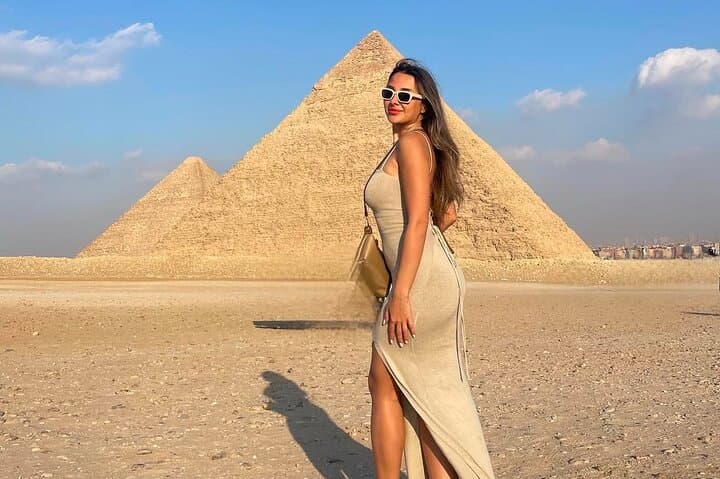
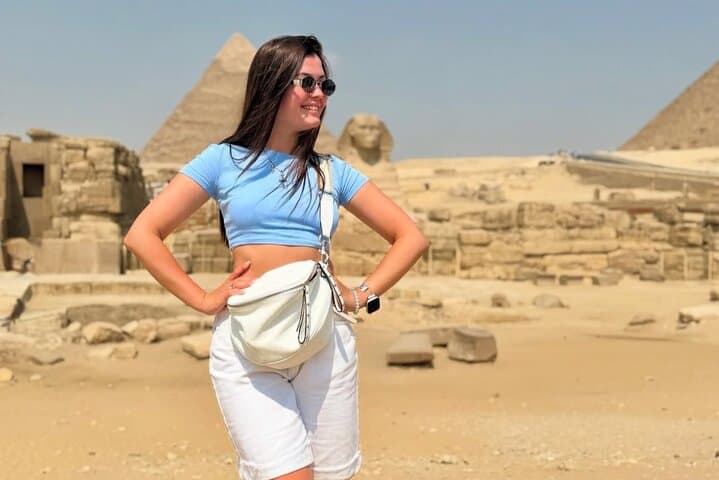
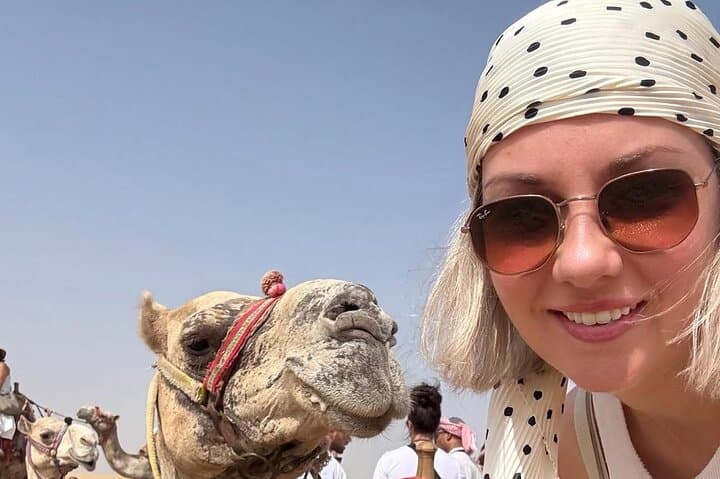
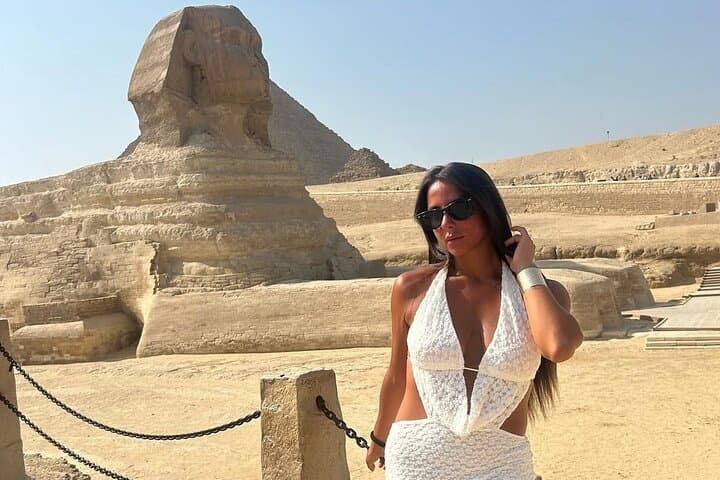
You step from an air-conditioned car into a wide sweep of sun and stone: the Giza Plateau stretches with low dunes, the pyramids rising like measured breaths of the past. Wind pushes at your scarf, the desert daring you forward; camels shift and scent the air as the Great Pyramid dominates the horizon.
Verified experiences and guided adventures in the surrounding area.
Operated by Siwa Travel Egypt · Giza, Cairo Governorate
You step from an air-conditioned car into a wide sweep of sun and stone: the Giza Plateau stretches with low dunes, the pyramids rising like measured breaths of the past. Wind pushes at your scarf, the desert daring you forward; camels shift and scent the air as the Great Pyramid dominates the horizon.
Built around 2500 BCE during Egypt's Fourth Dynasty, these structures are compact lessons in engineering—limestone and granite blocks laid with precision that still puzzles architects. The plateau holds layers of history: funerary temples, the Valley Temple of Khafre with its dressed stone, and the Solar Boat Museum that preserves an ancient cedar vessel once meant to ferry a pharaoh in the afterlife. Local guides—often Egyptologists—translate hieroglyphs into human stories of kings, laborers, and ritual.
Practicalities shape the day. Private pickup and skip-the-line access compress waiting into walking time, leaving room for a panoramic photo stop and a gentle camel ride across the sands. Lunch options vary from simple local fare to a fuller meal at a nearby restaurant; bottled water and shade breaks are essential. Dress modestly and in breathable layers: sun, sand, and sudden gusts demand sun protection and secure footwear. Expect flat walking surfaces around the main monuments but loose sand near the camels.
Respect rules: don’t climb the pyramids, stay on designated paths, and tip guides and camel handlers appropriately. Plan for early morning or late afternoon to avoid peak heat and harsh light—both better for comfort and photography. This is equal parts history lesson and desert outing: tactile, sunlit, and immediately unforgettable.
easy.
5 hours.
Suitable for travelers of average fitness; involves several short walks on level ground and some standing.
Entrance fees can be included depending on the option you book; confirm at checkout whether the Giza Plateau and optional internal pyramid access are covered.
Yes—camel rides are offered as an option in the all-inclusive package; confirm in advance to reserve one and understand the additional fee and tipping expectations.
The tour lists wheelchair-accessible options for transport and some areas, but the plateau has uneven and sandy areas—check accessibility needs with the operator beforehand.
Handheld cameras and phones are fine; tripods and professional setups may be restricted in certain areas—ask your guide and plan for light, portable gear.
The three major pyramids were constructed during Egypt's Fourth Dynasty (c. 2600–2500 BCE) as monumental tombs for pharaohs Khufu, Khafre, and Menkaure.
Visitor pressure and wind-driven sand can erode ancient stone; stick to marked paths, avoid touching carved surfaces, and support operators who follow local conservation guidelines.
Siwa Travel Egypt operates guided outdoor trips and adventures with an emphasis on safety, stewardship, and memorable experiences.
You step from an air-conditioned car into a wide sweep of sun and stone: the Giza Plateau stretches with low dunes, the pyramids rising like measured breaths of the past. Wind pushes at your scarf, the desert daring you forward; camels shift and scent the air as the Great Pyramid dominates the horizon.
You step from an air-conditioned car into a wide sweep of sun and stone: the Giza Plateau stretches with low dunes, the pyramids rising like measured breaths of the past. Wind pushes at your scarf, the desert daring you forward; camels shift and scent the air as the Great Pyramid dominates the horizon.
Built around 2500 BCE during Egypt's Fourth Dynasty, these structures are compact lessons in engineering—limestone and granite blocks laid with precision that still puzzles architects. The plateau holds layers of history: funerary temples, the Valley Temple of Khafre with its dressed stone, and the Solar Boat Museum that preserves an ancient cedar vessel once meant to ferry a pharaoh in the afterlife. Local guides—often Egyptologists—translate hieroglyphs into human stories of kings, laborers, and ritual.
Practicalities shape the day. Private pickup and skip-the-line access compress waiting into walking time, leaving room for a panoramic photo stop and a gentle camel ride across the sands. Lunch options vary from simple local fare to a fuller meal at a nearby restaurant; bottled water and shade breaks are essential. Dress modestly and in breathable layers: sun, sand, and sudden gusts demand sun protection and secure footwear. Expect flat walking surfaces around the main monuments but loose sand near the camels.
Respect rules: don’t climb the pyramids, stay on designated paths, and tip guides and camel handlers appropriately. Plan for early morning or late afternoon to avoid peak heat and harsh light—both better for comfort and photography. This is equal parts history lesson and desert outing: tactile, sunlit, and immediately unforgettable.