THE ADVENTURE COLLECTIVE® · Independent discovery and booking for outdoor travel

Spend a private day moving from the monumental Giza Plateau to the climate-controlled galleries of NMEC, then weave through the spice-scented lanes of Khan el-Khalili. This 7–8 hour tour balances archaeology, museum context and market life with local logistics handled for you.
Spend a private day moving from the monumental Giza Plateau to the climate-controlled galleries of NMEC, then weave through the spice-scented lanes of Khan el-Khalili. This 7–8 hour tour balances archaeology, museum context and market life with local logistics handled for you.
You step out of the air-conditioned van into a sun-bleached plain where stone blocks older than most nations hold the horizon. The Giza Plateau opens like a measured challenge: angles and ramps that once rose from limestone bedrock now frame the Great Pyramid and the watchful Sphinx. Your private Egyptologist guides the group through scale, purpose and construction—pointing to quarry scars and explaining how casing stones once caught the sun.
Verified experiences and guided adventures in the surrounding area.
Operated by Egyway Tours · Giza, Cairo Governorate
You step out of the air-conditioned van into a sun-bleached plain where stone blocks older than most nations hold the horizon. The Giza Plateau opens like a measured challenge: angles and ramps that once rose from limestone bedrock now frame the Great Pyramid and the watchful Sphinx. Your private Egyptologist guides the group through scale, purpose and construction—pointing to quarry scars and explaining how casing stones once caught the sun.
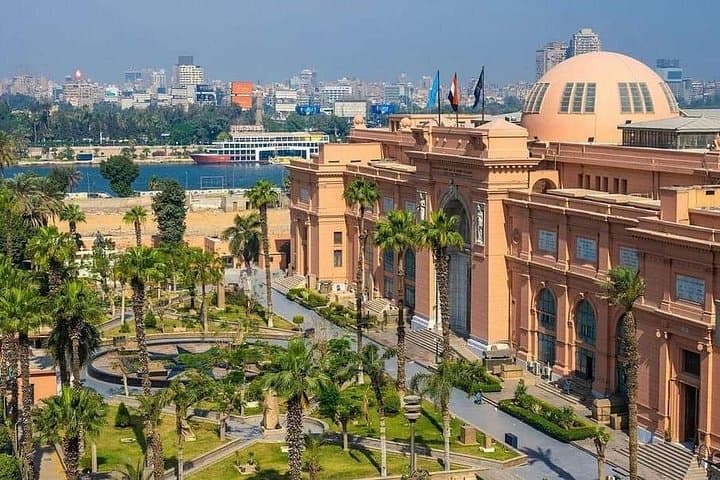
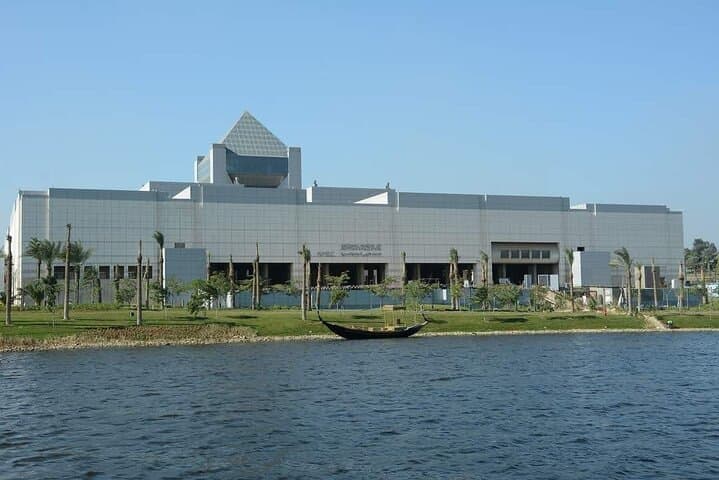
Later, the day pivots to modern museum practice at the National Museum of Egyptian Civilization (NMEC), where climate-controlled galleries and the Royal Mummies Hall recontextualize pharaonic ritual for a 21st-century audience. The narrative thread continues into Khan el-Khalili, the narrow alleys of Islamic Cairo where copper lamps and spice stalls trade in smell and sound, and El-Fishawi café still pours coffee exactly the same way it did decades ago.
Practicalities shape the flow: expect a 7–8 hour day with hotel pickup and drop-off, short walks on uneven stone and paved streets, and optional camel rides at the plateau. Wear sturdy closed-toe shoes for the sands and ramps, sun protection for prolonged exposure, and bring small bills for tips and quick purchases. The itinerary is physically easy but sensory-dense—plan comfortable pacing and drink plenty of water. If you want interior access to the Great Pyramid or the NMEC Royal Mummies gallery, check ticket inclusions in advance; both can be restricted or limited by crowd control. Timing your visit for early morning or late afternoon reduces heat and improves light for photos, while a knowledgeable guide will turn dense history into clear, navigable stories.
easy.
7–8 hours.
Suitable for most fitness levels; involves walking on uneven surfaces and short climbs over rocky ground.
Interior access is sometimes available but may require an additional ticket or be limited by site regulations; confirm with the operator before booking.
This tour description includes entrance tickets and a local lunch; verify whether any special exhibits require extra fees.
Yes—this private tour accommodates families; infants are typically required to sit on an adult’s lap and children must be supervised.
The operator allows adjustments for delays up to one hour; notify them as soon as possible to coordinate pickup changes.
The Giza pyramids date to the Fourth Dynasty (around 2580–2560 BCE for Khufu’s Great Pyramid); NMEC now houses the Royal Mummies Gallery, consolidating centuries of Egyptian funerary history under modern conservation practices.
High visitor numbers and wind erosion threaten exposed limestone and surrounding dunes; follow marked paths, avoid touching fragile masonry and support museums that fund preservation and climate-controlled displays.
Egyway Tours operates guided outdoor trips and adventures with an emphasis on safety, stewardship, and memorable experiences.
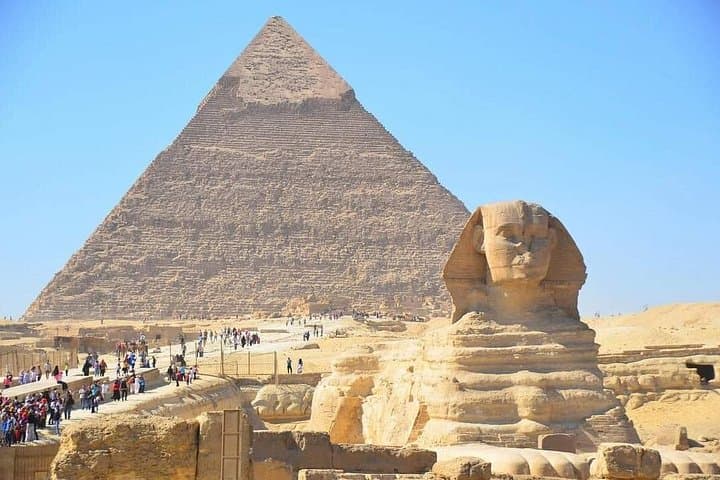
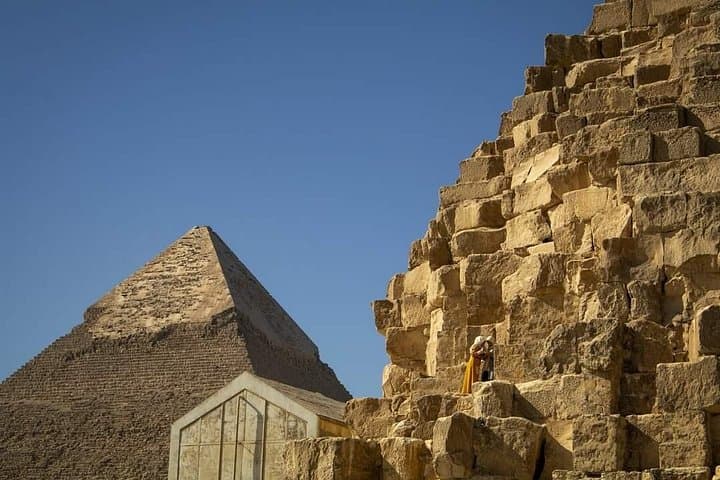
You step out of the air-conditioned van into a sun-bleached plain where stone blocks older than most nations hold the horizon. The Giza Plateau opens like a measured challenge: angles and ramps that once rose from limestone bedrock now frame the Great Pyramid and the watchful Sphinx. Your private Egyptologist guides the group through scale, purpose and construction—pointing to quarry scars and explaining how casing stones once caught the sun.
You step out of the air-conditioned van into a sun-bleached plain where stone blocks older than most nations hold the horizon. The Giza Plateau opens like a measured challenge: angles and ramps that once rose from limestone bedrock now frame the Great Pyramid and the watchful Sphinx. Your private Egyptologist guides the group through scale, purpose and construction—pointing to quarry scars and explaining how casing stones once caught the sun.
Later, the day pivots to modern museum practice at the National Museum of Egyptian Civilization (NMEC), where climate-controlled galleries and the Royal Mummies Hall recontextualize pharaonic ritual for a 21st-century audience. The narrative thread continues into Khan el-Khalili, the narrow alleys of Islamic Cairo where copper lamps and spice stalls trade in smell and sound, and El-Fishawi café still pours coffee exactly the same way it did decades ago.
Practicalities shape the flow: expect a 7–8 hour day with hotel pickup and drop-off, short walks on uneven stone and paved streets, and optional camel rides at the plateau. Wear sturdy closed-toe shoes for the sands and ramps, sun protection for prolonged exposure, and bring small bills for tips and quick purchases. The itinerary is physically easy but sensory-dense—plan comfortable pacing and drink plenty of water. If you want interior access to the Great Pyramid or the NMEC Royal Mummies gallery, check ticket inclusions in advance; both can be restricted or limited by crowd control. Timing your visit for early morning or late afternoon reduces heat and improves light for photos, while a knowledgeable guide will turn dense history into clear, navigable stories.