THE ADVENTURE COLLECTIVE® · Independent discovery and booking for outdoor travel

Spend a private full day tracking pumas, guanacos, condors and foxes in Torres del Paine. This guide outlines what to expect — terrain, wildlife odds, and the practical gear and timing that improve your chances of seeing Patagonia’s emblematic animals.
Spend a private full day tracking pumas, guanacos, condors and foxes in Torres del Paine. This guide outlines what to expect — terrain, wildlife odds, and the practical gear and timing that improve your chances of seeing Patagonia’s emblematic animals.
The wind hits first — hollow and impatient — pushing you across the open Patagonian steppe as the park’s granite spires slide into view. On a private wildlife day in Torres del Paine you trade congested trails for long sightlines: low tussock grass, scattered lenga forest, and a horizon cut by the sharp profiles of the Torres and the Cuernos. Condors wheel with an old-world patience while guanacos browse the steppe, and the landscape seems to watch you back.
Verified experiences and guided adventures in the surrounding area.
Operated by kali travels and adventures · Puerto Natales, Magallanes
The wind hits first — hollow and impatient — pushing you across the open Patagonian steppe as the park’s granite spires slide into view. On a private wildlife day in Torres del Paine you trade congested trails for long sightlines: low tussock grass, scattered lenga forest, and a horizon cut by the sharp profiles of the Torres and the Cuernos. Condors wheel with an old-world patience while guanacos browse the steppe, and the landscape seems to watch you back.
Torres del Paine was set aside as a national park in 1959; its towers are the exposed roots of a long-buried granite batholith reshaped by relentless glaciation. Indigenous Tehuelche people named the massif “Paine” — commonly translated as blue — a nod to the region’s luminous light and glacial blues. Today the park is an intersection of geology, pastoral estancias, and conservation efforts protecting species from cougars to condors.
Practically: this private experience is a full-day, guide-led wildlife search across mixed terrain — gravel access roads, short uneven hikes, and viewpoint stops beside lakes and windswept ridgelines. Expect long periods of patient observation rather than strenuous ascent: most on-foot sections are short (1–5 km total) with limited elevation gain but irregular footing. Carry a telephoto lens or binoculars, dress in layered, windproof clothing, and plan for rapid weather shifts. Respect park rules: stay with your guide, keep distance from wildlife, and pack out waste. With timing, silence and a knowledgeable guide, you’ll improve your odds of a once-in-a-lifetime puma sighting and leave with images and insights that linger like the Patagonian light.
easy.
Full day (up to 24 hours).
Suitable for most fitness levels — some short walks on uneven ground and standing for long periods required
Pumas are elusive; sightings depend on timing, luck and silence. A guided, private search raises the odds but sightings are not guaranteed.
The listing requires participants be over 18; confirm age restrictions with the operator before booking.
The tour lists private transportation and a guide as inclusions; the listing also references 'feeding' — clarify with the operator whether this refers to meals before booking.
Yes — professional cameras and telephoto lenses are appropriate and recommended; bring sturdy cases and extra batteries due to cold conditions.
The park was designated a national park in 1959; its name draws from the Tehuelche word 'Paine' meaning blue, reflecting the region’s glacial hues.
Torres del Paine is managed for conservation and low-impact tourism — avoid feeding wildlife, stay on routes, and carry out all waste to protect fragile ecosystems.
kali travels and adventures operates guided outdoor trips and adventures with an emphasis on safety, stewardship, and memorable experiences.
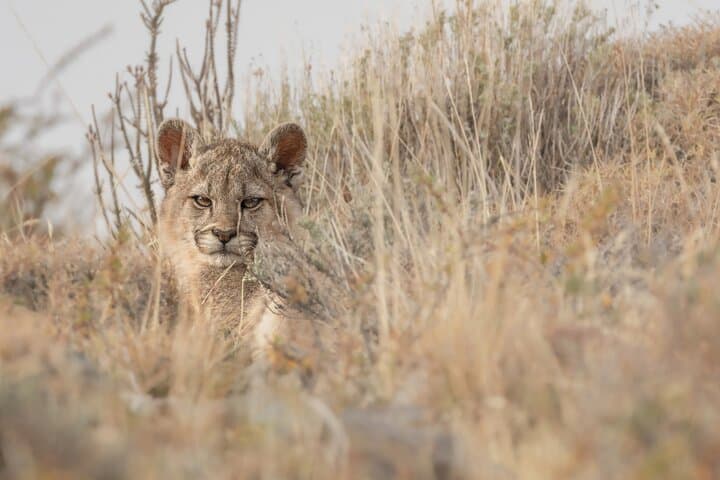
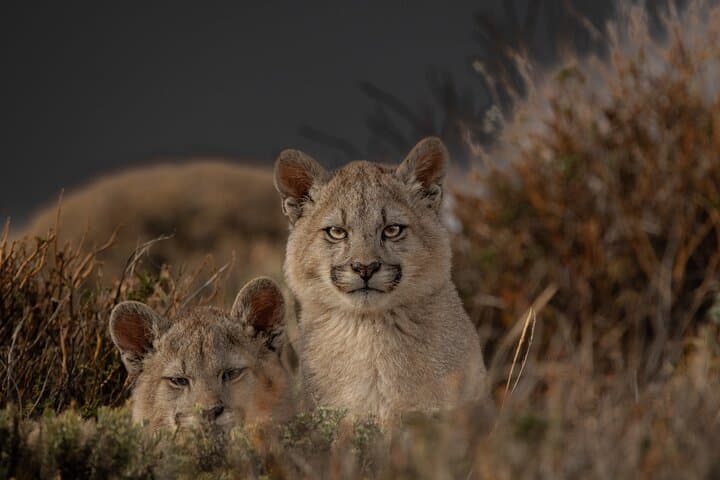
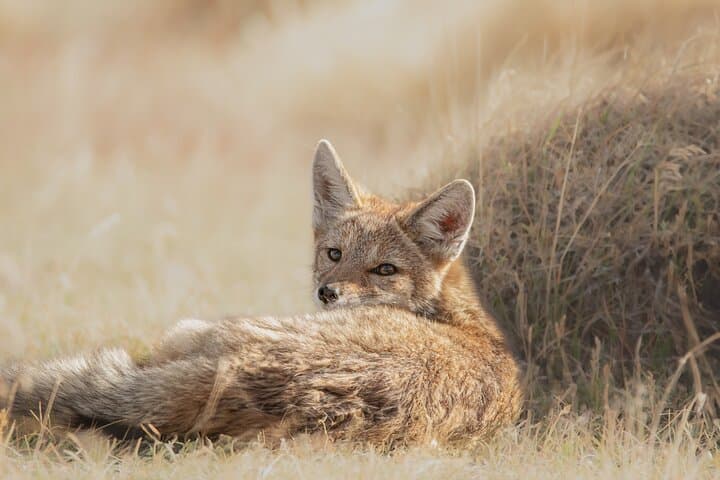
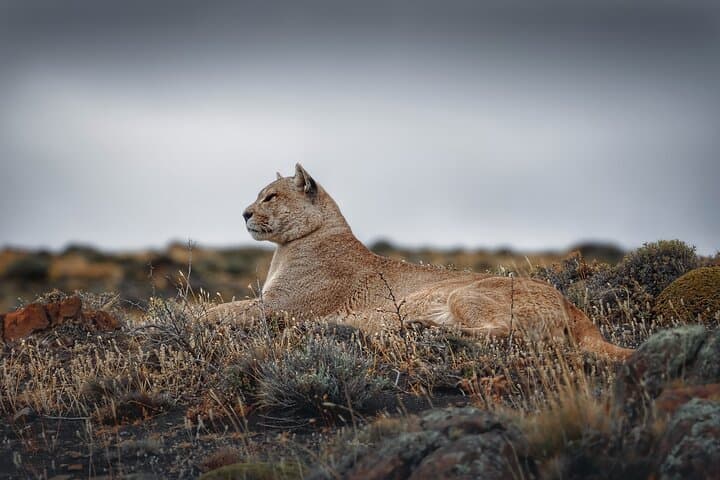
The wind hits first — hollow and impatient — pushing you across the open Patagonian steppe as the park’s granite spires slide into view. On a private wildlife day in Torres del Paine you trade congested trails for long sightlines: low tussock grass, scattered lenga forest, and a horizon cut by the sharp profiles of the Torres and the Cuernos. Condors wheel with an old-world patience while guanacos browse the steppe, and the landscape seems to watch you back.
The wind hits first — hollow and impatient — pushing you across the open Patagonian steppe as the park’s granite spires slide into view. On a private wildlife day in Torres del Paine you trade congested trails for long sightlines: low tussock grass, scattered lenga forest, and a horizon cut by the sharp profiles of the Torres and the Cuernos. Condors wheel with an old-world patience while guanacos browse the steppe, and the landscape seems to watch you back.
Torres del Paine was set aside as a national park in 1959; its towers are the exposed roots of a long-buried granite batholith reshaped by relentless glaciation. Indigenous Tehuelche people named the massif “Paine” — commonly translated as blue — a nod to the region’s luminous light and glacial blues. Today the park is an intersection of geology, pastoral estancias, and conservation efforts protecting species from cougars to condors.
Practically: this private experience is a full-day, guide-led wildlife search across mixed terrain — gravel access roads, short uneven hikes, and viewpoint stops beside lakes and windswept ridgelines. Expect long periods of patient observation rather than strenuous ascent: most on-foot sections are short (1–5 km total) with limited elevation gain but irregular footing. Carry a telephoto lens or binoculars, dress in layered, windproof clothing, and plan for rapid weather shifts. Respect park rules: stay with your guide, keep distance from wildlife, and pack out waste. With timing, silence and a knowledgeable guide, you’ll improve your odds of a once-in-a-lifetime puma sighting and leave with images and insights that linger like the Patagonian light.