THE ADVENTURE COLLECTIVE® · Independent discovery and booking for outdoor travel

Walk from Old Town to New Town with a private licensed guide who reveals Prague’s architectural layers, musical history and modern landmarks. Expect cobbles, river views and sites tied to both medieval and 20th‑century history.
Walk from Old Town to New Town with a private licensed guide who reveals Prague’s architectural layers, musical history and modern landmarks. Expect cobbles, river views and sites tied to both medieval and 20th‑century history.
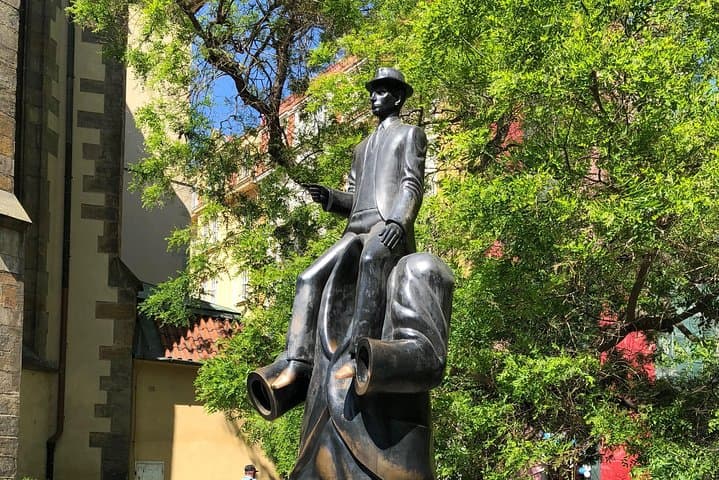
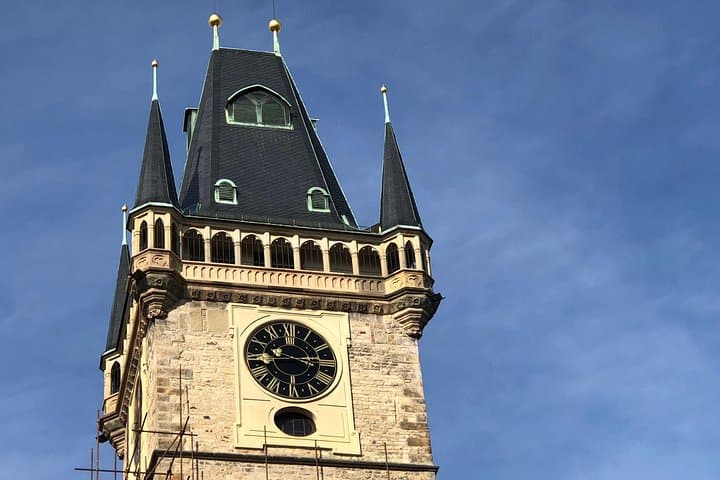
You step out from a narrow lane and the square opens — cobbles underfoot, church towers slicing the sky and the Astronomical Clock ticking its patient hours. The Vltava murmurs nearby and the city’s layers unfold: medieval streets, Habsburg facades, and wide boulevards cut through 19th‑century New Town. A licensed guide leads the way, pointing at carved stone, hidden courtyards and the small details that make Prague legible.
Verified experiences and guided adventures in the surrounding area.
Operated by Jana - Thomas Gluchman - Prague Journeys · Prague, Prague
You step out from a narrow lane and the square opens — cobbles underfoot, church towers slicing the sky and the Astronomical Clock ticking its patient hours. The Vltava murmurs nearby and the city’s layers unfold: medieval streets, Habsburg facades, and wide boulevards cut through 19th‑century New Town. A licensed guide leads the way, pointing at carved stone, hidden courtyards and the small details that make Prague legible.
Prague’s Old Town (Staré Město) grew around medieval trade routes and the Old Town Hall’s clock remains a civic anchor; New Town (Nové Město) was founded by Charles IV in the 14th century as an ambitious urban expansion. The city sits along the Vltava valley with bridges that have connected differing eras and styles — Gothic, Baroque and Neo‑Renaissance — while its cultural life has been shaped by composers from Mozart’s visits to 20th‑century political moments like the Velvet Revolution.
On this 3–4 hour private walk you'll move over uneven pavement and occasional stairs, passing the Powder Gate, Charles University buildings and quiet sections of the former Jewish quarter. The guide can explain how to read the Astronomical Clock, point out theatres where famous compositions premiered and show sites tied to Prague’s modern history.
Practical: wear sturdy shoes for cobbles and short stair sections, bring a lightweight rain jacket, and carry water — cafés are frequent but queues build in high season. Start early to avoid crowds at the main squares; ask your guide for nearby quieter viewpoints of the river and for a night‑music recommendation if you want an evening plan.
moderate.
3–4 hours.
Good for travelers who can walk 3–5 miles at a steady pace and manage short stair sections; not suitable for those with serious mobility issues.
The private tour lasts about 3–4 hours and covers several kilometers on mainly flat but cobbled streets with occasional stairs.
This tour walks through the former Jewish quarter but does not include entrance to synagogues or museums—those require separate tickets and extra time.
Yes—licensed guides typically adapt highlights to focus more on musical heritage, Czech 20th‑century history or architectural details upon request.
Meeting location is confirmed after booking; full refunds are available if cancelled at least 24 hours before the scheduled departure.
Old Town and New Town reflect Prague’s medieval expansion under Charles IV and later civic growth; several square frontages witnessed key moments during the 20th‑century Velvet Revolution.
Walking tours keep visitor impact low—support licensed guides and local cafés, avoid littering historic sites and stick to marked streets to protect fragile paving and heritage façades.
Jana - Thomas Gluchman - Prague Journeys operates guided outdoor trips and adventures with an emphasis on safety, stewardship, and memorable experiences.
You step out from a narrow lane and the square opens — cobbles underfoot, church towers slicing the sky and the Astronomical Clock ticking its patient hours. The Vltava murmurs nearby and the city’s layers unfold: medieval streets, Habsburg facades, and wide boulevards cut through 19th‑century New Town. A licensed guide leads the way, pointing at carved stone, hidden courtyards and the small details that make Prague legible.
You step out from a narrow lane and the square opens — cobbles underfoot, church towers slicing the sky and the Astronomical Clock ticking its patient hours. The Vltava murmurs nearby and the city’s layers unfold: medieval streets, Habsburg facades, and wide boulevards cut through 19th‑century New Town. A licensed guide leads the way, pointing at carved stone, hidden courtyards and the small details that make Prague legible.
Prague’s Old Town (Staré Město) grew around medieval trade routes and the Old Town Hall’s clock remains a civic anchor; New Town (Nové Město) was founded by Charles IV in the 14th century as an ambitious urban expansion. The city sits along the Vltava valley with bridges that have connected differing eras and styles — Gothic, Baroque and Neo‑Renaissance — while its cultural life has been shaped by composers from Mozart’s visits to 20th‑century political moments like the Velvet Revolution.
On this 3–4 hour private walk you'll move over uneven pavement and occasional stairs, passing the Powder Gate, Charles University buildings and quiet sections of the former Jewish quarter. The guide can explain how to read the Astronomical Clock, point out theatres where famous compositions premiered and show sites tied to Prague’s modern history.
Practical: wear sturdy shoes for cobbles and short stair sections, bring a lightweight rain jacket, and carry water — cafés are frequent but queues build in high season. Start early to avoid crowds at the main squares; ask your guide for nearby quieter viewpoints of the river and for a night‑music recommendation if you want an evening plan.