THE ADVENTURE COLLECTIVE® · Independent discovery and booking for outdoor travel

Enter Prague Castle through a quieter gate, follow a tailored 3-hour private route past St. Vitus Cathedral, Golden Lane and Vladislav Hall, and finish in the royal gardens with wide city views. This private afternoon tour minimizes crowds and includes admission and local transport when needed.
Enter Prague Castle through a quieter gate, follow a tailored 3-hour private route past St. Vitus Cathedral, Golden Lane and Vladislav Hall, and finish in the royal gardens with wide city views. This private afternoon tour minimizes crowds and includes admission and local transport when needed.
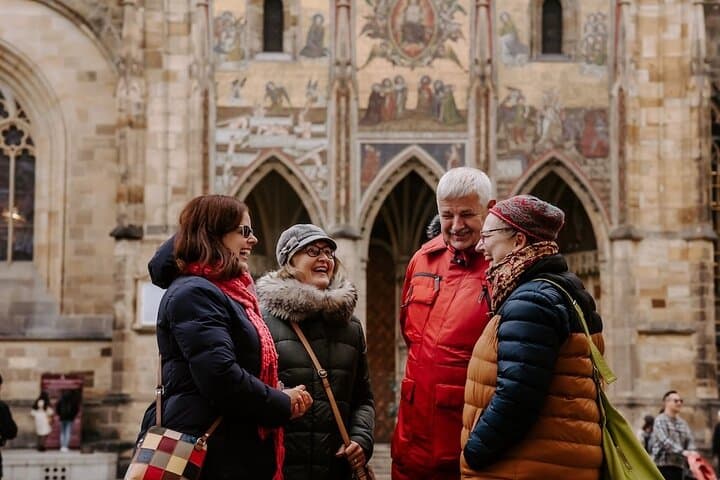
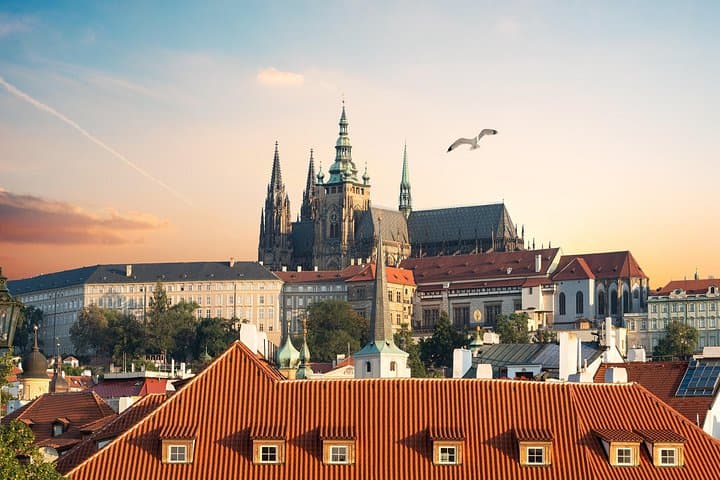
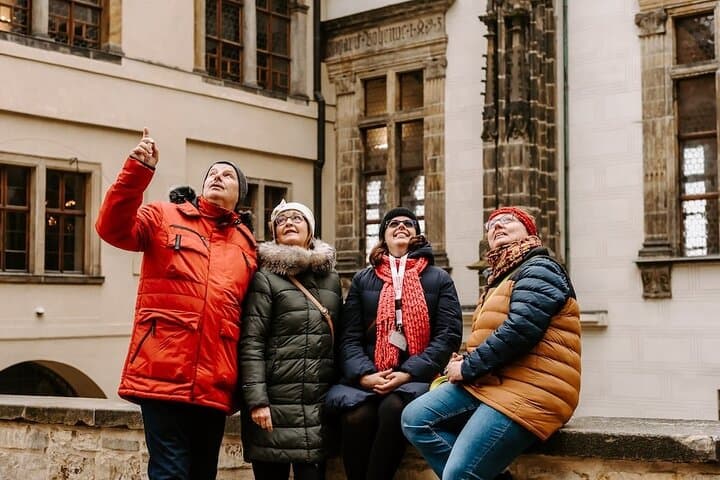
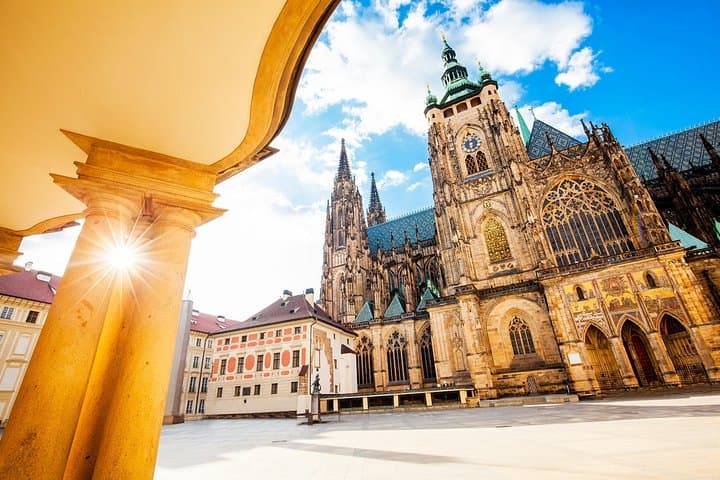
A narrow cobblestone lane opens into a quieter flank of Prague Castle; the guide slips a small gate and the city’s bustle recedes to muffled voices and the clack of tourist cameras. Afternoon light gilds the cathedral’s flying buttresses while rooftops cascade red toward the Vltava — this is the rhythm of the castle when you arrive through a lesser-used entrance.
Verified experiences and guided adventures in the surrounding area.
Operated by Prague City Adventures · Prague, Prague
A narrow cobblestone lane opens into a quieter flank of Prague Castle; the guide slips a small gate and the city’s bustle recedes to muffled voices and the clack of tourist cameras. Afternoon light gilds the cathedral’s flying buttresses while rooftops cascade red toward the Vltava — this is the rhythm of the castle when you arrive through a lesser-used entrance.
The complex itself spans centuries: Romanesque foundations give way to Gothic vaulting in St. Vitus, and the Old Royal Palace carries late-medieval political theatre in the Vladislav Hall where rulers once rode horses indoors. Golden Lane’s tiny colored houses recall alchemists, guards, and Kafka’s footnotes, while the royal gardens offer sweeping viewpoints that have framed Prague’s skyline for generations.
Culturally the castle is both a seat of state and a public stage — coronation site, religious center and, in the 20th century, a symbol in modern Czech identity. Geology is subtle here: the hill sits on compacted river terrace deposits above the Vltava, giving those outlooks their height and permanence.
Practically: expect a three-hour private walking itinerary with admission (St. Vitus, Golden Lane, Old Royal Palace included), moderate staircases, and uneven cobbles. The tour provides local transport tickets and hotel pickup if needed. Dress modestly for interiors, wear grippy shoes, and plan for afternoon bookings to avoid crowds and catch golden-hour views. Ask the guide about quieter garden benches for photos and sample routes that can be shortened for mobility needs. With a focused local guide, the castle becomes a place of stories as much as stone.
easy.
3 hours.
Suitable for most fitness levels—requires walking on cobbles and some stair climbing
Yes — the private tour includes admission to the key sites listed such as St. Vitus Cathedral, Golden Lane and the Old Royal Palace.
The route includes stairs and uneven cobbles; the operator can adapt the itinerary if informed in advance, but full wheelchair access is limited.
This is a private tour tailored to your group size; confirm guest limits with the operator at booking.
Public transport tickets and central hotel pickup are offered if needed, so you can arrive like a local without worrying about connections.
Prague Castle developed from a 9th–10th century fortified settlement into the world’s largest castle complex, evolving through Romanesque, Gothic and Baroque phases tied closely to Czech national history.
High visitor volumes are managed with timed admissions and guided routing; visitors are urged to stay on paths, avoid feeding wildlife, and respect historic interiors to reduce wear.
Prague City Adventures operates guided outdoor trips and adventures with an emphasis on safety, stewardship, and memorable experiences.
A narrow cobblestone lane opens into a quieter flank of Prague Castle; the guide slips a small gate and the city’s bustle recedes to muffled voices and the clack of tourist cameras. Afternoon light gilds the cathedral’s flying buttresses while rooftops cascade red toward the Vltava — this is the rhythm of the castle when you arrive through a lesser-used entrance.
A narrow cobblestone lane opens into a quieter flank of Prague Castle; the guide slips a small gate and the city’s bustle recedes to muffled voices and the clack of tourist cameras. Afternoon light gilds the cathedral’s flying buttresses while rooftops cascade red toward the Vltava — this is the rhythm of the castle when you arrive through a lesser-used entrance.
The complex itself spans centuries: Romanesque foundations give way to Gothic vaulting in St. Vitus, and the Old Royal Palace carries late-medieval political theatre in the Vladislav Hall where rulers once rode horses indoors. Golden Lane’s tiny colored houses recall alchemists, guards, and Kafka’s footnotes, while the royal gardens offer sweeping viewpoints that have framed Prague’s skyline for generations.
Culturally the castle is both a seat of state and a public stage — coronation site, religious center and, in the 20th century, a symbol in modern Czech identity. Geology is subtle here: the hill sits on compacted river terrace deposits above the Vltava, giving those outlooks their height and permanence.
Practically: expect a three-hour private walking itinerary with admission (St. Vitus, Golden Lane, Old Royal Palace included), moderate staircases, and uneven cobbles. The tour provides local transport tickets and hotel pickup if needed. Dress modestly for interiors, wear grippy shoes, and plan for afternoon bookings to avoid crowds and catch golden-hour views. Ask the guide about quieter garden benches for photos and sample routes that can be shortened for mobility needs. With a focused local guide, the castle becomes a place of stories as much as stone.