THE ADVENTURE COLLECTIVE® · Independent discovery and booking for outdoor travel

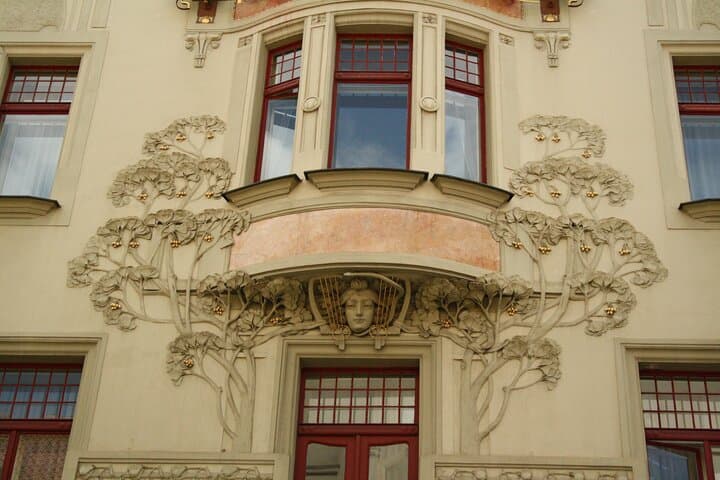
Walk Prague’s early‑20th‑century transformation from flowing Art Nouveau ornament to sharp Cubist experiments. This private 2.5‑hour tour visits the Central Train Station, Municipal House and the House at the Black Madonna with a local guide.
Walk Prague’s early‑20th‑century transformation from flowing Art Nouveau ornament to sharp Cubist experiments. This private 2.5‑hour tour visits the Central Train Station, Municipal House and the House at the Black Madonna with a local guide.
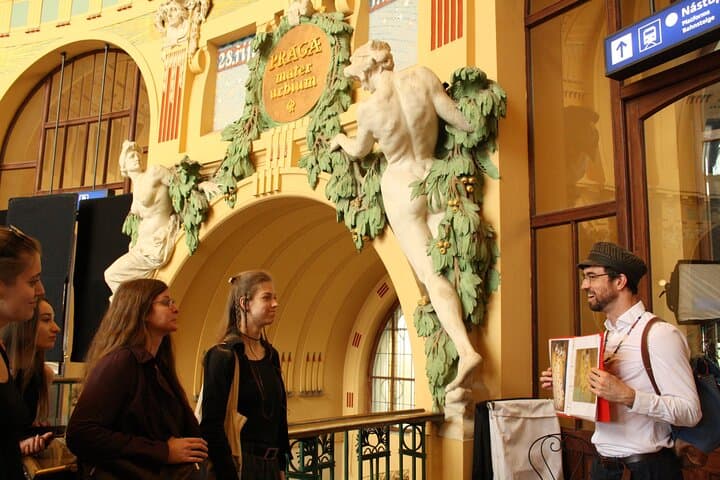
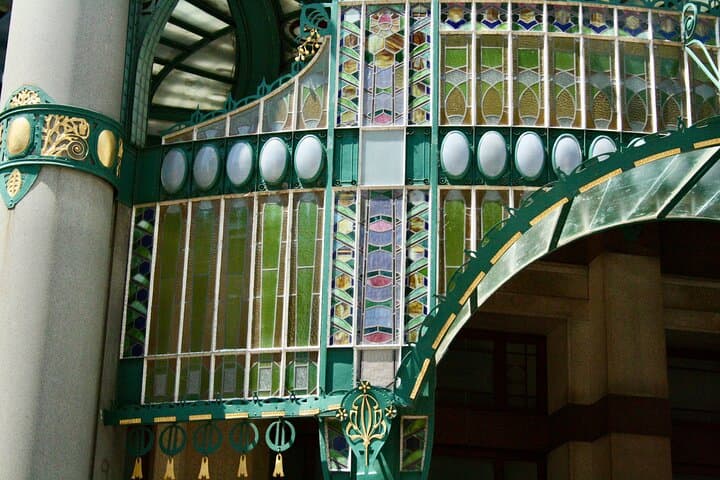
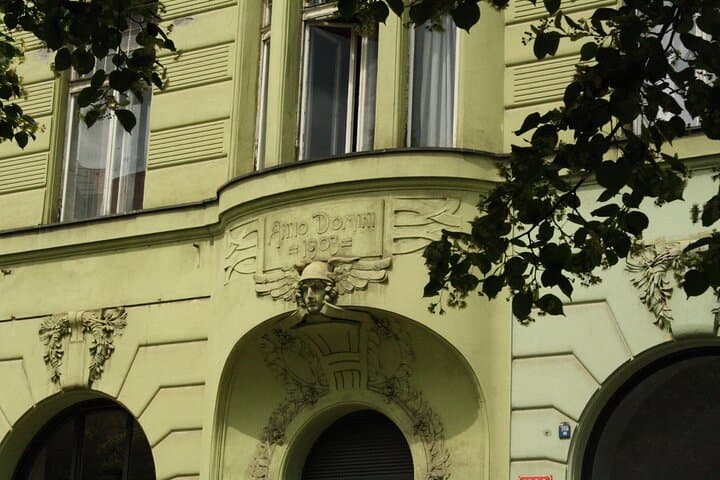
A morning on Prague’s boulevards begins with stone and stucco speaking like old city voices: the Central Train Station’s vaulted halls usher you into the era, while the Vltava, impatient and dark, pushes the city’s outline forward. This private 2.5‑hour walking tour threads between grand facades and angular experiments, moving from the gilded curves of Art Nouveau into the fractured planes of Czech Cubism.
Verified experiences and guided adventures in the surrounding area.
Operated by Prague Articulate · Prague, Prague
A morning on Prague’s boulevards begins with stone and stucco speaking like old city voices: the Central Train Station’s vaulted halls usher you into the era, while the Vltava, impatient and dark, pushes the city’s outline forward. This private 2.5‑hour walking tour threads between grand facades and angular experiments, moving from the gilded curves of Art Nouveau into the fractured planes of Czech Cubism.
At each stop the guide places buildings into the sweep of early 20th‑century Prague—when industrial prosperity, nationalist feeling, and modernist ambition remade streetscapes. Geology is subtle here: sandstone and molded concrete shape ornamentation and rooflines, while riverbank foundations determined where civic grandeur could rise. Culturally, the tour highlights how Prague architects appropriated international trends and turned them local; the Municipal House’s murals, for example, reflect a civic pride that followed the Austro‑Hungarian decline.
Expect close looks at the Central Train Station, the Jerusalem Synagogue’s decorative blend, the Municipal House, and the flagship Cubist House at the Black Madonna, plus lesser‑seen cubist lampposts and apartment blocks. The pace alternates short walks with moments of standing and listening; one public transit hop is included in the route.
Practicalities: wear supportive shoes, bring a light rain layer and a small daypack, and plan for two to three hours on foot with frequent stops. Mornings and late afternoons give softer light for façades; weekday departures reduce crowds. This tour balances narrative history with architectural detail—ideal for travelers who want context as they walk the city’s shape.
easy.
2–3 hours.
Suitable for most fitness levels; requires standing and walking on paved and cobbled streets for up to 2.5 hours with short breaks.
The tour notes wheelchair accessibility for main areas, but some streets have cobbles—check with the operator in advance to plan rolling routes and transit segments.
Most stops are exterior views; where admission is required it will be noted—this private itinerary mainly focuses on façades and public interiors without included museum tickets.
This is a private tour so the group size is controlled; confirm maximum participants with the provider when booking.
The listing is typically in English with a local guide; request other languages at booking if needed.
Prague’s Art Nouveau boom around 1900 and the subsequent Cubist experiment before World War I reflect a local blend of European trends and Czech national identity, producing unique civic and residential architecture.
Many buildings are protected historic monuments; visitors are asked to avoid touching delicate ornament and to stay on sidewalks to reduce wear on older stonework.
Prague Articulate operates guided outdoor trips and adventures with an emphasis on safety, stewardship, and memorable experiences.
A morning on Prague’s boulevards begins with stone and stucco speaking like old city voices: the Central Train Station’s vaulted halls usher you into the era, while the Vltava, impatient and dark, pushes the city’s outline forward. This private 2.5‑hour walking tour threads between grand facades and angular experiments, moving from the gilded curves of Art Nouveau into the fractured planes of Czech Cubism.
A morning on Prague’s boulevards begins with stone and stucco speaking like old city voices: the Central Train Station’s vaulted halls usher you into the era, while the Vltava, impatient and dark, pushes the city’s outline forward. This private 2.5‑hour walking tour threads between grand facades and angular experiments, moving from the gilded curves of Art Nouveau into the fractured planes of Czech Cubism.
At each stop the guide places buildings into the sweep of early 20th‑century Prague—when industrial prosperity, nationalist feeling, and modernist ambition remade streetscapes. Geology is subtle here: sandstone and molded concrete shape ornamentation and rooflines, while riverbank foundations determined where civic grandeur could rise. Culturally, the tour highlights how Prague architects appropriated international trends and turned them local; the Municipal House’s murals, for example, reflect a civic pride that followed the Austro‑Hungarian decline.
Expect close looks at the Central Train Station, the Jerusalem Synagogue’s decorative blend, the Municipal House, and the flagship Cubist House at the Black Madonna, plus lesser‑seen cubist lampposts and apartment blocks. The pace alternates short walks with moments of standing and listening; one public transit hop is included in the route.
Practicalities: wear supportive shoes, bring a light rain layer and a small daypack, and plan for two to three hours on foot with frequent stops. Mornings and late afternoons give softer light for façades; weekday departures reduce crowds. This tour balances narrative history with architectural detail—ideal for travelers who want context as they walk the city’s shape.