THE ADVENTURE COLLECTIVE® · Independent discovery and booking for outdoor travel

Explore Lhasa’s two defining sites—the Potala Palace and Jokhang Temple—on a private guided day tour that includes lunch, entrance fees, and pickup. Ideal for travelers wanting concentrated cultural immersion with practical guidance around permits and altitude.
Explore Lhasa’s two defining sites—the Potala Palace and Jokhang Temple—on a private guided day tour that includes lunch, entrance fees, and pickup. Ideal for travelers wanting concentrated cultural immersion with practical guidance around permits and altitude.
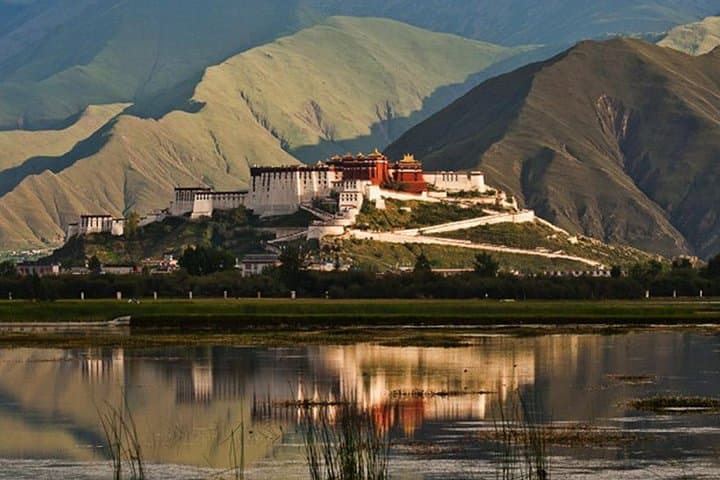
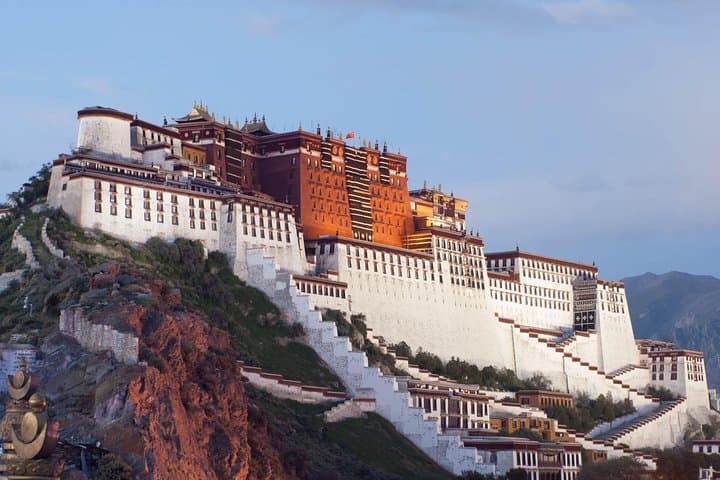
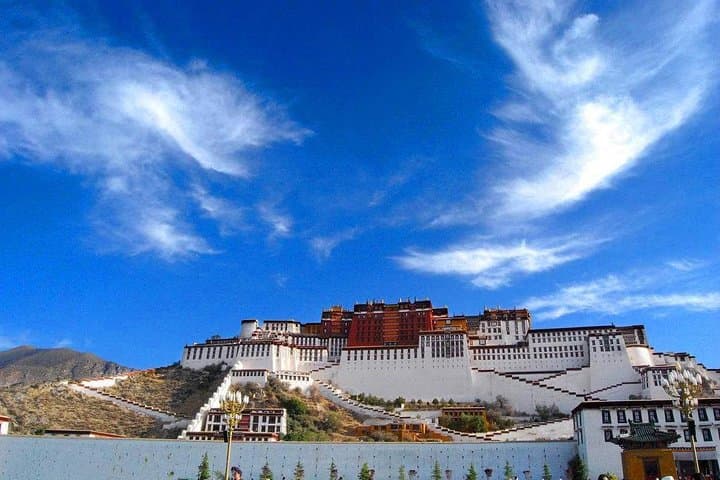
The morning air in Lhasa is thin and bright; prayer flags snap like small flags of color against the blue as a private vehicle pulls away from an urban hotel toward the Potala Palace. Approaching the fortress-like white and red tiers, visitors feel the scale of Tibet’s history pressing overhead—stone stairways, gilded roofs, and halls where monks move with deliberate purpose.
Verified experiences and guided adventures in the surrounding area.
Operated by Private China Tours · Lhasa, Tibet
The morning air in Lhasa is thin and bright; prayer flags snap like small flags of color against the blue as a private vehicle pulls away from an urban hotel toward the Potala Palace. Approaching the fortress-like white and red tiers, visitors feel the scale of Tibet’s history pressing overhead—stone stairways, gilded roofs, and halls where monks move with deliberate purpose.
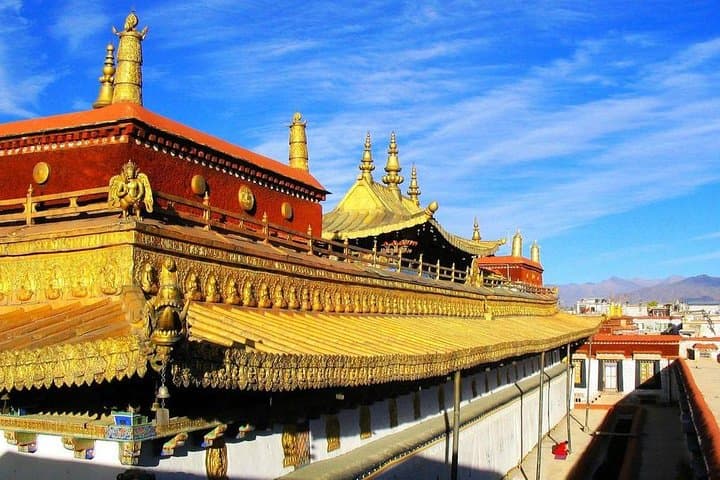
Potala Palace served as the winter residence of the Dalai Lama and is now an UNESCO World Heritage Site, its layered architecture reflecting centuries of Tibetan governance and religiosity. Nearby, Jokhang Temple functions as the city’s spiritual heart: pilgrims prostrate along Barkhor’s circular kora, while butter lamps throw a constant, intimate glow inside the shrine.
This private day tour bundles these cultural essentials with a local lunch, entrance fees, and a licensed guide who explains artifacts, iconography, and the rituals you’ll observe. Practical realities matter: Lhasa sits above 3,500 m (11,500 ft), so itineraries move at a deliberate pace and include time to acclimatize. Visitors must travel with a Tibet Travel Permit obtained before arrival and carry passports matching booking details.
Expect mostly paved and stone-ground walking, short stair climbs inside historic buildings, and crowds—especially at Jokhang and Barkhor. Photography rules apply in many interior spaces; follow your guide’s directions.
Plan for sun protection, warm layers, and respectful dress (shoulders/knees covered for temples). The day ends with a slow return to the hotel, having seen the defining monuments of Lhasa and having a clearer sense of Tibetan religious life and the logistical considerations of high-altitude travel.
easy.
8–9 hours.
Minimal fitness required for walking and stairs; be comfortable on cobbled streets and short staircases at altitude
Yes. The tour operator requires passport details in advance to secure the Tibet Travel Permit; you must carry your passport on the day.
Lhasa is around 3,650 m (12,000 ft); mild altitude symptoms are common—drink water, move slowly, and avoid heavy exertion on arrival.
Lunch and entrance fees to Potala Palace and Jokhang Temple are included in the tour price as stated in the itinerary.
The tour involves stairs and stone pathways; it’s generally suitable for those with light mobility but not recommended for travelers with severe back or mobility problems.
Potala Palace was expanded in the 17th century as the Dalai Lama’s winter residence and stands over earlier religious sites; Jokhang Temple dates to the 7th–8th centuries and is central to Tibetan Buddhist pilgrimage.
Lhasa’s historic sites are fragile—stay on designated paths, avoid touching artifacts, and minimize plastic waste; respectful behavior helps sustain religious spaces for local communities.
Private China Tours operates guided outdoor trips and adventures with an emphasis on safety, stewardship, and memorable experiences.
The morning air in Lhasa is thin and bright; prayer flags snap like small flags of color against the blue as a private vehicle pulls away from an urban hotel toward the Potala Palace. Approaching the fortress-like white and red tiers, visitors feel the scale of Tibet’s history pressing overhead—stone stairways, gilded roofs, and halls where monks move with deliberate purpose.
The morning air in Lhasa is thin and bright; prayer flags snap like small flags of color against the blue as a private vehicle pulls away from an urban hotel toward the Potala Palace. Approaching the fortress-like white and red tiers, visitors feel the scale of Tibet’s history pressing overhead—stone stairways, gilded roofs, and halls where monks move with deliberate purpose.
Potala Palace served as the winter residence of the Dalai Lama and is now an UNESCO World Heritage Site, its layered architecture reflecting centuries of Tibetan governance and religiosity. Nearby, Jokhang Temple functions as the city’s spiritual heart: pilgrims prostrate along Barkhor’s circular kora, while butter lamps throw a constant, intimate glow inside the shrine.
This private day tour bundles these cultural essentials with a local lunch, entrance fees, and a licensed guide who explains artifacts, iconography, and the rituals you’ll observe. Practical realities matter: Lhasa sits above 3,500 m (11,500 ft), so itineraries move at a deliberate pace and include time to acclimatize. Visitors must travel with a Tibet Travel Permit obtained before arrival and carry passports matching booking details.
Expect mostly paved and stone-ground walking, short stair climbs inside historic buildings, and crowds—especially at Jokhang and Barkhor. Photography rules apply in many interior spaces; follow your guide’s directions.
Plan for sun protection, warm layers, and respectful dress (shoulders/knees covered for temples). The day ends with a slow return to the hotel, having seen the defining monuments of Lhasa and having a clearer sense of Tibetan religious life and the logistical considerations of high-altitude travel.