THE ADVENTURE COLLECTIVE® · Independent discovery and booking for outdoor travel

Explore Porto’s historic center with a licensed historian on a private three-hour walk that includes the Sé cathedral, São Bento station, and curated local food and wine tips. Ideal for travelers who want context-rich history alongside practical recommendations.
Explore Porto’s historic center with a licensed historian on a private three-hour walk that includes the Sé cathedral, São Bento station, and curated local food and wine tips. Ideal for travelers who want context-rich history alongside practical recommendations.
You step off the cobblestones and the city opens like a layered map: granite stairs rise to a XII-century cathedral, trams clatter below, and the Douro’s current seems to pull the roofs toward the river.
Verified experiences and guided adventures in the surrounding area.
Operated by Casta Tours · Porto, Norte
You step off the cobblestones and the city opens like a layered map: granite stairs rise to a XII-century cathedral, trams clatter below, and the Douro’s current seems to pull the roofs toward the river.
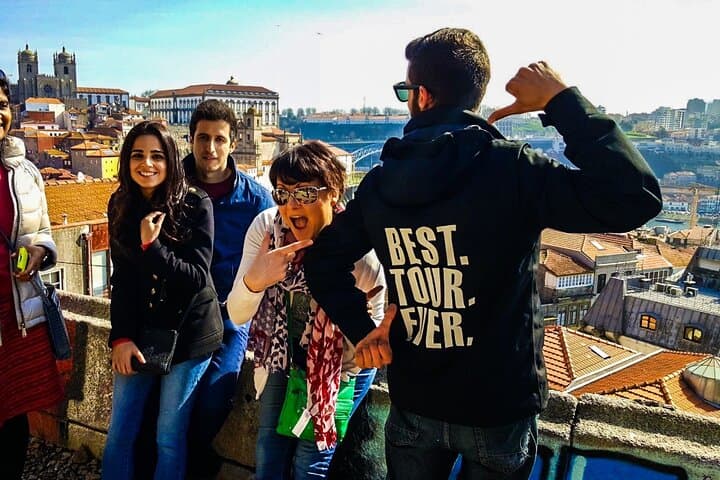
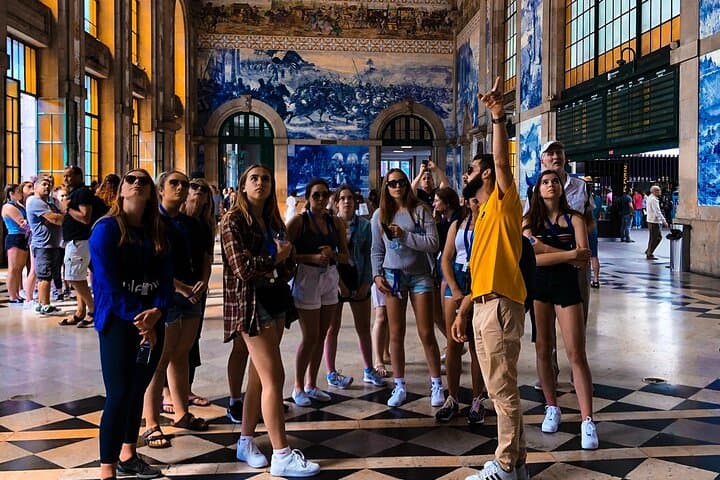
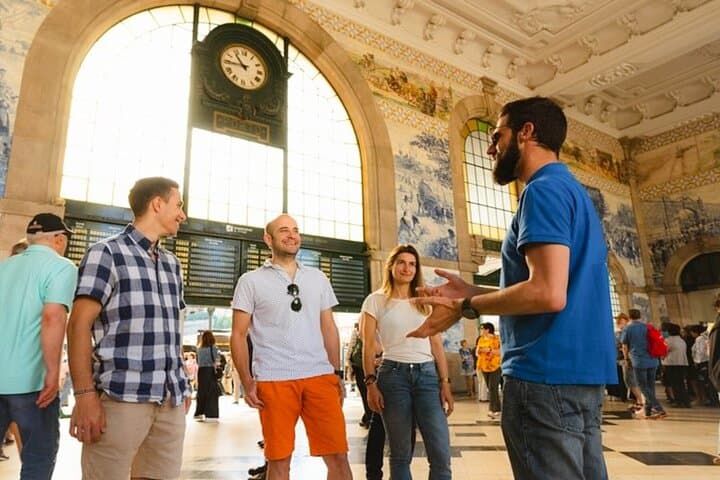
This three-hour private walking tour pairs a compact slice of Porto’s historic center with a licensed historian who frames what you see in political, economic and architectural context. Expect guided entry to Porto Cathedral (Sé) — its Romanesque core, baroque altars and cloister — plus a detailed stop at São Bento station to read the blue azulejo panels that narrate Portugal’s past. The route moves through narrow lanes, civic squares and viewpoints that reveal why the Ribeira and Sé areas are UNESCO-protected.
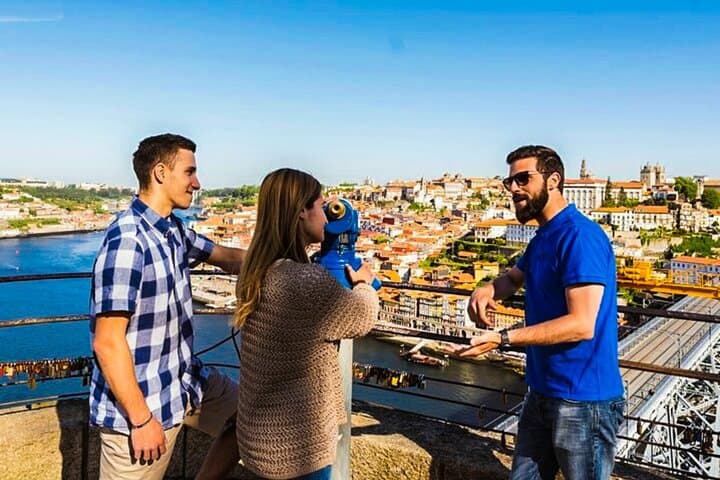
Geology and trade shaped Porto: granite outcrops shaped terraces while the Douro created a natural port that forged the city’s wine economy. The tour pairs that backbone with cultural notes — Fado echoes, port wine lodges, and the everyday markets where local gastronomy takes shape.
Practical edge: this is urban walking with stairs and short climbs. Wear grippy shoes for cobbles and a light layer for Atlantic breezes. Morning slots avoid crowds and give softer light for views over the Douro. Ask your historian about recommended taverns and the best places to taste tawny vs. vintage port — they’ll hand over focused local tips. Bring a charged phone for photos, a reusable water bottle, and precision questions: the guide is prepared to answer deep historical queries.
moderate.
3 hours.
Suitable for most people who can walk 2–4 miles and climb stairs; some short uphill sections.
Yes—guides note the tour is physically easy to moderate; however it includes stairs and short climbs, so mobility considerations should be discussed when booking.
The tour includes the announced entry to Porto Cathedral; any additional sites not listed may require separate fees.
This is a private tour limited to small groups to preserve service quality; confirm maximum group size with the operator at booking.
Yes—professional historians adapt content to focus on topics like architecture, political history, or gastronomy if requested in advance.
Porto’s center grew around its river port and granite terraces; its Ribeira and cathedral district reflect centuries of maritime trade and the port wine industry.
The historic core manages visitor flow to protect fragile stonework and azulejos; travelers are encouraged to stay on marked paths, minimize waste, and support local businesses.
Casta Tours operates guided outdoor trips and adventures with an emphasis on safety, stewardship, and memorable experiences.
You step off the cobblestones and the city opens like a layered map: granite stairs rise to a XII-century cathedral, trams clatter below, and the Douro’s current seems to pull the roofs toward the river.
You step off the cobblestones and the city opens like a layered map: granite stairs rise to a XII-century cathedral, trams clatter below, and the Douro’s current seems to pull the roofs toward the river.
This three-hour private walking tour pairs a compact slice of Porto’s historic center with a licensed historian who frames what you see in political, economic and architectural context. Expect guided entry to Porto Cathedral (Sé) — its Romanesque core, baroque altars and cloister — plus a detailed stop at São Bento station to read the blue azulejo panels that narrate Portugal’s past. The route moves through narrow lanes, civic squares and viewpoints that reveal why the Ribeira and Sé areas are UNESCO-protected.
Geology and trade shaped Porto: granite outcrops shaped terraces while the Douro created a natural port that forged the city’s wine economy. The tour pairs that backbone with cultural notes — Fado echoes, port wine lodges, and the everyday markets where local gastronomy takes shape.
Practical edge: this is urban walking with stairs and short climbs. Wear grippy shoes for cobbles and a light layer for Atlantic breezes. Morning slots avoid crowds and give softer light for views over the Douro. Ask your historian about recommended taverns and the best places to taste tawny vs. vintage port — they’ll hand over focused local tips. Bring a charged phone for photos, a reusable water bottle, and precision questions: the guide is prepared to answer deep historical queries.