THE ADVENTURE COLLECTIVE® · Independent discovery and booking for outdoor travel

Glide past Porto’s iconic bridges and riverside districts on a private speedboat, sip Port wine, and head upstream where the river narrows into quiet, scenic nature. This two-hour cruise pairs city history with a breath of Douro wilderness.
Glide past Porto’s iconic bridges and riverside districts on a private speedboat, sip Port wine, and head upstream where the river narrows into quiet, scenic nature. This two-hour cruise pairs city history with a breath of Douro wilderness.
The engine cuts through the Douro's mirrored surface and Porto slides aft in a river-etched panorama: tiled facades leaning toward the water, iron bridges arching like old hands, gulls questioning the wake. On a private speedboat you skim past the Ribeira's quays, under Luís I Bridge, then push upriver where the city softens into reed-lined banks and granite cliffs.
Verified experiences and guided adventures in the surrounding area.
Operated by Francisco Duarte · Porto, Porto
The engine cuts through the Douro's mirrored surface and Porto slides aft in a river-etched panorama: tiled facades leaning toward the water, iron bridges arching like old hands, gulls questioning the wake. On a private speedboat you skim past the Ribeira's quays, under Luís I Bridge, then push upriver where the city softens into reed-lined banks and granite cliffs.
This stretch of the Douro has been a trade corridor since Roman times and later became the artery of the port wine economy; wine barges and rabelo boats once threaded these currents. Geologically the river has carved its way through schist and granite, creating tight meanders and a broad estuary at the Atlantic. Culturally, the banks are a collage of fishermen's neighborhoods, port lodges in Vila Nova de Gaia, and riverside cafés where the city gathers at dusk.
Expect a two-hour rhythm: city sights first, then the river widens and nature takes over. Guides usually pour a tasting of aged Port—an earthy counterpoint to salt air—and offer local stories about bridge builders and river pilots. Wildlife can be subtle: terns chase the surface while pods of dolphins sometimes inspect curious wakes.
Practicalities matter: bring non-slip shoes and a wind layer, secure a camera against spray, and time your trip for late afternoon light when the facades warm. Respect the vessel's safety briefing, keep trash off the river, and remember that the private format favors small groups and flexible photo stops. This is a short, sensory ride that reads Porto from the water and then points upstream to quieter Douro nature.
moderate.
2 hours.
Moderate fitness; guests should be able to step on and off a small boat and stand for portions of the cruise.
Yes—tasting of authentic Port wine is typically included during the cruise as part of the onboard refreshments.
Infants are allowed but must sit on an adult's lap; inform the operator when booking so they can prepare seating.
Most departures are from central riverside docks near Ribeira; exact meeting details are provided at booking and staff will assist with boarding.
Tours may be canceled or rescheduled if conditions are unsafe; operators usually issue a full refund if canceled at least 24 hours prior or for bad weather.
The Douro has been vital since Roman times and became central to the port wine trade in the 17th–19th centuries; Vila Nova de Gaia's lodges stored wine barrels arriving downriver.
The Douro estuary is ecologically sensitive—avoid littering, follow crew guidance on wildlife distance, and choose operators who limit wake in narrow sections to reduce shoreline erosion.
Francisco Duarte operates guided outdoor trips and adventures with an emphasis on safety, stewardship, and memorable experiences.
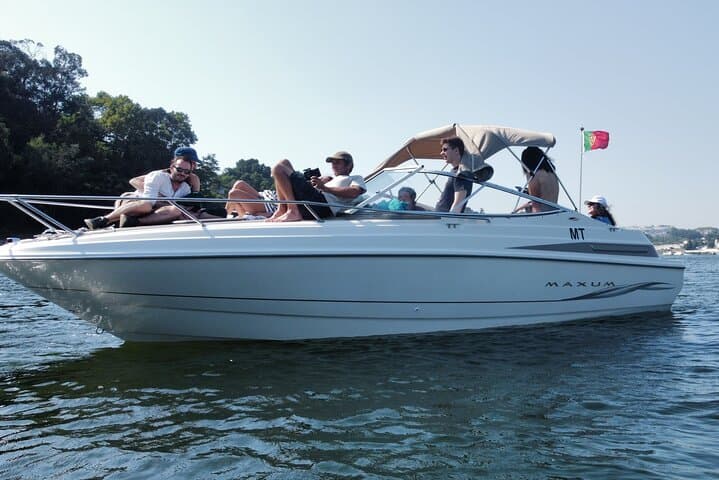
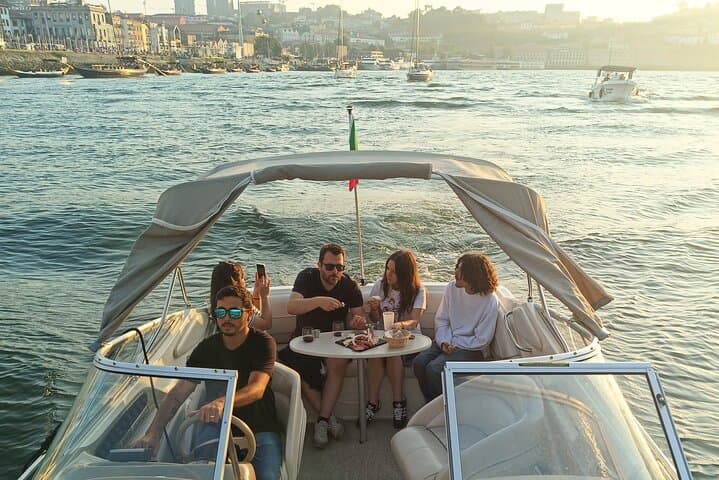
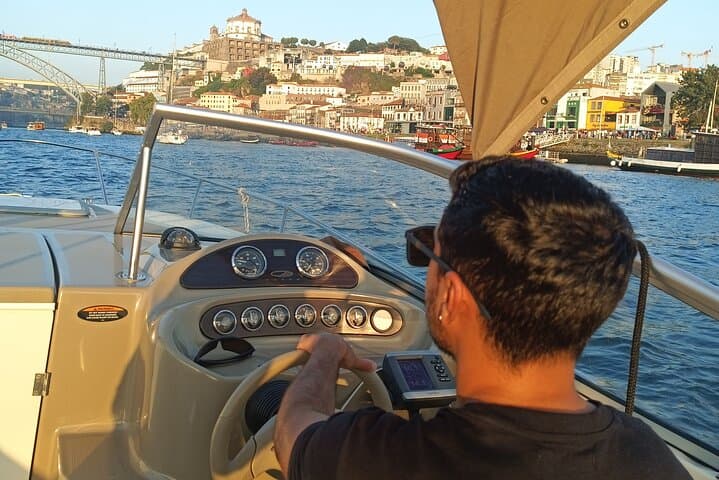
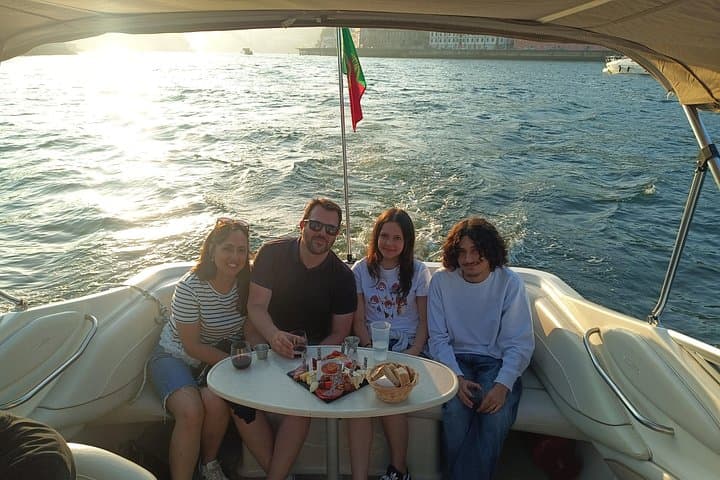
The engine cuts through the Douro's mirrored surface and Porto slides aft in a river-etched panorama: tiled facades leaning toward the water, iron bridges arching like old hands, gulls questioning the wake. On a private speedboat you skim past the Ribeira's quays, under Luís I Bridge, then push upriver where the city softens into reed-lined banks and granite cliffs.
The engine cuts through the Douro's mirrored surface and Porto slides aft in a river-etched panorama: tiled facades leaning toward the water, iron bridges arching like old hands, gulls questioning the wake. On a private speedboat you skim past the Ribeira's quays, under Luís I Bridge, then push upriver where the city softens into reed-lined banks and granite cliffs.
This stretch of the Douro has been a trade corridor since Roman times and later became the artery of the port wine economy; wine barges and rabelo boats once threaded these currents. Geologically the river has carved its way through schist and granite, creating tight meanders and a broad estuary at the Atlantic. Culturally, the banks are a collage of fishermen's neighborhoods, port lodges in Vila Nova de Gaia, and riverside cafés where the city gathers at dusk.
Expect a two-hour rhythm: city sights first, then the river widens and nature takes over. Guides usually pour a tasting of aged Port—an earthy counterpoint to salt air—and offer local stories about bridge builders and river pilots. Wildlife can be subtle: terns chase the surface while pods of dolphins sometimes inspect curious wakes.
Practicalities matter: bring non-slip shoes and a wind layer, secure a camera against spray, and time your trip for late afternoon light when the facades warm. Respect the vessel's safety briefing, keep trash off the river, and remember that the private format favors small groups and flexible photo stops. This is a short, sensory ride that reads Porto from the water and then points upstream to quieter Douro nature.