THE ADVENTURE COLLECTIVE® · Independent discovery and booking for outdoor travel

Walk Porto’s food history with a professional historian guiding private tastings at century-old shops and intimate Port lodges. This three-hour, wheelchair-accessible tour pairs local stories with refined food and wine sampling.
Walk Porto’s food history with a professional historian guiding private tastings at century-old shops and intimate Port lodges. This three-hour, wheelchair-accessible tour pairs local stories with refined food and wine sampling.
A late-afternoon light filters through narrow Ribeira alleys as the scent of roasted cod and freshly baked broa leads you toward a century-old mercearia. The city feels like a living pantry—stone facades warm from sun, the Douro daring you with a bright, moving edge—and on this private tasting route a historian walks beside you, pointing out the small decisions that shaped Portugal’s plates.
Verified experiences and guided adventures in the surrounding area.
Operated by Casta Tours · Porto, Porto
A late-afternoon light filters through narrow Ribeira alleys as the scent of roasted cod and freshly baked broa leads you toward a century-old mercearia. The city feels like a living pantry—stone facades warm from sun, the Douro daring you with a bright, moving edge—and on this private tasting route a historian walks beside you, pointing out the small decisions that shaped Portugal’s plates.
The city's cuisine traces Roman roads, medieval salt routes and the explosive reach of the Age of Discovery: spices and sugar from overseas folded into fish- and meat-forward traditions. Porto’s geology—granite hills dropping to the Douro—has concentrated settlement and markets along narrow streets, producing dense culinary neighborhoods where small shops and family-owned tascas persist.
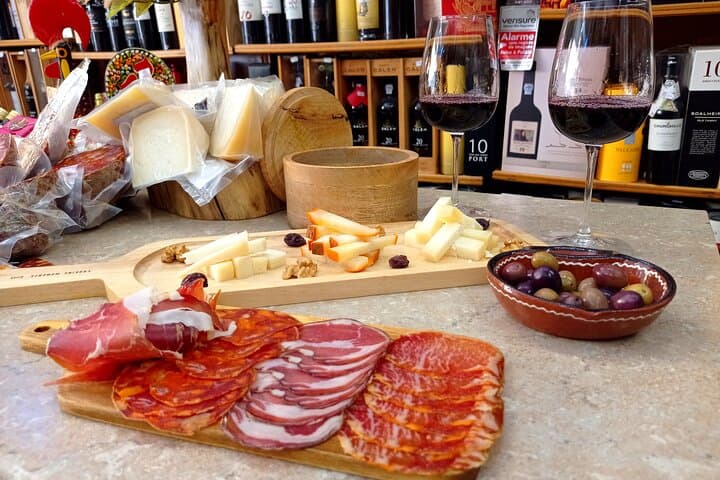
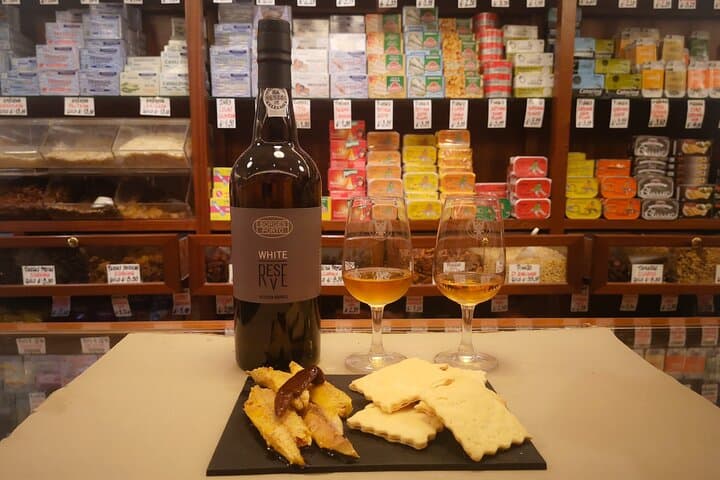
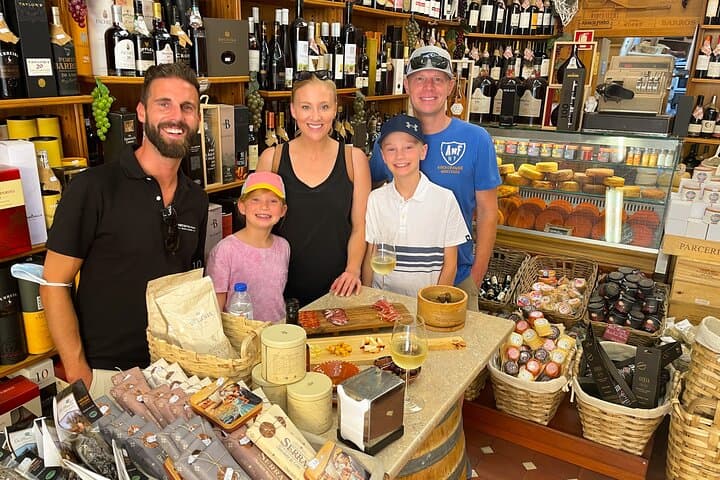
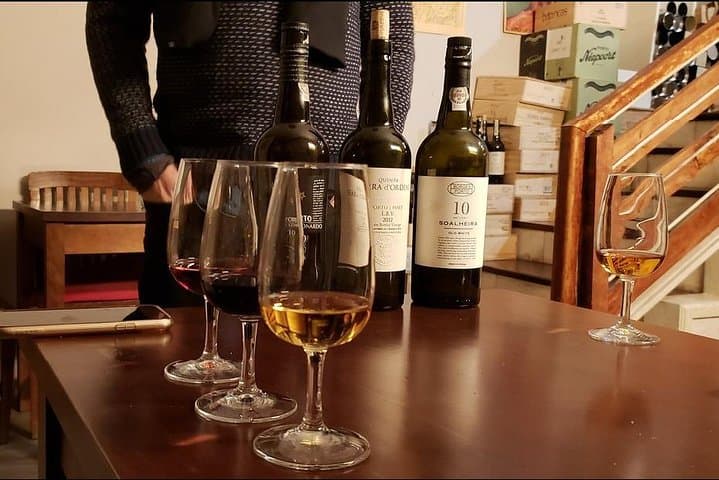
Expect a focused, three-hour stroll through authentic food stops: century-old grocery counters, bifana houses, seafood tastings near the river, and intimate Port wine pairings in traditional lodges across the Douro. The private format keeps pace deliberate—lots of standing, short walks on cobbles, and historical anecdotes that explain why certain flavors endure.
Practical notes: wear grippy shoes for uneven stone, bring a light layer for cellars and breezy riverfronts, and schedule midday or late-afternoon slots to avoid peak crowds. Tastings are portioned to allow multiple stops; if you have dietary restrictions the historian-guide can adjust the route. Take notes, ask about local producers, and leave extra room for a recommended restaurant or bar the guide points out—this is as much a culinary map lesson as it is a tasting tour.
easy.
3 hours.
Light walking ability required—short distances and standing for tastings; suitable for most fitness levels.
Yes — the tour includes multiple food tastings, a lunch element or snacks, and alcoholic beverages such as Port wine pairings.
Yes — the operator lists the tour as wheelchair and stroller accessible; however, some historic streets have uneven paving, so confirm accessibility needs when booking.
Yes — this is a private tour led by professional historians who tailor recommendations and can adjust stops for dietary restrictions or interests.
Tipping is appreciated but not mandatory; consider 5–10% for exceptional, personalized service, and cash helps at smaller establishments.
Porto’s cuisine reflects Roman and medieval roots and the Age of Discovery, when spices and new ingredients from overseas reshaped local dishes and preservation methods.
Support small producers and historic businesses by minimizing single-use plastics and choosing locally sourced items; these micro-enterprises depend on respectful, low-impact tourism.
Casta Tours operates guided outdoor trips and adventures with an emphasis on safety, stewardship, and memorable experiences.
A late-afternoon light filters through narrow Ribeira alleys as the scent of roasted cod and freshly baked broa leads you toward a century-old mercearia. The city feels like a living pantry—stone facades warm from sun, the Douro daring you with a bright, moving edge—and on this private tasting route a historian walks beside you, pointing out the small decisions that shaped Portugal’s plates.
A late-afternoon light filters through narrow Ribeira alleys as the scent of roasted cod and freshly baked broa leads you toward a century-old mercearia. The city feels like a living pantry—stone facades warm from sun, the Douro daring you with a bright, moving edge—and on this private tasting route a historian walks beside you, pointing out the small decisions that shaped Portugal’s plates.
The city's cuisine traces Roman roads, medieval salt routes and the explosive reach of the Age of Discovery: spices and sugar from overseas folded into fish- and meat-forward traditions. Porto’s geology—granite hills dropping to the Douro—has concentrated settlement and markets along narrow streets, producing dense culinary neighborhoods where small shops and family-owned tascas persist.
Expect a focused, three-hour stroll through authentic food stops: century-old grocery counters, bifana houses, seafood tastings near the river, and intimate Port wine pairings in traditional lodges across the Douro. The private format keeps pace deliberate—lots of standing, short walks on cobbles, and historical anecdotes that explain why certain flavors endure.
Practical notes: wear grippy shoes for uneven stone, bring a light layer for cellars and breezy riverfronts, and schedule midday or late-afternoon slots to avoid peak crowds. Tastings are portioned to allow multiple stops; if you have dietary restrictions the historian-guide can adjust the route. Take notes, ask about local producers, and leave extra room for a recommended restaurant or bar the guide points out—this is as much a culinary map lesson as it is a tasting tour.