THE ADVENTURE COLLECTIVE® · Independent discovery and booking for outdoor travel

Explore Port-au-Prince in a focused four-hour tour that balances city history, market life, and a glimpse of Haiti’s natural edges. Visit museum exhibits, iconic ruins, and local markets with an experienced guide.
Explore Port-au-Prince in a focused four-hour tour that balances city history, market life, and a glimpse of Haiti’s natural edges. Visit museum exhibits, iconic ruins, and local markets with an experienced guide.
You step out of an air-conditioned van into a bright Caribbean morning and Port-au-Prince opens with its layered sounds—market vendors calling, motorcycles threading narrow streets, and gulls riding the harbor breeze.
Verified experiences and guided adventures in the surrounding area.
Operated by Eagle Adventures and Tours · Port-au-Prince, Ouest
You step out of an air-conditioned van into a bright Caribbean morning and Port-au-Prince opens with its layered sounds—market vendors calling, motorcycles threading narrow streets, and gulls riding the harbor breeze.
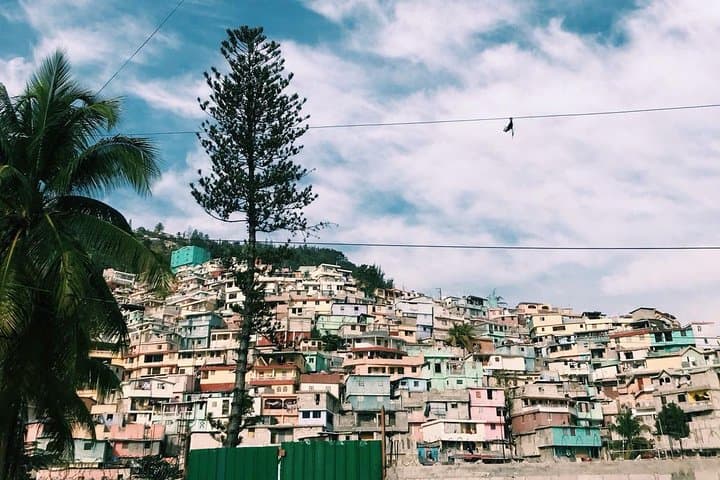
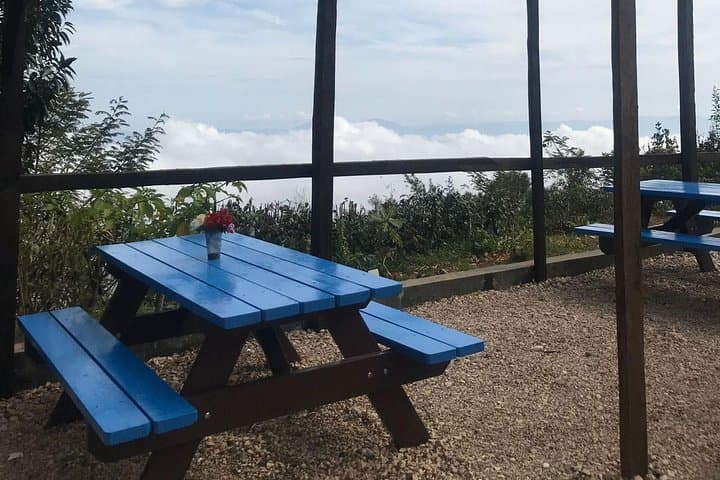
The tour threads between city scars and recovery: the ruined shell of the National Palace and the Cathedral ruin tell the immediate story of the 2010 earthquake, while the National Museum and Atis Rezistans on Grand Rue reveal deeper chapters of Haitian history and artistic resistance. Geologically, Port-au-Prince sits on a coastal plain backed by low hills carved from limestone and alluvial soils; the observatoire offers a compact 360-degree view of this urban edge where sea and hill meet.
Culturally, expect the pulse of Kompa music, Creole conversation, and markets like Papillon and the iron market where artisans rework metal into practical art. A stop at Wyne Farm and the local ecological park gives a taste of Haiti’s greener side—mango trees, hibiscus, and scrub that wildlife and people both rely on.
Practical guidance: the tour runs about four hours with hotel pickup, so bring your passport copy, cash in gourdes for small purchases, sunscreen, and comfortable walking shoes. Dress code is noted as formal for some stops—smart casual will bridge respect and comfort. Midday is hottest; start in the morning to avoid peak heat. Follow your guide’s local safety advice, keep water handy, and allow time to absorb both the city’s resilience and its quieter natural corners.
moderate.
4 hours.
Moderate — expect short walks, some uneven terrain, and brief climbs to viewpoints
Yes — passport name, number, expiry and country are required at time of booking and should be carried for pickup verification.
This listing is offered as a private tour option with hotel pickup, though operator notes groups may include up to 15 travelers in some shared formats—confirm at booking.
Guides may be multi-lingual; confirm your preferred language when booking to ensure a compatible guide.
A formal dress code is requested for some stops—smart casual attire works well for comfort and respect at cultural sites.
Port-au-Prince grew in the 18th century as Haiti’s capital and later became a focal point of 20th- and 21st-century political and seismic events, including the devastating 2010 earthquake that reshaped many public spaces.
Local initiatives focus on preserving green patches like community parks and farms; travelers can reduce impact by avoiding single-use plastics and supporting local artisans.
Eagle Adventures and Tours operates guided outdoor trips and adventures with an emphasis on safety, stewardship, and memorable experiences.
You step out of an air-conditioned van into a bright Caribbean morning and Port-au-Prince opens with its layered sounds—market vendors calling, motorcycles threading narrow streets, and gulls riding the harbor breeze.
You step out of an air-conditioned van into a bright Caribbean morning and Port-au-Prince opens with its layered sounds—market vendors calling, motorcycles threading narrow streets, and gulls riding the harbor breeze.
The tour threads between city scars and recovery: the ruined shell of the National Palace and the Cathedral ruin tell the immediate story of the 2010 earthquake, while the National Museum and Atis Rezistans on Grand Rue reveal deeper chapters of Haitian history and artistic resistance. Geologically, Port-au-Prince sits on a coastal plain backed by low hills carved from limestone and alluvial soils; the observatoire offers a compact 360-degree view of this urban edge where sea and hill meet.
Culturally, expect the pulse of Kompa music, Creole conversation, and markets like Papillon and the iron market where artisans rework metal into practical art. A stop at Wyne Farm and the local ecological park gives a taste of Haiti’s greener side—mango trees, hibiscus, and scrub that wildlife and people both rely on.
Practical guidance: the tour runs about four hours with hotel pickup, so bring your passport copy, cash in gourdes for small purchases, sunscreen, and comfortable walking shoes. Dress code is noted as formal for some stops—smart casual will bridge respect and comfort. Midday is hottest; start in the morning to avoid peak heat. Follow your guide’s local safety advice, keep water handy, and allow time to absorb both the city’s resilience and its quieter natural corners.