THE ADVENTURE COLLECTIVE® · Independent discovery and booking for outdoor travel

Explore Pompeii with a licensed private guide who navigates the ruins, points out hidden frescoes and explains the geology of Vesuvius’s eruption. This guided walk saves you time, avoids crowds, and illuminates the everyday life of an ancient Roman city.
Explore Pompeii with a licensed private guide who navigates the ruins, points out hidden frescoes and explains the geology of Vesuvius’s eruption. This guided walk saves you time, avoids crowds, and illuminates the everyday life of an ancient Roman city.
You step through a low stone gate and the city opens like a map written in plaster and shadow. The vetust streets of Pompeii—paved, worn, and punctuated by doorways—lead you across thresholds once crossed by Romans going about their daily business. Your guide holds a quiet authority, steering the group past busy nodes and toward quieter houses where mosaics keep their secrets.
Verified experiences and guided adventures in the surrounding area.
Operated by POMPEI GUIDE SERVICE · Pompeii, Campania
You step through a low stone gate and the city opens like a map written in plaster and shadow. The vetust streets of Pompeii—paved, worn, and punctuated by doorways—lead you across thresholds once crossed by Romans going about their daily business. Your guide holds a quiet authority, steering the group past busy nodes and toward quieter houses where mosaics keep their secrets.
Pompeii was frozen in the instant of Vesuvius’s eruption in 79 AD; volcanic ash and pumice preserved streets, frescoes, and graffiti. Geology here reads like a ledger: layers of tuff, ash, and lapilli tell the rapid story of pyroclastic surges and airfall that entombed the town. Culturally, the site is a window into Roman domestic life—bakeries with ovens, fullonica (tanneries), and villas with peristyles that still suggest social routines and trade links across the Bay of Naples.
Local knowledge matters: the Circumvesuviana train drops you at Pompei Scavi—Villa dei Misteri and parking is limited. Many blocks of the site are under conservation, so an official guide points out accessible highlights and explains ongoing restoration work.
Practical guidance: expect uneven cobbles and sun exposure—plan for 1–3 hours depending on pace. Tickets can be bought ahead but a private official guide simplifies logistics and reading of inscriptions and artifacts. Bring water, sun protection, and comfortable shoes; move deliberately through the ruins and allow time to absorb the scale of preservation in this extraordinary open-air museum.
easy.
1–3 hours.
Suitable for most fitness levels; expect light walking on uneven ground for up to a few hours
Tickets can be purchased at the entrance, but buying ahead saves time; your private guide can advise on official ticket windows to avoid third-party fees.
Yes—official guides tailor pacing and storytelling for families and gentle walkers, but expect some standing and walking on uneven surfaces.
Yes, some areas are periodically closed for conservation; guides will redirect you to accessible highlights and explain why areas are restricted.
The Circumvesuviana regional train from Naples (Piazza Garibaldi) stops at Pompei Scavi—Villa dei Misteri, a short walk from the main entrance; driving and paid parking are also options but space is limited.
Pompeii preserves a Roman cityscape frozen by the 79 AD eruption of Mount Vesuvius; excavations since the 18th century revealed streets, shops, and domestic life in remarkable detail.
Ongoing conservation balances public access with preservation; stay on designated paths and avoid touching frescoes to minimize wear and support long-term protection.
POMPEI GUIDE SERVICE operates guided outdoor trips and adventures with an emphasis on safety, stewardship, and memorable experiences.
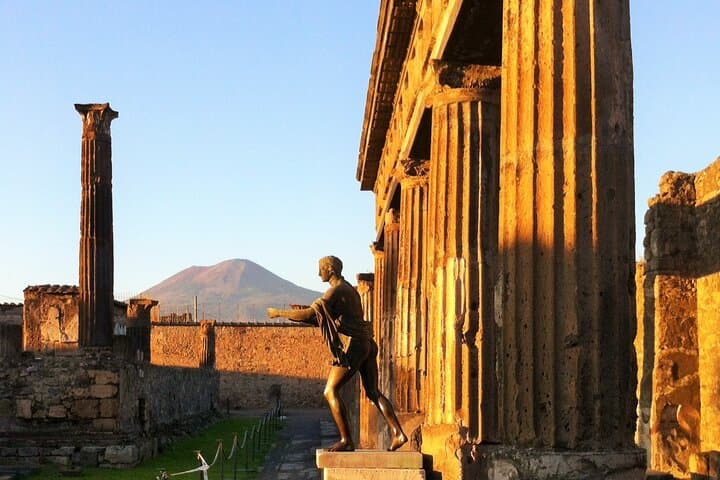


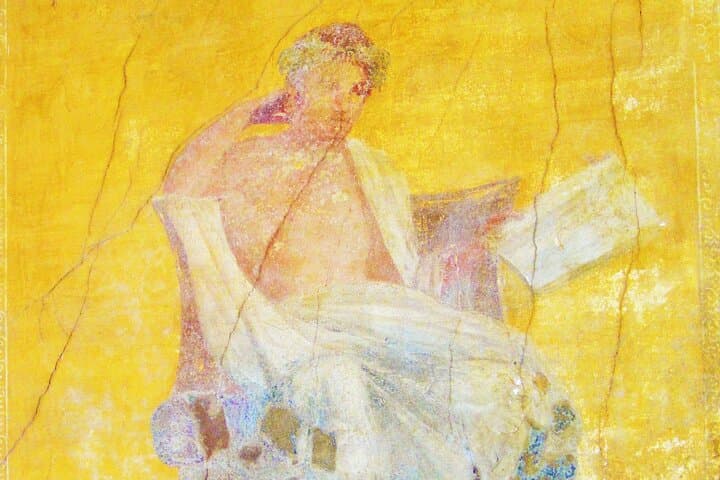
You step through a low stone gate and the city opens like a map written in plaster and shadow. The vetust streets of Pompeii—paved, worn, and punctuated by doorways—lead you across thresholds once crossed by Romans going about their daily business. Your guide holds a quiet authority, steering the group past busy nodes and toward quieter houses where mosaics keep their secrets.
You step through a low stone gate and the city opens like a map written in plaster and shadow. The vetust streets of Pompeii—paved, worn, and punctuated by doorways—lead you across thresholds once crossed by Romans going about their daily business. Your guide holds a quiet authority, steering the group past busy nodes and toward quieter houses where mosaics keep their secrets.
Pompeii was frozen in the instant of Vesuvius’s eruption in 79 AD; volcanic ash and pumice preserved streets, frescoes, and graffiti. Geology here reads like a ledger: layers of tuff, ash, and lapilli tell the rapid story of pyroclastic surges and airfall that entombed the town. Culturally, the site is a window into Roman domestic life—bakeries with ovens, fullonica (tanneries), and villas with peristyles that still suggest social routines and trade links across the Bay of Naples.
Local knowledge matters: the Circumvesuviana train drops you at Pompei Scavi—Villa dei Misteri and parking is limited. Many blocks of the site are under conservation, so an official guide points out accessible highlights and explains ongoing restoration work.
Practical guidance: expect uneven cobbles and sun exposure—plan for 1–3 hours depending on pace. Tickets can be bought ahead but a private official guide simplifies logistics and reading of inscriptions and artifacts. Bring water, sun protection, and comfortable shoes; move deliberately through the ruins and allow time to absorb the scale of preservation in this extraordinary open-air museum.