THE ADVENTURE COLLECTIVE® · Independent discovery and booking for outdoor travel

Step into the streets frozen by Vesuvius on a private, skip-the-line tour of Pompeii. Designed for families or focused small groups, this two-hour guided walk highlights the Forum, baths, and private houses with hands-on commentary and fast-track access.
Step into the streets frozen by Vesuvius on a private, skip-the-line tour of Pompeii. Designed for families or focused small groups, this two-hour guided walk highlights the Forum, baths, and private houses with hands-on commentary and fast-track access.
The guide waits at the Porta Marina entrance as morning light washes the basalt streets—the smell of warm stone and citrus hangs in the air while a ribbon of cobbles leads into a city stopped mid-breath.
Verified experiences and guided adventures in the surrounding area.
Operated by Leisure Italy · Pompeii, Campania
The guide waits at the Porta Marina entrance as morning light washes the basalt streets—the smell of warm stone and citrus hangs in the air while a ribbon of cobbles leads into a city stopped mid-breath.
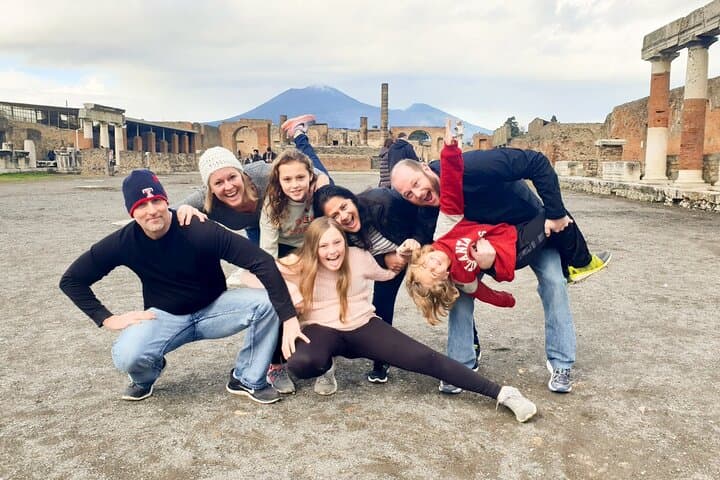
Visitors move past the Forum where marble met commerce, and through the long spine of Via dell’Abbondanza, footsteps echoing where Romans once shopped and argued. Mount Vesuvius broods on the skyline, its presence the reason Pompeii froze in 79 AD and the reason every mosaic, bath, and amphitheater here feels urgent and intimate.
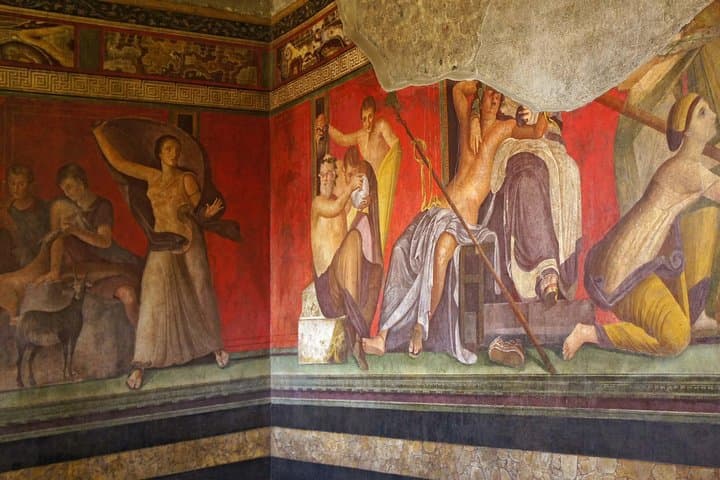
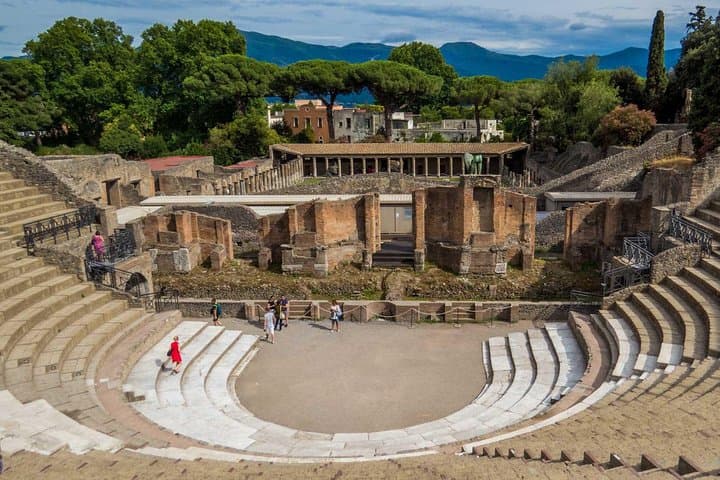
This private, two-hour walk focuses on highlights: the Forum, Temple of Apollo, Forum Baths, House of the Vettii and the Amphitheatre, with stops in the Antiquarium to see plaster casts and fragile artifacts. Guides translate archaeology into daily life—bakers’ counters, street-level drains, and painted walls that reveal tastes, taboos, and trade routes across the Mediterranean.
Geologically, the site sits on volcanic layers of pumice and ash; that same ash preserves fragile frescoes while demanding careful conservation. Culturally, Pompeii offers a direct window into Roman urban planning and social hierarchy.
Practical notes: plan early in the day to avoid heat and crowds, wear sturdy shoes for uneven volcanic paving, and bring water and sun protection. Families can choose the kid-friendly option for interactive activities and stickers that keep children engaged.
Expect flat, walking-intensive terrain with brief uneven steps, intermittent shade, and limited sheltered rest areas—this is a site best experienced with a paced, attentive guide and sensible footwear.
moderate.
2 hours.
Comfortable on-your-feet stamina for walking on uneven stone for up to two hours; able to manage short stair sections.
Admission is not included by default; guides often have access to fast-track ticket purchase on site—confirm at booking.
Some paths allow strollers but uneven pavements and steps make a sturdy stroller necessary; infants may be easier in carriers.
Yes—select the kid-friendly option for activity kits and a guide trained to engage ages 6–11 with games and stories.
Photography for personal use is allowed across most of the site, but avoid touching frescoes or climbing ruins; use flash sparingly in indoor cases.
Pompeii was buried by the 79 AD eruption of Mount Vesuvius, preserving a detailed cross-section of Roman urban life and architecture.
Ongoing conservation balances public access with preservation—avoid touching frescoes, follow paths, and respect restricted areas to limit wear.
Leisure Italy operates guided outdoor trips and adventures with an emphasis on safety, stewardship, and memorable experiences.
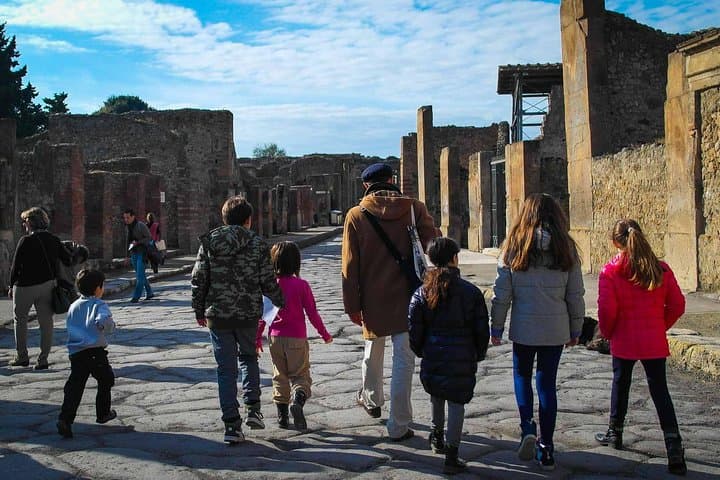
The guide waits at the Porta Marina entrance as morning light washes the basalt streets—the smell of warm stone and citrus hangs in the air while a ribbon of cobbles leads into a city stopped mid-breath.
The guide waits at the Porta Marina entrance as morning light washes the basalt streets—the smell of warm stone and citrus hangs in the air while a ribbon of cobbles leads into a city stopped mid-breath.
Visitors move past the Forum where marble met commerce, and through the long spine of Via dell’Abbondanza, footsteps echoing where Romans once shopped and argued. Mount Vesuvius broods on the skyline, its presence the reason Pompeii froze in 79 AD and the reason every mosaic, bath, and amphitheater here feels urgent and intimate.
This private, two-hour walk focuses on highlights: the Forum, Temple of Apollo, Forum Baths, House of the Vettii and the Amphitheatre, with stops in the Antiquarium to see plaster casts and fragile artifacts. Guides translate archaeology into daily life—bakers’ counters, street-level drains, and painted walls that reveal tastes, taboos, and trade routes across the Mediterranean.
Geologically, the site sits on volcanic layers of pumice and ash; that same ash preserves fragile frescoes while demanding careful conservation. Culturally, Pompeii offers a direct window into Roman urban planning and social hierarchy.
Practical notes: plan early in the day to avoid heat and crowds, wear sturdy shoes for uneven volcanic paving, and bring water and sun protection. Families can choose the kid-friendly option for interactive activities and stickers that keep children engaged.
Expect flat, walking-intensive terrain with brief uneven steps, intermittent shade, and limited sheltered rest areas—this is a site best experienced with a paced, attentive guide and sensible footwear.