THE ADVENTURE COLLECTIVE® · Independent discovery and booking for outdoor travel

Explore Pompeii with a private local guide over a two-hour walk that brings the Roman city’s streets, homes and frescoes to life. Learn geological and cultural context while your guide tailors the pace and focus to your interests.
Explore Pompeii with a private local guide over a two-hour walk that brings the Roman city’s streets, homes and frescoes to life. Learn geological and cultural context while your guide tailors the pace and focus to your interests.
You step through a low stone arch and the present slips away: cobbled streets, collapsed porticoes and frescoed walls stand like chapters of a paused city. Your guide moves beside you, fluent in history and in the rhythm of this place, pointing out thresholds where Pompeii’s residents once measured daily life before Mount Vesuvius changed it all.
Verified experiences and guided adventures in the surrounding area.
Operated by CiaoNaples - Tours & Excursions · Pompeii, Campania
You step through a low stone arch and the present slips away: cobbled streets, collapsed porticoes and frescoed walls stand like chapters of a paused city. Your guide moves beside you, fluent in history and in the rhythm of this place, pointing out thresholds where Pompeii’s residents once measured daily life before Mount Vesuvius changed it all.
Pompeii’s story is geological as well as human. The 79 AD eruption buried buildings in ash and pumice, preserving floors, frescoes and even impressions of objects and people. The site’s volcanic soils and proximity to Vesuvius shaped local building materials and the patterns of urban life you’ll observe in baths, markets and private homes.
Culturally, Pompeii reveals Roman domestic routines—wall paintings advertising gladiator schools, household shrines, and bakeries frozen mid-bake. Local guides link these details to broader Roman law, trade and daily rhythms, adding practical context you won’t get from a guidebook.
Practical guidance: this private tour runs about two hours and moves at your pace—plan for roughly 1.5–2 miles of mostly flat walking with occasional uneven stones. Morning departures avoid midday heat and crowds; bring a reusable water bottle, sturdy closed-toe shoes, sun protection and a lightweight layer for coastal breezes. Photography is allowed, but respect conservation signs and don’t touch mosaics or frescoes.
A private guide not only translates inscriptions and points out hidden frescoes, they also advise on timing and access—use them to navigate entrances, rest stops and quieter sectors of the park. With preparation, the visit becomes both an archaeological primer and a clear, tangible connection to an ancient urban life interrupted by the mountain above.
easy.
2 hours.
Suitable for most fitness levels; expect 1.5–2 miles of walking on uneven surfaces and some standing.
This private tour typically requires separate entrance tickets unless the operator specifies admission is included—confirm at booking and carry your mobile or printed ticket.
Much of the site has uneven surfaces and limited ramps; some areas are accessible but travelers with serious mobility concerns should check specific site accessibility or request a modified route from the guide.
Photography is generally allowed for personal use, but avoid flash on frescoes and always follow posted conservation rules and your guide’s instructions.
Meet at the agreed starting point near the main entrance; arrive 10–15 minutes early to check in and avoid delays, especially during high season.
Pompeii was largely buried by the 79 AD eruption of Vesuvius; volcanic ash and pumice preserved buildings and organic impressions, creating an unparalleled archaeological snapshot of Roman urban life.
Heavy visitation stresses fragile surfaces; follow paths, avoid touching art and support certified guides and local conservation fees that fund ongoing restoration.
CiaoNaples - Tours & Excursions operates guided outdoor trips and adventures with an emphasis on safety, stewardship, and memorable experiences.
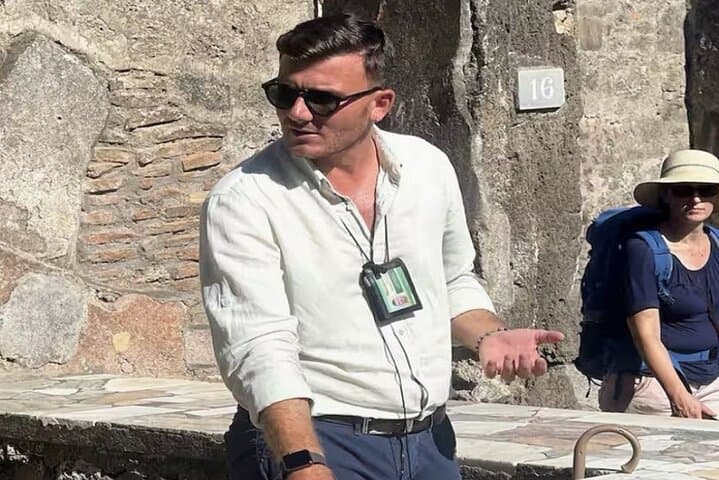
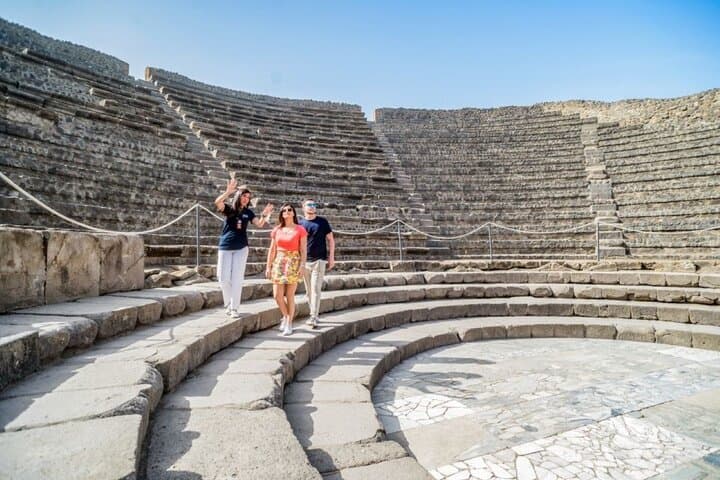
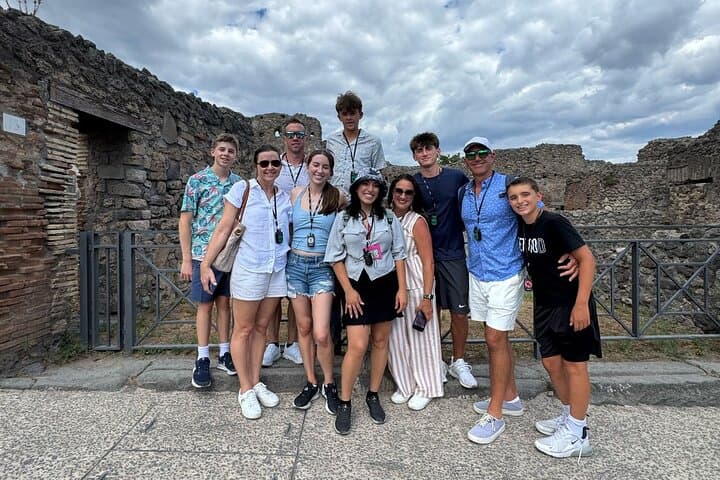
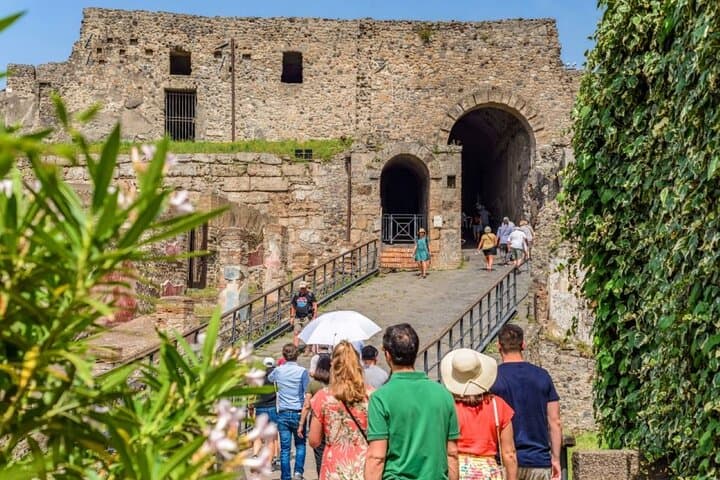
You step through a low stone arch and the present slips away: cobbled streets, collapsed porticoes and frescoed walls stand like chapters of a paused city. Your guide moves beside you, fluent in history and in the rhythm of this place, pointing out thresholds where Pompeii’s residents once measured daily life before Mount Vesuvius changed it all.
You step through a low stone arch and the present slips away: cobbled streets, collapsed porticoes and frescoed walls stand like chapters of a paused city. Your guide moves beside you, fluent in history and in the rhythm of this place, pointing out thresholds where Pompeii’s residents once measured daily life before Mount Vesuvius changed it all.
Pompeii’s story is geological as well as human. The 79 AD eruption buried buildings in ash and pumice, preserving floors, frescoes and even impressions of objects and people. The site’s volcanic soils and proximity to Vesuvius shaped local building materials and the patterns of urban life you’ll observe in baths, markets and private homes.
Culturally, Pompeii reveals Roman domestic routines—wall paintings advertising gladiator schools, household shrines, and bakeries frozen mid-bake. Local guides link these details to broader Roman law, trade and daily rhythms, adding practical context you won’t get from a guidebook.
Practical guidance: this private tour runs about two hours and moves at your pace—plan for roughly 1.5–2 miles of mostly flat walking with occasional uneven stones. Morning departures avoid midday heat and crowds; bring a reusable water bottle, sturdy closed-toe shoes, sun protection and a lightweight layer for coastal breezes. Photography is allowed, but respect conservation signs and don’t touch mosaics or frescoes.
A private guide not only translates inscriptions and points out hidden frescoes, they also advise on timing and access—use them to navigate entrances, rest stops and quieter sectors of the park. With preparation, the visit becomes both an archaeological primer and a clear, tangible connection to an ancient urban life interrupted by the mountain above.