THE ADVENTURE COLLECTIVE® · Independent discovery and booking for outdoor travel

Explore two of Italy’s most astonishing Roman sites and finish with a vineyard tasting on Vesuvius’ slopes. This private day tour pairs hands-on history with a sensory wine experience—ideal for travelers who want context, comfort and a full day of discovery.
Explore two of Italy’s most astonishing Roman sites and finish with a vineyard tasting on Vesuvius’ slopes. This private day tour pairs hands-on history with a sensory wine experience—ideal for travelers who want context, comfort and a full day of discovery.
You step out of the van into the heat-hardened air of the Bay of Naples and the ground seems to remember the past beneath your boots. Roman streets open like chapters of a long book: frescoed walls, mosaic thresholds and flattened cobbles that still direct a modern foot. Later, vines cling to the volcanic slopes of Vesuvius, the earth itself a storyteller in the silver of grape leaves and mineral-rich soils.
Verified experiences and guided adventures in the surrounding area.
Operated by CiaoNaples - Tours & Excursions · Naples, Campania
You step out of the van into the heat-hardened air of the Bay of Naples and the ground seems to remember the past beneath your boots. Roman streets open like chapters of a long book: frescoed walls, mosaic thresholds and flattened cobbles that still direct a modern foot. Later, vines cling to the volcanic slopes of Vesuvius, the earth itself a storyteller in the silver of grape leaves and mineral-rich soils.
Pompeii and Herculaneum share the dramatic biography of Vesuvius’ 79 AD eruption—Pompeii frozen under ash, Herculaneum sealed in pyroclastic mud—preserving houses, shops and organic artifacts that reveal everyday Roman life. Geology is tangible here: pumice, tuff and lava have shaped terraces and soils that give local wines, including Lacryma Christi, their distinct minerality.
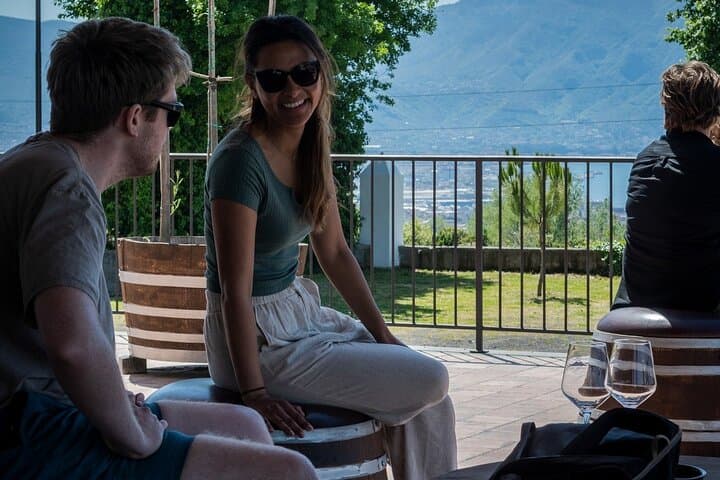
A private guide shortcuts long lines and links archeological context with vineyard practice, then leads you to a cellar where fermentation and ageing are explained among barrels and stone. Tasting is sensory: bright fruit, volcanic saline notes and a clean, stony finish that reflects the slope it grew on.
Practical notes: this is an all-day private excursion (about 8–9 hours) with significant walking on uneven surfaces—bring sturdy shoes, sun protection and a refillable bottle. Tickets to archaeological parks may be separate; confirm admission details when booking. Early starts beat the heat and crowds; if mobility is a concern, notify your operator in advance to arrange accessible transport and routing.
easy.
8–9 hours.
Suitable for most fitness levels but requires sustained walking and standing for several hours
Admission is typically not included—confirm with the operator and purchase tickets or request they be added at booking.
Private transportation is included in this tour, with wheelchair-accessible options available upon request.
Expect several hours of walking on uneven, cobbled streets and some steps; plan for 2–3 miles of on-foot exploration overall.
Tastings usually focus on wines from Vesuvius’ slopes—commonly Lacryma Christi and regional varietals that show volcanic minerality and Mediterranean fruit.
Pompeii and Herculaneum were buried during Vesuvius’ 79 AD eruption; differing burial processes produced exceptional preservation that gives modern scholars detailed views of Roman domestic life.
Tour operators encourage pre-booked visits and staying on designated paths to protect fragile ruins; vineyards here also practice soil management to limit erosion on volcanic slopes.
CiaoNaples - Tours & Excursions operates guided outdoor trips and adventures with an emphasis on safety, stewardship, and memorable experiences.

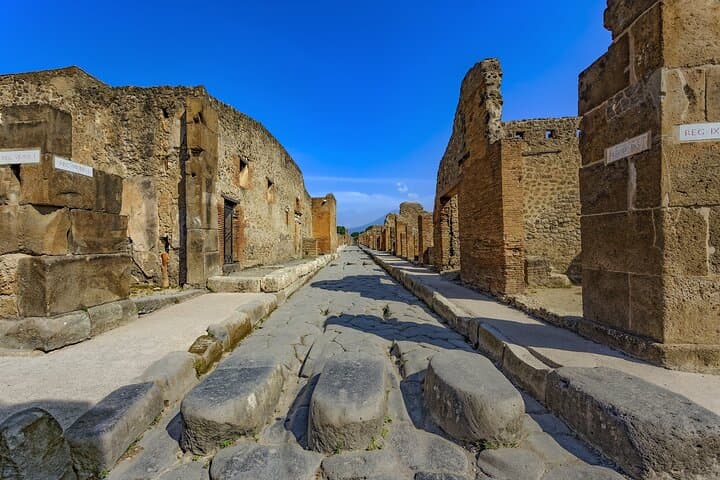

You step out of the van into the heat-hardened air of the Bay of Naples and the ground seems to remember the past beneath your boots. Roman streets open like chapters of a long book: frescoed walls, mosaic thresholds and flattened cobbles that still direct a modern foot. Later, vines cling to the volcanic slopes of Vesuvius, the earth itself a storyteller in the silver of grape leaves and mineral-rich soils.
You step out of the van into the heat-hardened air of the Bay of Naples and the ground seems to remember the past beneath your boots. Roman streets open like chapters of a long book: frescoed walls, mosaic thresholds and flattened cobbles that still direct a modern foot. Later, vines cling to the volcanic slopes of Vesuvius, the earth itself a storyteller in the silver of grape leaves and mineral-rich soils.
Pompeii and Herculaneum share the dramatic biography of Vesuvius’ 79 AD eruption—Pompeii frozen under ash, Herculaneum sealed in pyroclastic mud—preserving houses, shops and organic artifacts that reveal everyday Roman life. Geology is tangible here: pumice, tuff and lava have shaped terraces and soils that give local wines, including Lacryma Christi, their distinct minerality.
A private guide shortcuts long lines and links archeological context with vineyard practice, then leads you to a cellar where fermentation and ageing are explained among barrels and stone. Tasting is sensory: bright fruit, volcanic saline notes and a clean, stony finish that reflects the slope it grew on.
Practical notes: this is an all-day private excursion (about 8–9 hours) with significant walking on uneven surfaces—bring sturdy shoes, sun protection and a refillable bottle. Tickets to archaeological parks may be separate; confirm admission details when booking. Early starts beat the heat and crowds; if mobility is a concern, notify your operator in advance to arrange accessible transport and routing.