THE ADVENTURE COLLECTIVE® · Independent discovery and booking for outdoor travel

Spend a private day on the Amalfi Coast combining Positano’s steep streets, Sorrento’s bay views and a guided wander through the ash-preserved streets of Pompeii. Practical route notes, seasonal advice and what to pack for a full coastal day.
Spend a private day on the Amalfi Coast combining Positano’s steep streets, Sorrento’s bay views and a guided wander through the ash-preserved streets of Pompeii. Practical route notes, seasonal advice and what to pack for a full coastal day.
You step out of the Mercedes into warm coastal air: the Tyrrhenian Sea dares you toward the horizon while cliffs push back with narrow roads and stepped alleys. The day moves from postcard Positano’s vertical streets to Sorrento’s bay-facing terraces, then back through time among the ash-frozen streets of Pompeii.
Verified experiences and guided adventures in the surrounding area.
Operated by Driveritaly · Naples, Campania
You step out of the Mercedes into warm coastal air: the Tyrrhenian Sea dares you toward the horizon while cliffs push back with narrow roads and stepped alleys. The day moves from postcard Positano’s vertical streets to Sorrento’s bay-facing terraces, then back through time among the ash-frozen streets of Pompeii.
Pompeii’s ruins preserve Roman daily life after Vesuvius’ 79 AD eruption — fouled plaster, preserved mosaics and a grid of streets that reveal urban planning and trade. Geologically, the coast is young: volcanic soils feed lemon groves and shape the steep coastal cliffs. Culturally, Amalfi Coast towns grew on fishing and trade; today their craft shops, limoncello, and churches reflect that maritime heritage.
Expect varied walking: Pompeii covers roughly 2–3 km of archaeological paths with uneven volcanic stone; Positano is steep with many stairs down to Marina Grande; Sorrento’s center is compact with cliff-top viewpoints. Wear supportive shoes, carry sun protection and water, and plan for roughly eight hours including drive time between stops.
Timing matters — arrive early in Pompeii to avoid heat and crowds, and allow at least 60–90 minutes in each town for a focused visit. Admissions to Pompeii may be separate from the private transfer; tickets are often purchased on-site or online.
Practical essentials: layered sun protection, comfortable footwear for cobbles and stairs, cash for small shops, and a charged phone for photos and directions. With a private driver, you gain flexibility — use it to linger at a lookout or shorten a walk if the heat rises.
moderate.
8 hours.
Reasonable mobility and stamina for several hours of walking, stairs and uneven surfaces; suitable for most active travelers.
Tickets are typically not included with private transfer; you can purchase them online in advance or at the site — allow time for entry.
Private tours generally offer pickup from Naples city hotels and cruise terminals — confirm pickup details at booking and provide arrival info.
The route is family-friendly in towns, and strollers can be used in parts of Pompeii, but uneven surfaces and stairs may limit stroller access in some areas.
Capri requires extra transit time by ferry; fitting it into the same day would limit time on the Amalfi Coast and Pompeii — best saved for a dedicated day trip.
Pompeii was buried by the eruption of Mt. Vesuvius in 79 AD, preserving streets, homes, and daily objects in volcanic ash that archaeologists continue to uncover.
Stay on marked paths in Pompeii and avoid touching frescoes or mosaics; the coastal towns balance tourism with fragile cliffside ecosystems, so minimize waste and respect local signage.
Driveritaly operates guided outdoor trips and adventures with an emphasis on safety, stewardship, and memorable experiences.
You step out of the Mercedes into warm coastal air: the Tyrrhenian Sea dares you toward the horizon while cliffs push back with narrow roads and stepped alleys. The day moves from postcard Positano’s vertical streets to Sorrento’s bay-facing terraces, then back through time among the ash-frozen streets of Pompeii.
You step out of the Mercedes into warm coastal air: the Tyrrhenian Sea dares you toward the horizon while cliffs push back with narrow roads and stepped alleys. The day moves from postcard Positano’s vertical streets to Sorrento’s bay-facing terraces, then back through time among the ash-frozen streets of Pompeii.
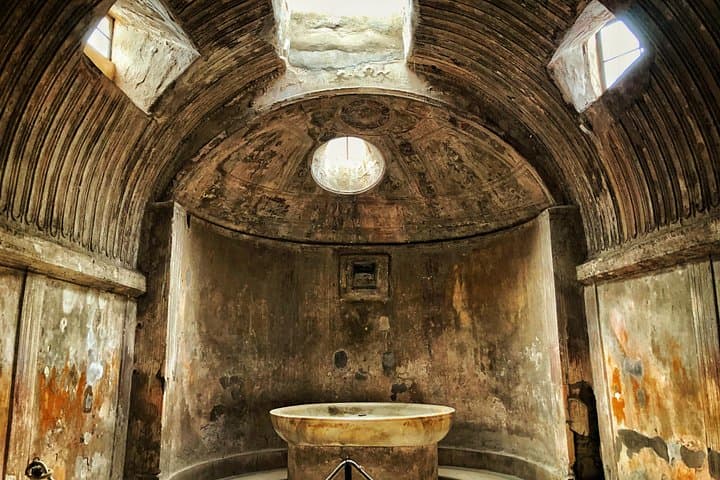
Pompeii’s ruins preserve Roman daily life after Vesuvius’ 79 AD eruption — fouled plaster, preserved mosaics and a grid of streets that reveal urban planning and trade. Geologically, the coast is young: volcanic soils feed lemon groves and shape the steep coastal cliffs. Culturally, Amalfi Coast towns grew on fishing and trade; today their craft shops, limoncello, and churches reflect that maritime heritage.
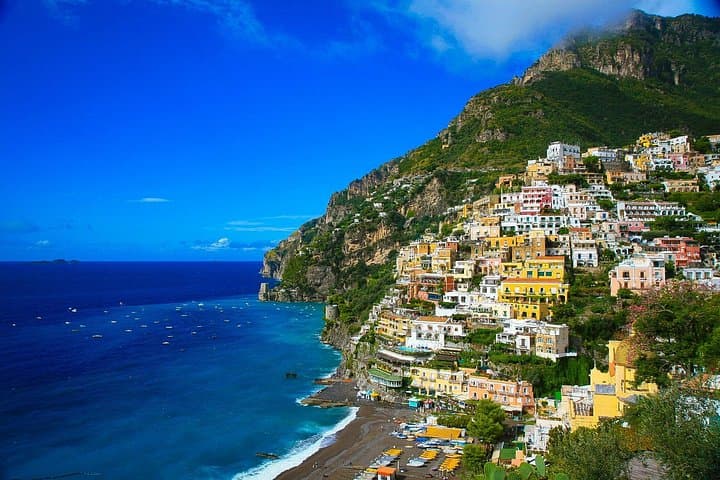
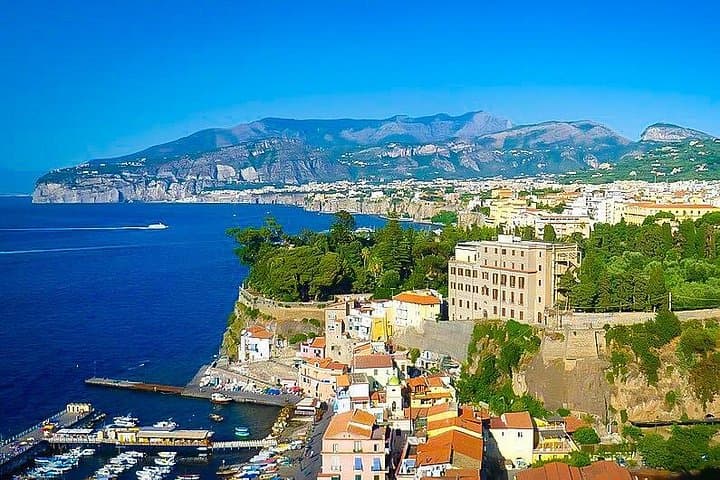
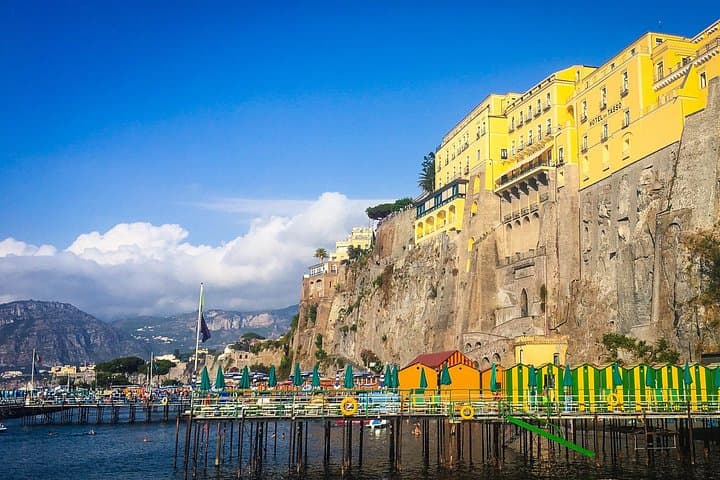
Expect varied walking: Pompeii covers roughly 2–3 km of archaeological paths with uneven volcanic stone; Positano is steep with many stairs down to Marina Grande; Sorrento’s center is compact with cliff-top viewpoints. Wear supportive shoes, carry sun protection and water, and plan for roughly eight hours including drive time between stops.
Timing matters — arrive early in Pompeii to avoid heat and crowds, and allow at least 60–90 minutes in each town for a focused visit. Admissions to Pompeii may be separate from the private transfer; tickets are often purchased on-site or online.
Practical essentials: layered sun protection, comfortable footwear for cobbles and stairs, cash for small shops, and a charged phone for photos and directions. With a private driver, you gain flexibility — use it to linger at a lookout or shorten a walk if the heat rises.