THE ADVENTURE COLLECTIVE® · Independent discovery and booking for outdoor travel

Make the most of the 4–5 hour private transfer from Kathmandu to Pokhara: air‑conditioned comfort, a driver-guide, and roadside views of the Trishuli River and Himalayan foothills. This practical guide explains what to expect, what to pack, and how to time your journey for better scenery and fewer delays.
Make the most of the 4–5 hour private transfer from Kathmandu to Pokhara: air‑conditioned comfort, a driver-guide, and roadside views of the Trishuli River and Himalayan foothills. This practical guide explains what to expect, what to pack, and how to time your journey for better scenery and fewer delays.
You ease into an air‑conditioned seat as Kathmandu’s chaotic skyline thins and terraced fields take over the window. The road unspools past roadside stalls, paddy banks and the steady ribbon of the Trishuli River — a current that dares you to slow down and watch instead of rush.
Verified experiences and guided adventures in the surrounding area.
Operated by Luxury Holidays Nepal Pvt. Ltd. · Pokhara, Gandaki Province
You ease into an air‑conditioned seat as Kathmandu’s chaotic skyline thins and terraced fields take over the window. The road unspools past roadside stalls, paddy banks and the steady ribbon of the Trishuli River — a current that dares you to slow down and watch instead of rush.
This route connects two of Nepal’s most traveled hubs: Kathmandu, the political and cultural heart, and Pokhara, the gateway to the Annapurna range and Phewa Lake. Geologically, the drive follows young Himalayan foothills carved by rivers; you’ll see freshly uplifted ridgelines, steep river gorges and agricultural benches that reflect centuries of mountain adaptation. Culturally the corridor crosses Newar and Gurung-influenced towns where tea shops and roadside shrines frame the highway.
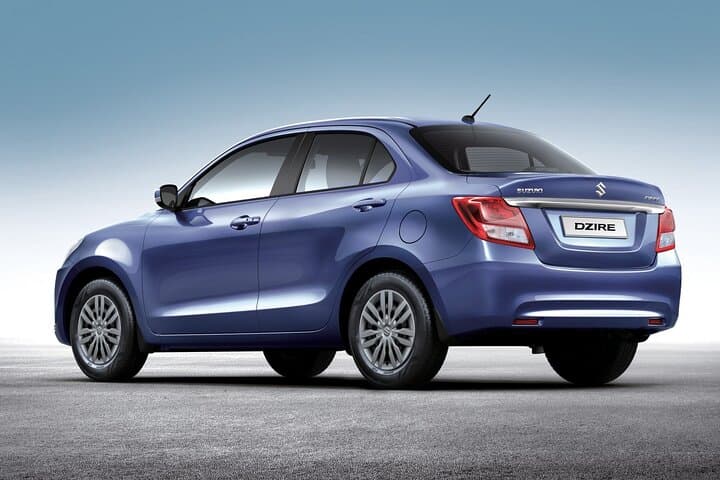
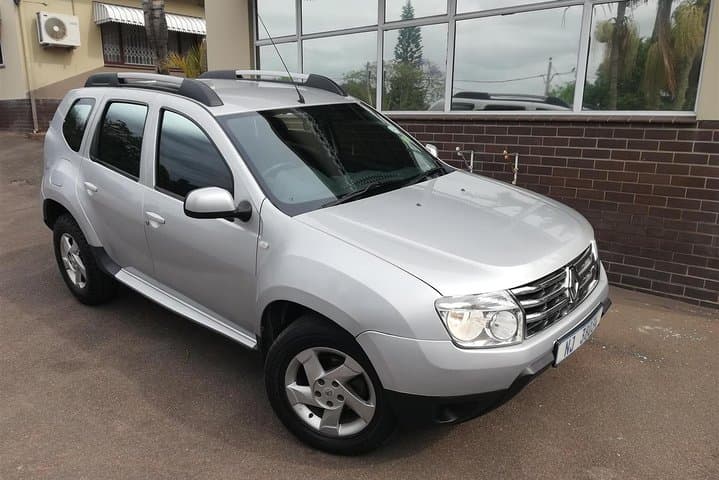
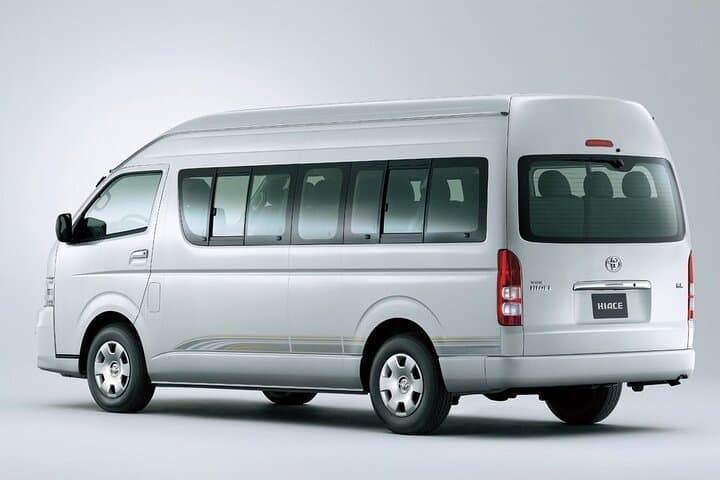
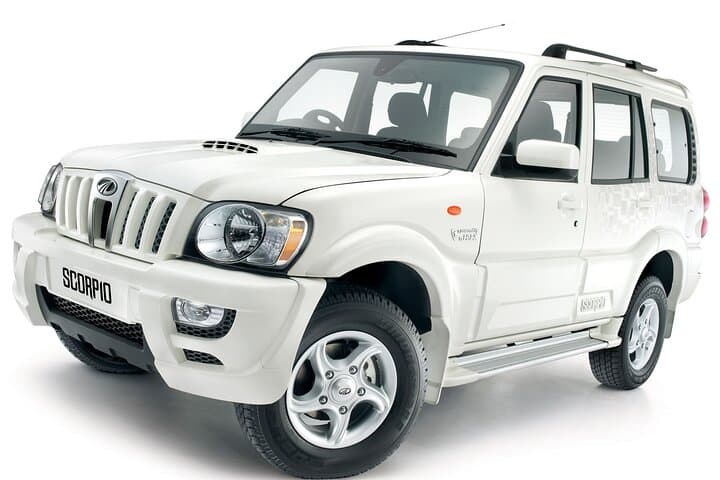
For practical travel, the private drop is straightforward: a professional driver who doubles as a guide, fuel and parking included, and wheelchair and infant-seat accessibility where requested. Expect 4–5 hours of travel time depending on traffic and road conditions; morning departures tend to be quicker. Bring local currency for roadside stops, a charged phone or SIM for navigation, and a window seat if you want unbroken views toward the river and terraced slopes.
Safety is practical: secure luggage in the boot, confirm pickup point in Kathmandu, and plan stops for food and restrooms. If weather is poor, mountain visibility will vary — but even a cloud-swept pass is a reminder of why this corridor links the plains to Nepal’s high country.
easy.
4–5 hours.
Minimal fitness required — suitable for travelers of all activity levels who can sit comfortably for several hours.
Typical driving time is 4–5 hours from Kathmandu to Pokhara, though traffic, road work, and weather can extend the journey.
Yes — providers usually offer pickup from the airport, hotels or addresses within the Kathmandu valley; confirm during booking.
Drivers generally accommodate scheduled rest and tea stops; clarify preferred timing before departure for planning purposes.
The listing notes wheelchair-accessible transportation and surfaces, but confirm vehicle type and assistance needs when booking.
The Kathmandu–Pokhara corridor follows historic trade and pilgrimage paths between the Kathmandu Valley and the western hill regions, evolving into a modern highway that links cultural centers and trekking gateways.
Roadside litter and increasing vehicle traffic pressure fragile riverbanks and agricultural terraces; choose operators who minimize waste and follow local driving regulations.
Luxury Holidays Nepal Pvt. Ltd. operates guided outdoor trips and adventures with an emphasis on safety, stewardship, and memorable experiences.
You ease into an air‑conditioned seat as Kathmandu’s chaotic skyline thins and terraced fields take over the window. The road unspools past roadside stalls, paddy banks and the steady ribbon of the Trishuli River — a current that dares you to slow down and watch instead of rush.
You ease into an air‑conditioned seat as Kathmandu’s chaotic skyline thins and terraced fields take over the window. The road unspools past roadside stalls, paddy banks and the steady ribbon of the Trishuli River — a current that dares you to slow down and watch instead of rush.
This route connects two of Nepal’s most traveled hubs: Kathmandu, the political and cultural heart, and Pokhara, the gateway to the Annapurna range and Phewa Lake. Geologically, the drive follows young Himalayan foothills carved by rivers; you’ll see freshly uplifted ridgelines, steep river gorges and agricultural benches that reflect centuries of mountain adaptation. Culturally the corridor crosses Newar and Gurung-influenced towns where tea shops and roadside shrines frame the highway.
For practical travel, the private drop is straightforward: a professional driver who doubles as a guide, fuel and parking included, and wheelchair and infant-seat accessibility where requested. Expect 4–5 hours of travel time depending on traffic and road conditions; morning departures tend to be quicker. Bring local currency for roadside stops, a charged phone or SIM for navigation, and a window seat if you want unbroken views toward the river and terraced slopes.
Safety is practical: secure luggage in the boot, confirm pickup point in Kathmandu, and plan stops for food and restrooms. If weather is poor, mountain visibility will vary — but even a cloud-swept pass is a reminder of why this corridor links the plains to Nepal’s high country.