THE ADVENTURE COLLECTIVE® · Independent discovery and booking for outdoor travel

Stand at the steaming rim of Poás Volcano, then unwind at a family strawberry farm where you pick berries and taste homemade wines. This private day trip pairs easy crater viewpoints and cloud-forest walks with hands-on rural flavors and private transport.
Stand at the steaming rim of Poás Volcano, then unwind at a family strawberry farm where you pick berries and taste homemade wines. This private day trip pairs easy crater viewpoints and cloud-forest walks with hands-on rural flavors and private transport.
You begin before sunrise, the minivan climbing through coffee plantations as mist clings to the cloud forest. By the time you step onto the short paved trail to Poás’s main crater viewpoint, a raw, mineral scent and low hisses of volcanic gas set the scene. The rim opens to one of the planet’s largest active craters—steam rising, crater walls striped with sulfuric stains—then, minutes later, the hush of Laguna de Botos, a turquoise pool resting in an extinct crater, offers cool relief.
Verified experiences and guided adventures in the surrounding area.
Operated by Paticas Travel · Alajuela, Alajuela
You begin before sunrise, the minivan climbing through coffee plantations as mist clings to the cloud forest. By the time you step onto the short paved trail to Poás’s main crater viewpoint, a raw, mineral scent and low hisses of volcanic gas set the scene. The rim opens to one of the planet’s largest active craters—steam rising, crater walls striped with sulfuric stains—then, minutes later, the hush of Laguna de Botos, a turquoise pool resting in an extinct crater, offers cool relief.
Poás is geologically young and volatile; eruptions and fumarolic activity have shaped the landscape and prompted careful park management. The surrounding cloud forest is a cultural landscape too—small family farms, local markets, and artisanal strawberry producers who’ve adapted highland microclimates to fruit and dairy products.
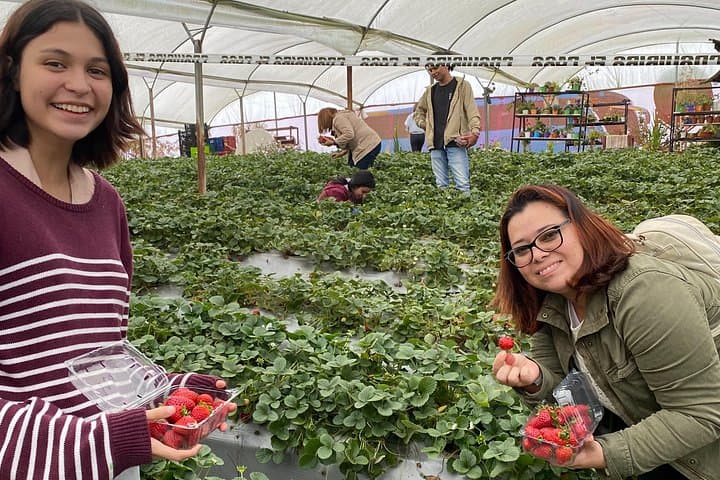
After crater viewpoints and a guided walk to Botos Lagoon, the tour shifts to rural life: a family-run strawberry farm where you’ll pick half a kilo of berries, sample homemade strawberry wine and rompope, and learn cultivation techniques used at elevation.
Practical guidance: plan for altitude changes, bring layers and a rain shell—the weather can flip quickly. Mornings often offer the best visibility; afternoons bring clouds and drizzle. The walking is short and easy (roughly 300 meters to the crater viewpoint, mostly paved, plus uneven farm paths). Expect a full-day outing of about 6–7 hours with private transport, lunch, and park entrance included. Keep water, sturdy shoes, and a camera ready—this trip stitches volcanic drama to pastoral pleasures with strong ethical support for local families.
easy.
6–7 hours.
Suitable for most fitness levels; requires short walks on paved paths and uneven farm tracks.
Yes—this tour includes entrance to Poás Volcano National Park and guided access to the main viewpoints and Botos Lagoon.
Walks are short: about 300 meters to the crater viewpoint and roughly 45 minutes total on the Botos trail; farm paths are leisurely and optional.
Yes—the itinerary is rated easy and appropriate for most ages, but advise the operator about mobility needs or altitude sensitivities when booking.
The park can restrict crater access during increased volcanic activity or poor visibility; operators typically adjust the itinerary, but confirm cancellation and refund policies when booking.
Poás has been a focal point of volcanic activity for centuries; the national park was established to protect its fragile highland ecosystem and unique geothermal features.
Park authorities limit access to sensitive crater zones and promote responsible tourism; tours that include local farms channel revenue into rural communities and conservation efforts.
Paticas Travel operates guided outdoor trips and adventures with an emphasis on safety, stewardship, and memorable experiences.
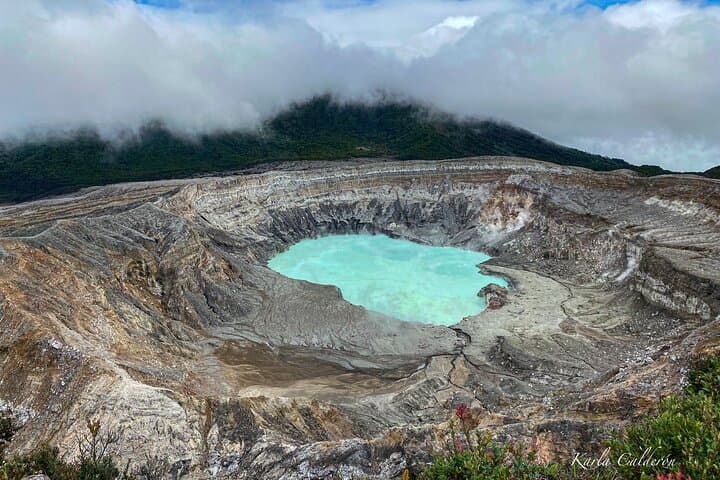
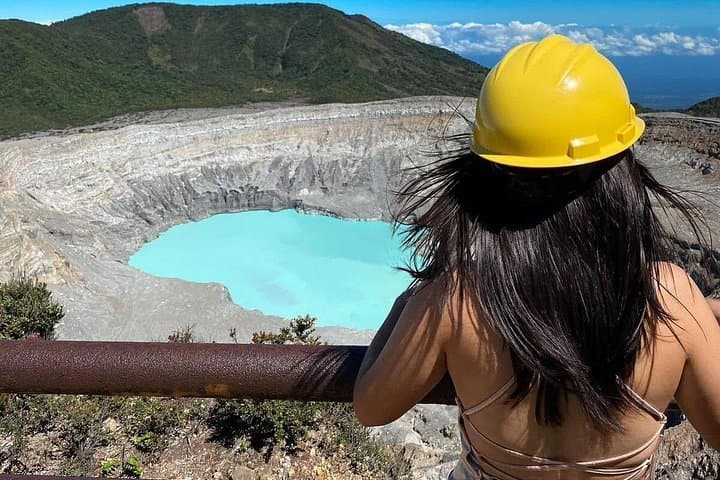
You begin before sunrise, the minivan climbing through coffee plantations as mist clings to the cloud forest. By the time you step onto the short paved trail to Poás’s main crater viewpoint, a raw, mineral scent and low hisses of volcanic gas set the scene. The rim opens to one of the planet’s largest active craters—steam rising, crater walls striped with sulfuric stains—then, minutes later, the hush of Laguna de Botos, a turquoise pool resting in an extinct crater, offers cool relief.
You begin before sunrise, the minivan climbing through coffee plantations as mist clings to the cloud forest. By the time you step onto the short paved trail to Poás’s main crater viewpoint, a raw, mineral scent and low hisses of volcanic gas set the scene. The rim opens to one of the planet’s largest active craters—steam rising, crater walls striped with sulfuric stains—then, minutes later, the hush of Laguna de Botos, a turquoise pool resting in an extinct crater, offers cool relief.
Poás is geologically young and volatile; eruptions and fumarolic activity have shaped the landscape and prompted careful park management. The surrounding cloud forest is a cultural landscape too—small family farms, local markets, and artisanal strawberry producers who’ve adapted highland microclimates to fruit and dairy products.
After crater viewpoints and a guided walk to Botos Lagoon, the tour shifts to rural life: a family-run strawberry farm where you’ll pick half a kilo of berries, sample homemade strawberry wine and rompope, and learn cultivation techniques used at elevation.
Practical guidance: plan for altitude changes, bring layers and a rain shell—the weather can flip quickly. Mornings often offer the best visibility; afternoons bring clouds and drizzle. The walking is short and easy (roughly 300 meters to the crater viewpoint, mostly paved, plus uneven farm paths). Expect a full-day outing of about 6–7 hours with private transport, lunch, and park entrance included. Keep water, sturdy shoes, and a camera ready—this trip stitches volcanic drama to pastoral pleasures with strong ethical support for local families.