THE ADVENTURE COLLECTIVE® · Independent discovery and booking for outdoor travel

A private shore excursion from Zadar that delivers Plitvice’s waterfalls and turquoise lakes on your schedule. Avoid crowds, enjoy tailored routes, and return to your ship on time.
A private shore excursion from Zadar that delivers Plitvice’s waterfalls and turquoise lakes on your schedule. Avoid crowds, enjoy tailored routes, and return to your ship on time.
Stepping off a cruise ship in Zadar, travelers are met by a driver-guide and a quiet promise: a private route through continental Croatia to Plitvice Lakes where water keeps moving, edging paths and daring visitors to pause.
Verified experiences and guided adventures in the surrounding area.
Operated by Time Travel Split · Plitvička Jezera, Lika-Senj County
Stepping off a cruise ship in Zadar, travelers are met by a driver-guide and a quiet promise: a private route through continental Croatia to Plitvice Lakes where water keeps moving, edging paths and daring visitors to pause.
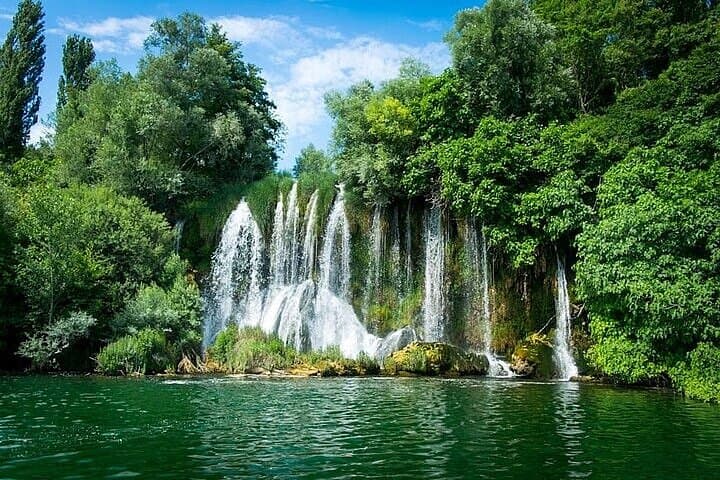
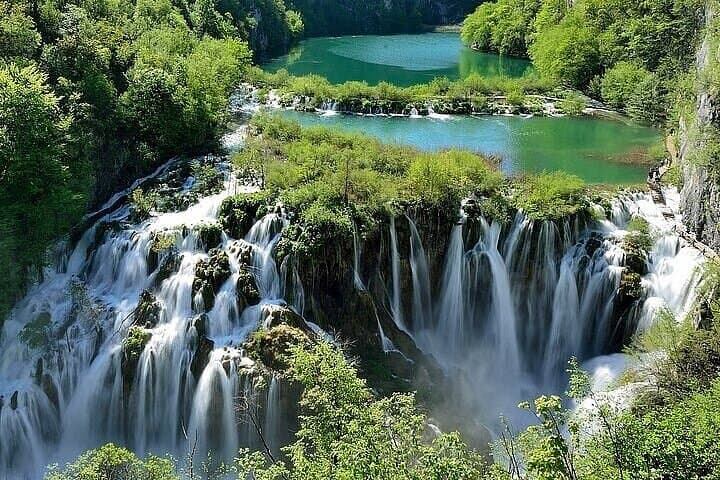
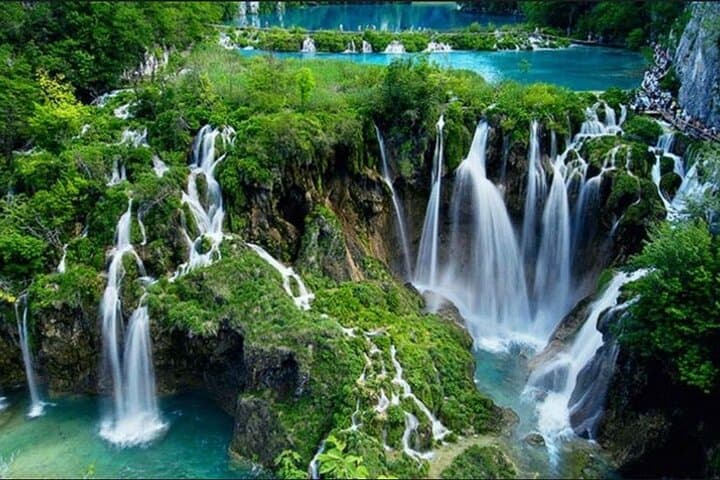
The park’s wooden walkways thread between turquoise basins and stepped waterfalls that carved limestone over millennia. Formed by travertine deposition, Plitvice’s terraces record a slow geological conversation between water and rock; culturally, the area has long been a crossroads between Dalmatian coast life and inland Lika traditions. Designated a national park in 1949 and a UNESCO site in 1979, Plitvice blends scientific interest with everyday beauty.
Travelers feel the place in stages: the hush of morning fog over Upper Lakes, the thunder of Veliki Slap, and the hush again at Kozjak’s dark, deep water where navigation moves by small electric boat. Guides often point out local stories—harvest traditions from nearby villages and wartime histories that shaped the park’s access and protection.
Practically, this tour is designed around cruise timetables: private pickup at the port, an air-conditioned transfer of roughly 1.5–2 hours each way, and a tailored 2–3 hour park visit to match ship schedules. Admission is typically not included, and some boardwalk sections can be wet or slippery—good footwear matters. Travelers should plan for changing microclimates, carry water, and leave time for a quick lunch near the lakes before returning to Zadar well before embarkation.
easy.
6–7 hours.
Suitable for travelers in light to moderate physical condition who can walk 2–4 miles on mostly flat boardwalks with short stair sections
No — admission to Plitvice Lakes is typically paid at the park entrance and is not included in this private transfer price.
The transfer takes roughly 1.5–2 hours each way depending on traffic and route, so plan for a total outing of about 6–7 hours.
Yes — a private guide will select routes and timing to minimize crowd exposure and can adjust pace to match ship schedules.
Plitvice Lakes National Park was established in 1949 and became a UNESCO World Heritage Site in 1979, protecting its distinctive travertine-formed lakes and waterfalls.
The park uses boardwalks and regulated trails to protect fragile travertine formations; visitors should stay on marked paths and pack out waste to support preservation.
Time Travel Split operates guided outdoor trips and adventures with an emphasis on safety, stewardship, and memorable experiences.

Stepping off a cruise ship in Zadar, travelers are met by a driver-guide and a quiet promise: a private route through continental Croatia to Plitvice Lakes where water keeps moving, edging paths and daring visitors to pause.
Stepping off a cruise ship in Zadar, travelers are met by a driver-guide and a quiet promise: a private route through continental Croatia to Plitvice Lakes where water keeps moving, edging paths and daring visitors to pause.
The park’s wooden walkways thread between turquoise basins and stepped waterfalls that carved limestone over millennia. Formed by travertine deposition, Plitvice’s terraces record a slow geological conversation between water and rock; culturally, the area has long been a crossroads between Dalmatian coast life and inland Lika traditions. Designated a national park in 1949 and a UNESCO site in 1979, Plitvice blends scientific interest with everyday beauty.
Travelers feel the place in stages: the hush of morning fog over Upper Lakes, the thunder of Veliki Slap, and the hush again at Kozjak’s dark, deep water where navigation moves by small electric boat. Guides often point out local stories—harvest traditions from nearby villages and wartime histories that shaped the park’s access and protection.
Practically, this tour is designed around cruise timetables: private pickup at the port, an air-conditioned transfer of roughly 1.5–2 hours each way, and a tailored 2–3 hour park visit to match ship schedules. Admission is typically not included, and some boardwalk sections can be wet or slippery—good footwear matters. Travelers should plan for changing microclimates, carry water, and leave time for a quick lunch near the lakes before returning to Zadar well before embarkation.