THE ADVENTURE COLLECTIVE® · Independent discovery and booking for outdoor travel

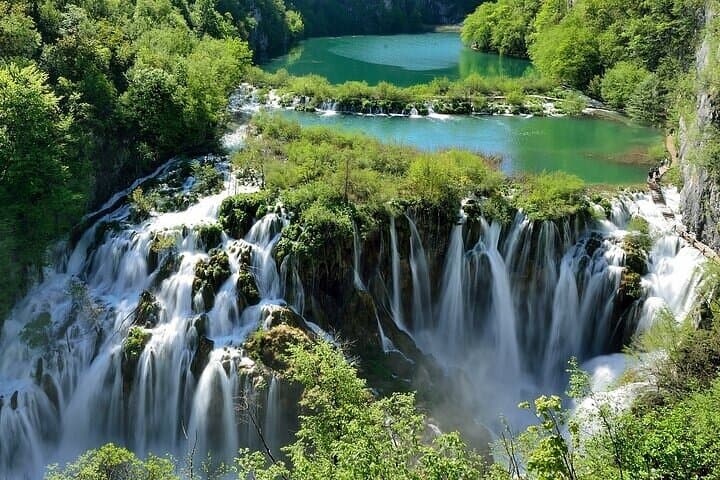
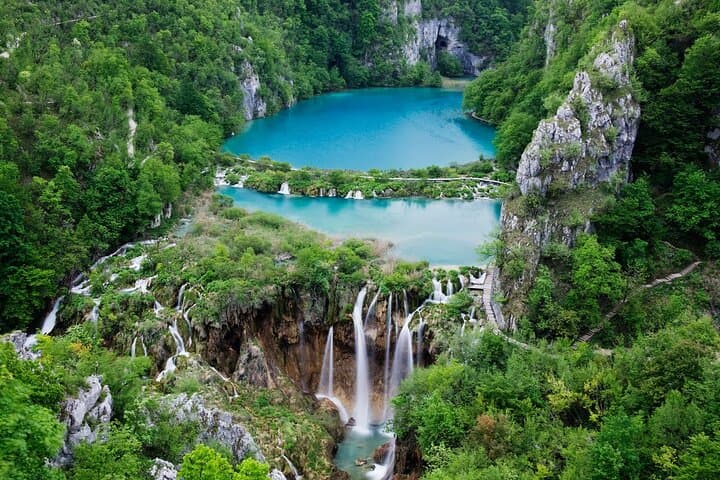
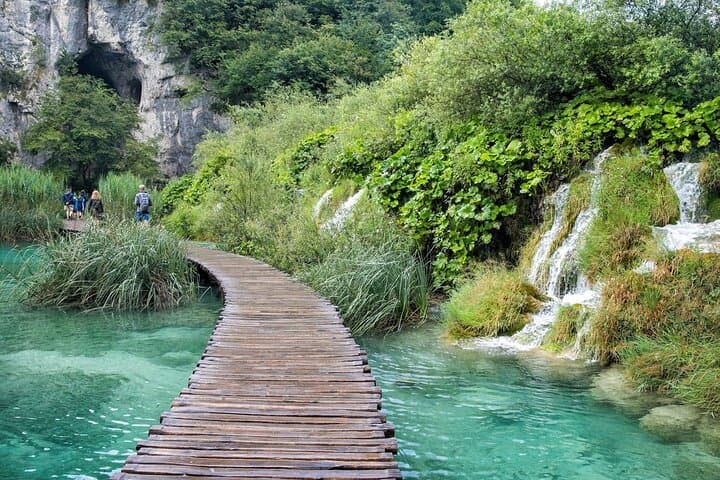
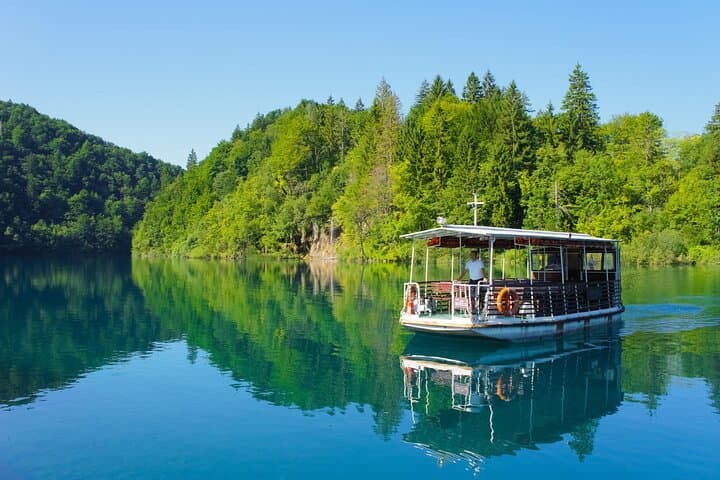
Spend a full day exploring UNESCO-listed Plitvice Lakes with a private guide and round-trip transport from Split. Walk wooden boardwalks, glide across Kozjak Lake by boat, and see Veliki Slap thunder over travertine terraces.
Spend a full day exploring UNESCO-listed Plitvice Lakes with a private guide and round-trip transport from Split. Walk wooden boardwalks, glide across Kozjak Lake by boat, and see Veliki Slap thunder over travertine terraces.
You step off the minivan into a hush of water and forest — the wooden boardwalks begin like a spine through a green bowl, and the park’s lakes, pale turquoise, reflect a sky that pushes light into every cascade.
Verified experiences and guided adventures in the surrounding area.
Operated by Time Travel Split · Plitvička Jezera, Lika-Senj
You step off the minivan into a hush of water and forest — the wooden boardwalks begin like a spine through a green bowl, and the park’s lakes, pale turquoise, reflect a sky that pushes light into every cascade.
Plitvice Lakes National Park, established in 1949 and a UNESCO site since 1979, is a geomorphologist’s classroom: travertine barriers have built up over ten thousand years to form 16 connected lakes and dozens of waterfalls. The day’s route threads through upper basins, follows rivers that dare you to slow down, then crosses Kozjak Lake by boat into the lower lakes where the Great Waterfall (Veliki Slap) thunders 78 meters.
Culturally, you’re in Lika country — a rural hinterland with shepherding roots and simple, smoked flavors in its local cuisine. Guides on private tours know quieter viewpoints, the best angles for photographing travertine rims and where the forest opens to let in light.
Practicalities: the full experience from Split is a long day (expect 10–12 hours including round-trip drive); plan on 4–5 hours of walking on mixtures of packed dirt, stone steps and narrow wooden paths (about 5–7 km inside the park with roughly 100–200 m cumulative elevation). Wear sturdy, grippy shoes; bring layered clothing and a refillable water bottle. Follow park rules: stay on boardwalks, don’t swim, and arrive early or late in the day to avoid the biggest crowds. With a private guide and transport, you trade convenience for time — and get the freedom to explore lesser-known corners of one of Europe’s most animated landscapes.
moderate.
10–12 hours (including transport); 4–5 hours inside park.
Comfortable with several hours of continuous walking on uneven wooden and stone paths; able to manage stairs and short climbs.
Driving from Split to Plitvice Lakes takes about 2.5–3 hours each way, so expect a full 10–12 hour day including park time.
Check your booking details; some private tours include park admission while others require you to pay entry on arrival—confirm before departure.
Many main paths are stroller-accessible but boardwalks and steps can be awkward—infants and small children are possible with a sturdy stroller or carrier; follow guide advice.
No—swimming in Plitvice Lakes is prohibited to protect the travertine formations and water quality.
Plitvice was Croatia’s first national park (1949) and was inscribed on the UNESCO World Heritage List in 1979 for its unique travertine-barrier landscape.
Visitor pressure can erode travertine and disturb wildlife—stay on trails, pack out trash, and use official services to minimize impact.
Time Travel Split operates guided outdoor trips and adventures with an emphasis on safety, stewardship, and memorable experiences.
You step off the minivan into a hush of water and forest — the wooden boardwalks begin like a spine through a green bowl, and the park’s lakes, pale turquoise, reflect a sky that pushes light into every cascade.
You step off the minivan into a hush of water and forest — the wooden boardwalks begin like a spine through a green bowl, and the park’s lakes, pale turquoise, reflect a sky that pushes light into every cascade.
Plitvice Lakes National Park, established in 1949 and a UNESCO site since 1979, is a geomorphologist’s classroom: travertine barriers have built up over ten thousand years to form 16 connected lakes and dozens of waterfalls. The day’s route threads through upper basins, follows rivers that dare you to slow down, then crosses Kozjak Lake by boat into the lower lakes where the Great Waterfall (Veliki Slap) thunders 78 meters.
Culturally, you’re in Lika country — a rural hinterland with shepherding roots and simple, smoked flavors in its local cuisine. Guides on private tours know quieter viewpoints, the best angles for photographing travertine rims and where the forest opens to let in light.
Practicalities: the full experience from Split is a long day (expect 10–12 hours including round-trip drive); plan on 4–5 hours of walking on mixtures of packed dirt, stone steps and narrow wooden paths (about 5–7 km inside the park with roughly 100–200 m cumulative elevation). Wear sturdy, grippy shoes; bring layered clothing and a refillable water bottle. Follow park rules: stay on boardwalks, don’t swim, and arrive early or late in the day to avoid the biggest crowds. With a private guide and transport, you trade convenience for time — and get the freedom to explore lesser-known corners of one of Europe’s most animated landscapes.