THE ADVENTURE COLLECTIVE® · Independent discovery and booking for outdoor travel

A full-day private tour from Split takes you into Plitvice Lakes National Park to walk wooden boardwalks above 16 travertine-carved lakes and cascading waterfalls. Expect forested trails, a Kozjak boat crossing, and clear guidance on practical logistics.
A full-day private tour from Split takes you into Plitvice Lakes National Park to walk wooden boardwalks above 16 travertine-carved lakes and cascading waterfalls. Expect forested trails, a Kozjak boat crossing, and clear guidance on practical logistics.
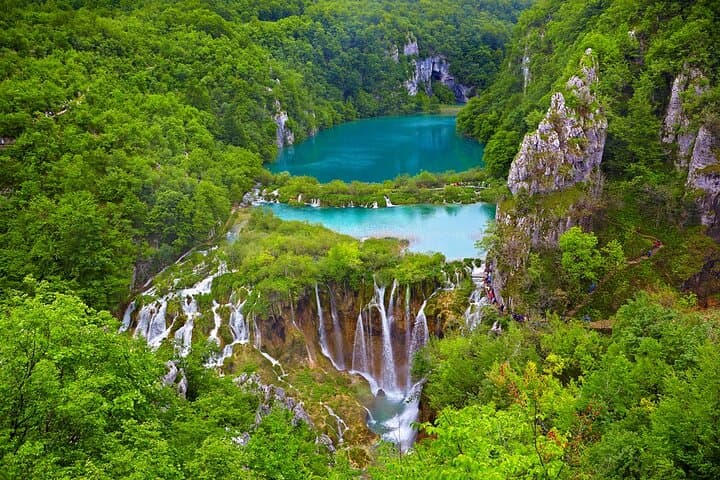
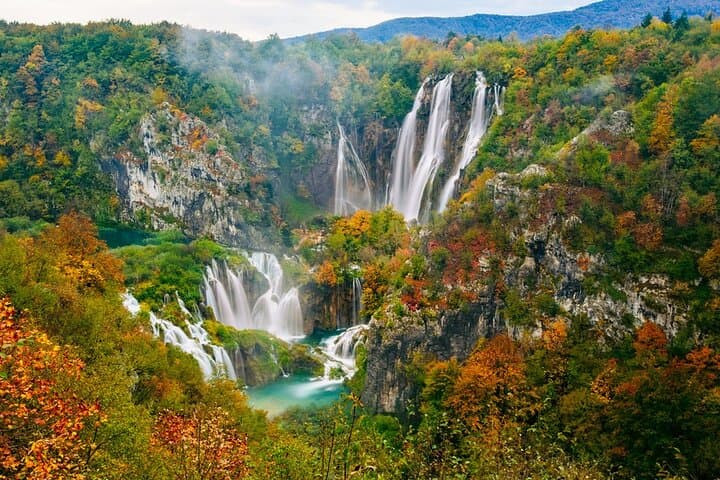
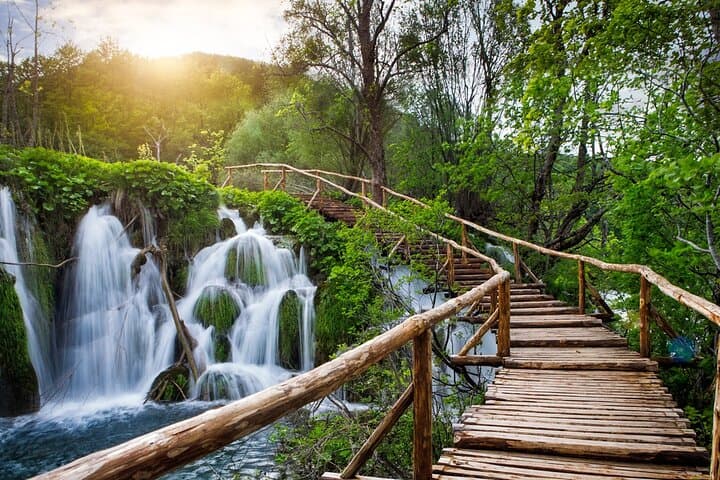
You leave Split while the city is still waking and drive into the karst highlands—pine and beech forests sharpen against a sky that can flip from sun to mist in an hour. Plitvice appears as a string of glassy basins and foaming falls; wooden boardwalks thread over turquoise pools while a larger cascade, Veliki Slap, announces itself with a roar.
Verified experiences and guided adventures in the surrounding area.
Operated by Palma Travel DMC · Plitvička Jezera, Lika-Senj County
You leave Split while the city is still waking and drive into the karst highlands—pine and beech forests sharpen against a sky that can flip from sun to mist in an hour. Plitvice appears as a string of glassy basins and foaming falls; wooden boardwalks thread over turquoise pools while a larger cascade, Veliki Slap, announces itself with a roar.
Plitvice Lakes National Park has been protected since 1979 as a UNESCO World Heritage site. Its 16 lakes are created by travertine (tufa) barriers that slowly build up from calcium-rich spring water, producing the stepped basins and constant new deposits. The park sits in Croatia’s Lika-Senj county, a landscape shaped by glacial and karst processes and a long rural culture of shepherding and forestry.
On a private full-day tour from Split (about 2.5–3 hours each way), expect a mix of driving, guided boardwalk loops, a possible boat crossing on Kozjak Lake, and lookout stops. The walking is generally on well-maintained paths and wooden ramps, but there are stairs and wet surfaces.
Practical guidance: bring waterproof footwear with grip, layered clothing, and a refillable water bottle; plan to buy park entrance fees separately at the park; allow 2–4 hours inside the park for a solid visit on a tight schedule. Respect marked trails and no-swim rules—the travertine formations are fragile. Early starts and weekday visits minimize crowds and make the light better for photos.
easy.
10 hours.
Suitable for most fitness levels; expect 2–4 hours of low-impact walking with some stairs and uneven sections
Expect about 2.5–3 hours each way depending on traffic and stops—this private tour is a full day (around 10 hours total).
No—entrance fees and any internal shuttle or boat tickets are paid at the park; the tour covers private transportation and a guide as listed in the inclusions.
Main boardwalks are fairly even in places but there are many steps and some uneven ramps; certain areas accommodate strollers while others do not—check with the operator for specific pickup/drop-off and routing options.
No—swimming is prohibited to protect the travertine formations and water quality; stay on designated paths and viewing areas.
The park’s limestone and travertine terraces formed over millennia; the area has long been a seasonal grazing landscape in the Lika region.
The travertine that creates the lakes is highly delicate—stay on paths, avoid litter, and follow no-swim rules to reduce erosion and water pollution.
Palma Travel DMC operates guided outdoor trips and adventures with an emphasis on safety, stewardship, and memorable experiences.

You leave Split while the city is still waking and drive into the karst highlands—pine and beech forests sharpen against a sky that can flip from sun to mist in an hour. Plitvice appears as a string of glassy basins and foaming falls; wooden boardwalks thread over turquoise pools while a larger cascade, Veliki Slap, announces itself with a roar.
You leave Split while the city is still waking and drive into the karst highlands—pine and beech forests sharpen against a sky that can flip from sun to mist in an hour. Plitvice appears as a string of glassy basins and foaming falls; wooden boardwalks thread over turquoise pools while a larger cascade, Veliki Slap, announces itself with a roar.
Plitvice Lakes National Park has been protected since 1979 as a UNESCO World Heritage site. Its 16 lakes are created by travertine (tufa) barriers that slowly build up from calcium-rich spring water, producing the stepped basins and constant new deposits. The park sits in Croatia’s Lika-Senj county, a landscape shaped by glacial and karst processes and a long rural culture of shepherding and forestry.
On a private full-day tour from Split (about 2.5–3 hours each way), expect a mix of driving, guided boardwalk loops, a possible boat crossing on Kozjak Lake, and lookout stops. The walking is generally on well-maintained paths and wooden ramps, but there are stairs and wet surfaces.
Practical guidance: bring waterproof footwear with grip, layered clothing, and a refillable water bottle; plan to buy park entrance fees separately at the park; allow 2–4 hours inside the park for a solid visit on a tight schedule. Respect marked trails and no-swim rules—the travertine formations are fragile. Early starts and weekday visits minimize crowds and make the light better for photos.