THE ADVENTURE COLLECTIVE® · Independent discovery and booking for outdoor travel

Climb Pikes Peak in a private Land Cruiser and reach 14,115 feet without the rush of a group bus. This three- to four-hour guided drive blends scenic overlooks, historic stops like Glen Cove Lodge, and a summit visit—timed-entry fees included.
Climb Pikes Peak in a private Land Cruiser and reach 14,115 feet without the rush of a group bus. This three- to four-hour guided drive blends scenic overlooks, historic stops like Glen Cove Lodge, and a summit visit—timed-entry fees included.
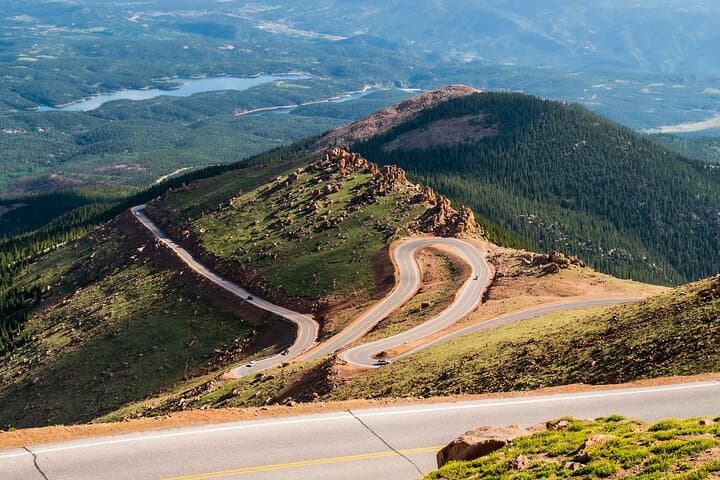
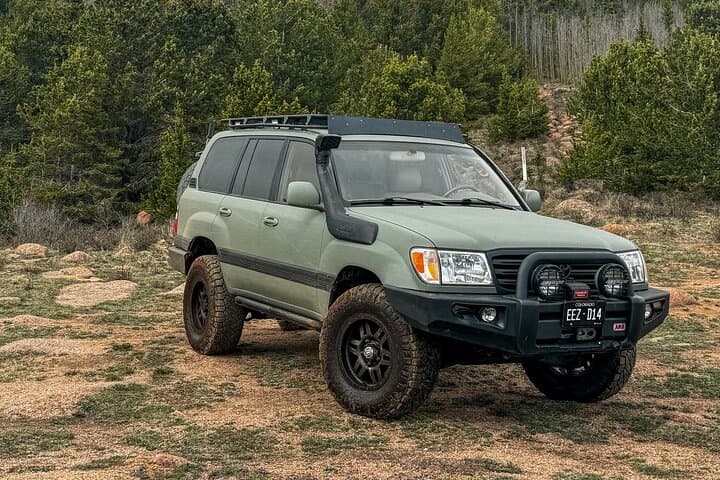
The light green Land Cruiser waits where the parking lot meets the highway, engine idling like a calm animal ready to pull you up into the thin air. As you climb, the world reshapes: scrub pines flatten into krummholz, and the road curves past reservoirs that flash cold blue in the sun. Wind tugs at the windows; the mountain seems to measure your breath.
Verified experiences and guided adventures in the surrounding area.
Operated by Ridgeline Tours · Colorado Springs, Colorado
The light green Land Cruiser waits where the parking lot meets the highway, engine idling like a calm animal ready to pull you up into the thin air. As you climb, the world reshapes: scrub pines flatten into krummholz, and the road curves past reservoirs that flash cold blue in the sun. Wind tugs at the windows; the mountain seems to measure your breath.
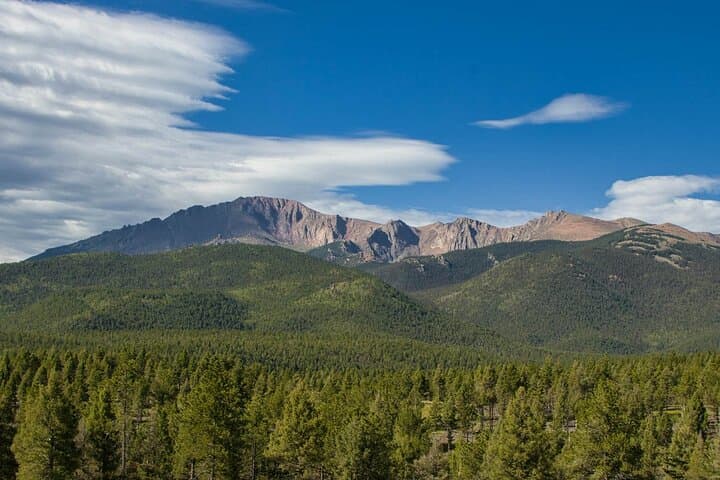
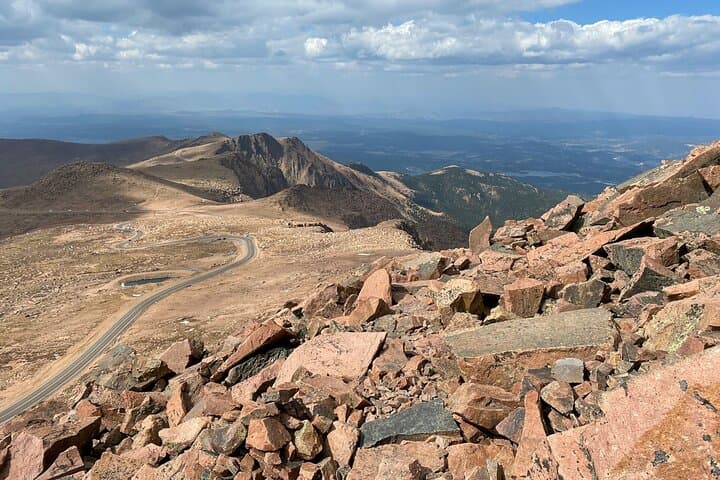
Pikes Peak is an old island of granite thrust skyward by forces that began more than a billion years ago—the pink Pikes Peak granite that gives the slopes a warm hue at sunrise. The Highway itself is a relatively modern route, a paved ribbon finished in the early 20th century to allow easier access to the summit; an iron-era cog railway once vied for visitors, and the mountain helped inspire Katherine Lee Bates’ “America the Beautiful” after she stood near its top in 1893.
This private tour trades the scripted narration of group shuttles for a flexible, personal climb. The guide in your Land Cruiser adapts stops to the light and the interests of the passengers: a ten-minute pause at North Catamount Reservoir for reflections and fly-fishing stories; a longer break at Glen Cove Lodge where the logs and old photographs trace early alpine tourism; then the final stretch to the Summit House at 14,115 feet, where high-altitude air sharpens the view and the famous summit donuts are still warm.
Practicalities shape the enjoyment here. The drive is 3–4 hours round-trip, including multiple photo stops and a summit pause; the timed-entry fee and highway permit are covered by the tour. Altitude is the real variable—headaches, light-headedness, and shortness of breath are common for anyone new to 10,000+ feet. Hydrate before you arrive, move slowly when you step out, and plan a warm layer: the summit can be 30–40°F colder than Colorado Springs and storms build fast in summer afternoons.
For photographers, the hardest light is midday; early mornings and late afternoons reward you with clearer vistas and richer contrast on the pink granite. Bring a jacket, good shoes for short summit walks, and sunscreen—the mountain’s thinner air amplifies UV.
If you want a quieter experience, schedule the tour for early morning to dodge crowds and afternoon thunderstorms. The private format makes spontaneous stops possible—ask to linger by a reservoir, step into Glen Cove for a cup of coffee, or time a summit shot for the quiet minute between guided groups. This is a drive that hands you the mountain and asks you to pay attention.
easy.
3–4 hours.
Minimal fitness required for the drive; be able to walk short paved and rocky sections at high elevation.
The private tour runs about 3–4 hours round-trip, including stops at reservoirs, Glen Cove Lodge, and the summit.
Yes—the itinerary includes time at the Summit House at 14,115 feet; highway and timed-entry fees are covered.
Yes—restrooms are available at Glen Cove Lodge and at the Summit House; vehicles stop as needed.
Pikes Peak Highway can close for snow and maintenance; the tour operator monitors conditions and will cancel for safety or bad weather.
The drive is suitable for most ages, but it’s not recommended for infants under two, pregnant travelers, or people with serious heart conditions due to altitude.
Strollers are acceptable for infants and small children; accessibility for wheelchairs is limited at some overlook spots—ask the operator for details.
Pikes Peak’s name honors explorer Zebulon Pike; the mountain and surrounding routes played a central role in early Colorado tourism and inspired the poem that became “America the Beautiful.”
The Pikes Peak Highway operates under strict permit controls and timed entries to limit traffic and erosion; visitors are asked to stay on roads and designated overlooks to protect fragile alpine soils.
Ridgeline Tours operates guided outdoor trips and adventures with an emphasis on safety, stewardship, and memorable experiences.
The light green Land Cruiser waits where the parking lot meets the highway, engine idling like a calm animal ready to pull you up into the thin air. As you climb, the world reshapes: scrub pines flatten into krummholz, and the road curves past reservoirs that flash cold blue in the sun. Wind tugs at the windows; the mountain seems to measure your breath.
The light green Land Cruiser waits where the parking lot meets the highway, engine idling like a calm animal ready to pull you up into the thin air. As you climb, the world reshapes: scrub pines flatten into krummholz, and the road curves past reservoirs that flash cold blue in the sun. Wind tugs at the windows; the mountain seems to measure your breath.
Pikes Peak is an old island of granite thrust skyward by forces that began more than a billion years ago—the pink Pikes Peak granite that gives the slopes a warm hue at sunrise. The Highway itself is a relatively modern route, a paved ribbon finished in the early 20th century to allow easier access to the summit; an iron-era cog railway once vied for visitors, and the mountain helped inspire Katherine Lee Bates’ “America the Beautiful” after she stood near its top in 1893.
This private tour trades the scripted narration of group shuttles for a flexible, personal climb. The guide in your Land Cruiser adapts stops to the light and the interests of the passengers: a ten-minute pause at North Catamount Reservoir for reflections and fly-fishing stories; a longer break at Glen Cove Lodge where the logs and old photographs trace early alpine tourism; then the final stretch to the Summit House at 14,115 feet, where high-altitude air sharpens the view and the famous summit donuts are still warm.
Practicalities shape the enjoyment here. The drive is 3–4 hours round-trip, including multiple photo stops and a summit pause; the timed-entry fee and highway permit are covered by the tour. Altitude is the real variable—headaches, light-headedness, and shortness of breath are common for anyone new to 10,000+ feet. Hydrate before you arrive, move slowly when you step out, and plan a warm layer: the summit can be 30–40°F colder than Colorado Springs and storms build fast in summer afternoons.
For photographers, the hardest light is midday; early mornings and late afternoons reward you with clearer vistas and richer contrast on the pink granite. Bring a jacket, good shoes for short summit walks, and sunscreen—the mountain’s thinner air amplifies UV.
If you want a quieter experience, schedule the tour for early morning to dodge crowds and afternoon thunderstorms. The private format makes spontaneous stops possible—ask to linger by a reservoir, step into Glen Cove for a cup of coffee, or time a summit shot for the quiet minute between guided groups. This is a drive that hands you the mountain and asks you to pay attention.