THE ADVENTURE COLLECTIVE® · Independent discovery and booking for outdoor travel

Swap the city skyline for black sand, rainforest hush, and a volcanic crater in one private five‑hour loop. A local guide leads you from Arataki’s lookout through Kitekite Falls and Piha’s surf to the summit of Maungawhau (Mount Eden).
Swap the city skyline for black sand, rainforest hush, and a volcanic crater in one private five‑hour loop. A local guide leads you from Arataki’s lookout through Kitekite Falls and Piha’s surf to the summit of Maungawhau (Mount Eden).
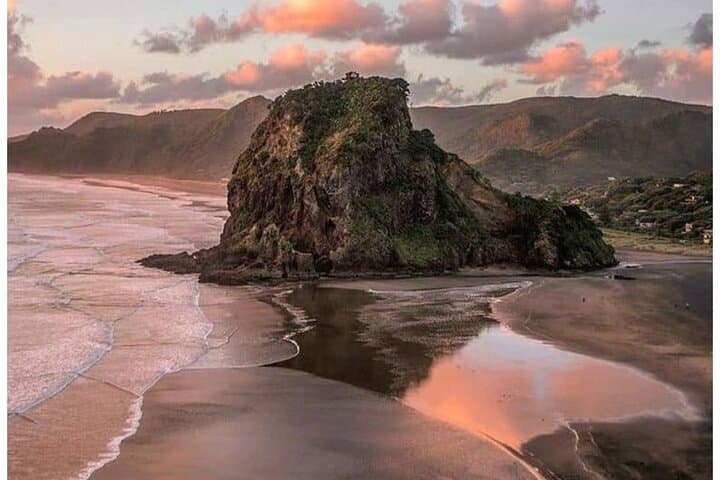
You start the morning above the city, the wind of the Tasman Sea already in your face as the Arataki Visitor Centre opens its deck to a wide, bracing horizon. The guide points out the ragged teeth of the west coast—black beaches, steep ridgelines, and the dark thumbprint of Lion Rock at Piha—while kōwhai and kānuka lean into the breeze. The air tastes of salt and wet earth; the forest behind you hums with tūī song.
Verified experiences and guided adventures in the surrounding area.
Operated by HOPinCAB · Piha, Auckland Region
You start the morning above the city, the wind of the Tasman Sea already in your face as the Arataki Visitor Centre opens its deck to a wide, bracing horizon. The guide points out the ragged teeth of the west coast—black beaches, steep ridgelines, and the dark thumbprint of Lion Rock at Piha—while kōwhai and kānuka lean into the breeze. The air tastes of salt and wet earth; the forest behind you hums with tūī song.
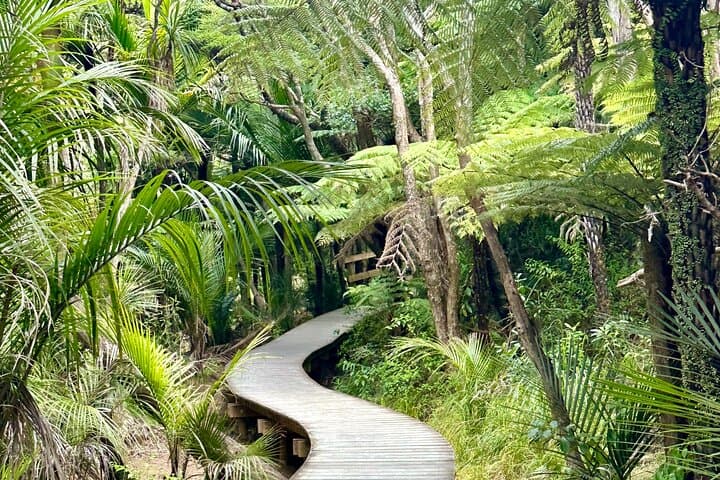
This five-hour private loop stitches together Auckland’s geological and cultural chapters. Mount Eden (Maungawhau) is the easiest first chapter: a classic scoria cone from the Auckland volcanic field with a 50‑meter crater rim that frames the city like an amphitheater. Descend and the landscape changes—coastal scrub, pōhutukawa, and then the dense green of the Waitākere rainforest where ancient kauri trunks hold court and ferns unfurl in the shade.
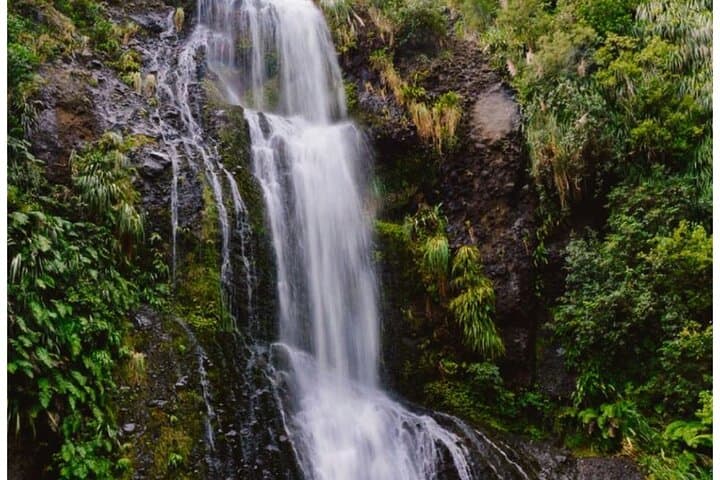
Kitekite Falls arrives with the steady voice of water, dropping six tiers into a pool that tempts even the wary with its clarity. The falls are an example of how erosion and volcanic soils sculpt the west coast—water daring roots and rock to rearrange themselves over time. Mercer Bay Loop then carries you along cliff edges where the Tasman Sea tests the shore; waves jab at basalt shelves and send spray toward the track.
Piha itself reads like a short, fierce novel: the sand is black from volcanic fragments ground fine by surf, Lion Rock stands as a cultural marker—Māori stories and pa site remains still visible in the landscape. A local guide will weave history into each stop, translating place names and pointing out features you could miss on your own.
Practical edge: this tour is private and paced to your group, but the west coast is weather-first country. Tides and surf can change the character of Piha in hours; swimming here requires respect and local advice. Wear grippy shoes for damp trails and cliff viewpoints, and bring a light waterproof layer even if the sun is out—coastal squalls move fast.
Conservation is part of the visit. The Waitākere Ranges are affected by kauri dieback; visitors are typically asked to keep to formed tracks and clean footwear between sites. Bring a small towel and follow your guide’s cleaning protocols.
For photographers and hikers who like to move between city panoramas and raw coastal scenery in a single morning, this private five‑hour tour delivers: volcanic form, rainforest hush, thundering surf, and a curator—your guide—who ties it all back to the land and its people.
easy.
5 hours.
Suitable for most fitness levels; expect moderate walking on uneven coastal and forest trails with some steps.
No special fitness is required—walks are short to moderate and the tour is private so your guide can adjust pace for your group.
Swimming at Kitekite’s lower pool is possible in calm conditions; Piha has strong rips—only swim where your guide indicates it is safe.
Yes—private, air‑conditioned transport is provided from Auckland CBD hotels or agreed pickup points.
Some viewpoints at Arataki and Mount Eden are accessible, but coastal tracks and waterfall approaches involve uneven surfaces—contact the operator to discuss needs.
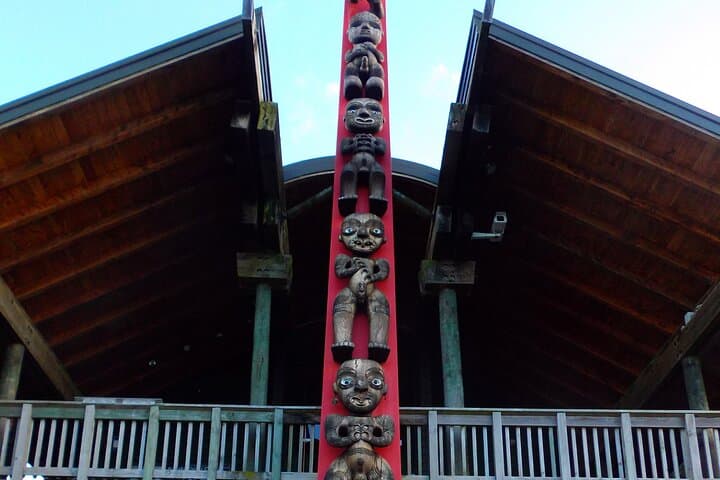
Yes—guides include cultural context, place names, and stories tied to Maungawhau, Piha, and the Waitākere Ranges.
Full refund available if you cancel at least 24 hours before departure; check the booking terms for details.
Maungawhau (Mount Eden) was a significant Māori pā; visible terraces and earthworks mark historical habitation and gardening practices.
The Waitākere Ranges face threats from kauri dieback and predator-driven bird declines—staying on tracks and using cleaning stations helps protect fragile ecosystems.
HOPinCAB operates guided outdoor trips and adventures with an emphasis on safety, stewardship, and memorable experiences.
You start the morning above the city, the wind of the Tasman Sea already in your face as the Arataki Visitor Centre opens its deck to a wide, bracing horizon. The guide points out the ragged teeth of the west coast—black beaches, steep ridgelines, and the dark thumbprint of Lion Rock at Piha—while kōwhai and kānuka lean into the breeze. The air tastes of salt and wet earth; the forest behind you hums with tūī song.
You start the morning above the city, the wind of the Tasman Sea already in your face as the Arataki Visitor Centre opens its deck to a wide, bracing horizon. The guide points out the ragged teeth of the west coast—black beaches, steep ridgelines, and the dark thumbprint of Lion Rock at Piha—while kōwhai and kānuka lean into the breeze. The air tastes of salt and wet earth; the forest behind you hums with tūī song.
This five-hour private loop stitches together Auckland’s geological and cultural chapters. Mount Eden (Maungawhau) is the easiest first chapter: a classic scoria cone from the Auckland volcanic field with a 50‑meter crater rim that frames the city like an amphitheater. Descend and the landscape changes—coastal scrub, pōhutukawa, and then the dense green of the Waitākere rainforest where ancient kauri trunks hold court and ferns unfurl in the shade.
Kitekite Falls arrives with the steady voice of water, dropping six tiers into a pool that tempts even the wary with its clarity. The falls are an example of how erosion and volcanic soils sculpt the west coast—water daring roots and rock to rearrange themselves over time. Mercer Bay Loop then carries you along cliff edges where the Tasman Sea tests the shore; waves jab at basalt shelves and send spray toward the track.
Piha itself reads like a short, fierce novel: the sand is black from volcanic fragments ground fine by surf, Lion Rock stands as a cultural marker—Māori stories and pa site remains still visible in the landscape. A local guide will weave history into each stop, translating place names and pointing out features you could miss on your own.
Practical edge: this tour is private and paced to your group, but the west coast is weather-first country. Tides and surf can change the character of Piha in hours; swimming here requires respect and local advice. Wear grippy shoes for damp trails and cliff viewpoints, and bring a light waterproof layer even if the sun is out—coastal squalls move fast.
Conservation is part of the visit. The Waitākere Ranges are affected by kauri dieback; visitors are typically asked to keep to formed tracks and clean footwear between sites. Bring a small towel and follow your guide’s cleaning protocols.
For photographers and hikers who like to move between city panoramas and raw coastal scenery in a single morning, this private five‑hour tour delivers: volcanic form, rainforest hush, thundering surf, and a curator—your guide—who ties it all back to the land and its people.