THE ADVENTURE COLLECTIVE® · Independent discovery and booking for outdoor travel

Drive across black lava and duck behind low stone walls to taste wines grown where sea and fire meet. This half‑day private tour through Pico’s UNESCO vineyards pairs history and geology with three native wine tastings.
Drive across black lava and duck behind low stone walls to taste wines grown where sea and fire meet. This half‑day private tour through Pico’s UNESCO vineyards pairs history and geology with three native wine tastings.
You step out of the van onto rough black rock: low basalt walls cut the wind like a maze, and the Atlantic keeps an impatient rhythm on the shoreline. The vineyard plots here are small, deliberate scars on lava—grapevines threaded through stone currais that shelter them from salt spray and gusts. The air smells faintly saline and mineral; the guide points to rows of Verdelho and other native varieties that have survived centuries of volcanic change.
Verified experiences and guided adventures in the surrounding area.
Operated by Atlantic Brine · Madalena, Azores
You step out of the van onto rough black rock: low basalt walls cut the wind like a maze, and the Atlantic keeps an impatient rhythm on the shoreline. The vineyard plots here are small, deliberate scars on lava—grapevines threaded through stone currais that shelter them from salt spray and gusts. The air smells faintly saline and mineral; the guide points to rows of Verdelho and other native varieties that have survived centuries of volcanic change.
Pico’s wine history stretches back to the 19th century when island producers exported wines across the Atlantic. The UNESCO-listed Landscape of the Pico Island Vineyard Culture preserves those human-made fields—an agricultural system born from recent lava flows and harsh weather. Geology is obvious: black pahoehoe and a thin soil layer force growers to coax flavor from necessity. Culturally, these vineyards reflect communal resilience; small villages like Santa Luzia and Arcos grew around wine-making and still host narrow lanes and traditional stone houses.
On this half-day private tour expect short coastal walks between lookouts and three tasting pours at a local winery. Practical notes: the route is mostly flat but over uneven volcanic rock—sturdy shoes matter. Tours run 3–4 hours with transportation included; mornings bring calmer seas and softer light for photos. Bring a windlayer, sun protection, and a reusable bottle—hydration is simple but essential when the wind is constant. For travelers curious about terroir, conservation and revival of old grape strains are part of the conversation, making this more than a tasting: it’s a study in place.
easy.
3–4 hours.
Suitable for most fitness levels; involves short, easy walks over uneven volcanic rock.
The private tour runs approximately 3–4 hours (180–240 minutes), including transportation and tastings.
Yes—transportation between vineyard stops and the final winery is included in the tour duration.
The itinerary includes a tasting of three white wines made from native grape varieties at a local producer.
The tour is rated easy but involves uneven surfaces and short walks on volcanic rock; contact the operator ahead to discuss specific accessibility needs.
Pico’s vineyard culture dates to the 19th century when island wines were exported globally; the stone currais system developed to protect vines from wind and salt.
Local producers focus on reviving native grape strains and maintaining dry-stone walls; visitors are encouraged to stick to paths to avoid damaging fragile soils.
Atlantic Brine operates guided outdoor trips and adventures with an emphasis on safety, stewardship, and memorable experiences.

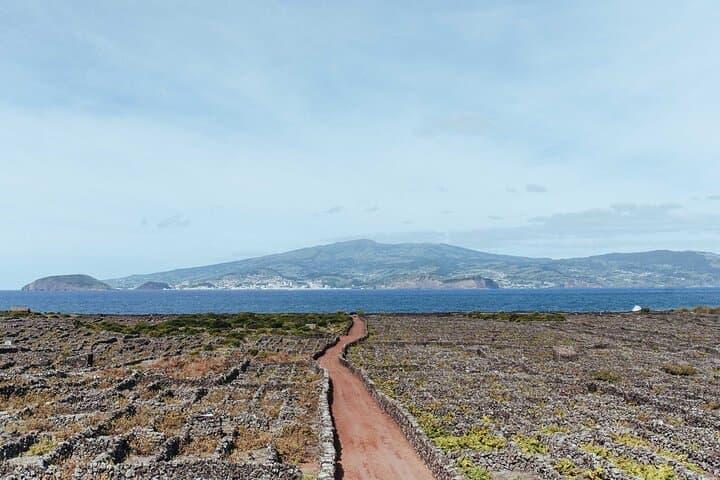
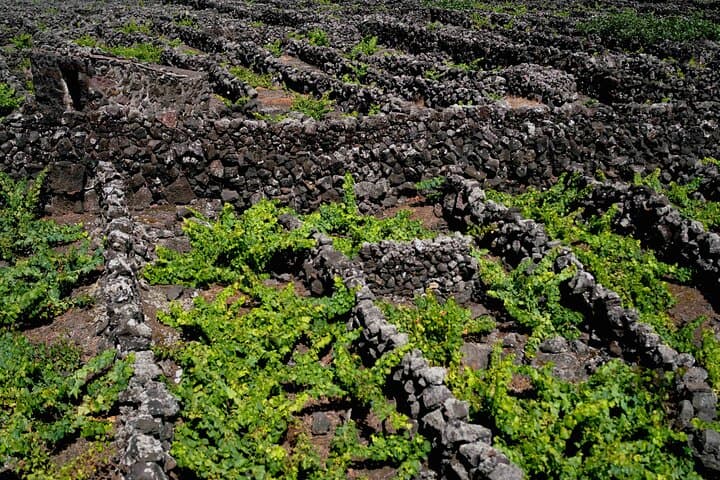
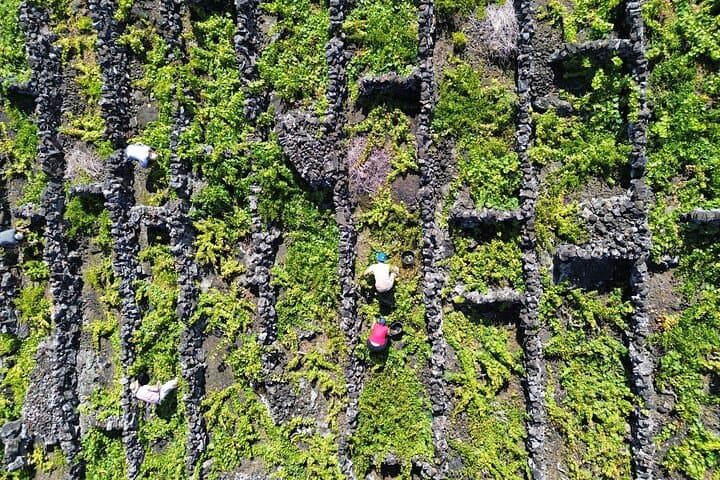
You step out of the van onto rough black rock: low basalt walls cut the wind like a maze, and the Atlantic keeps an impatient rhythm on the shoreline. The vineyard plots here are small, deliberate scars on lava—grapevines threaded through stone currais that shelter them from salt spray and gusts. The air smells faintly saline and mineral; the guide points to rows of Verdelho and other native varieties that have survived centuries of volcanic change.
You step out of the van onto rough black rock: low basalt walls cut the wind like a maze, and the Atlantic keeps an impatient rhythm on the shoreline. The vineyard plots here are small, deliberate scars on lava—grapevines threaded through stone currais that shelter them from salt spray and gusts. The air smells faintly saline and mineral; the guide points to rows of Verdelho and other native varieties that have survived centuries of volcanic change.
Pico’s wine history stretches back to the 19th century when island producers exported wines across the Atlantic. The UNESCO-listed Landscape of the Pico Island Vineyard Culture preserves those human-made fields—an agricultural system born from recent lava flows and harsh weather. Geology is obvious: black pahoehoe and a thin soil layer force growers to coax flavor from necessity. Culturally, these vineyards reflect communal resilience; small villages like Santa Luzia and Arcos grew around wine-making and still host narrow lanes and traditional stone houses.
On this half-day private tour expect short coastal walks between lookouts and three tasting pours at a local winery. Practical notes: the route is mostly flat but over uneven volcanic rock—sturdy shoes matter. Tours run 3–4 hours with transportation included; mornings bring calmer seas and softer light for photos. Bring a windlayer, sun protection, and a reusable bottle—hydration is simple but essential when the wind is constant. For travelers curious about terroir, conservation and revival of old grape strains are part of the conversation, making this more than a tasting: it’s a study in place.