THE ADVENTURE COLLECTIVE® · Independent discovery and booking for outdoor travel

Spend three hours inside the Maungarongapu cave system on a private photography tour focused on glowworms and low-light techniques. Small groups, extended shooting time, and provided caving gear make this a focused opportunity for serious photographers.
Spend three hours inside the Maungarongapu cave system on a private photography tour focused on glowworms and low-light techniques. Small groups, extended shooting time, and provided caving gear make this a focused opportunity for serious photographers.
The guide leads the small group off the track and into cool, dark limestone—air thick with the mineral scent of rainwater on rock. Light from a headlamp sketches flowstone ribs, then gives way to the impossible: a ceiling studded with countless blue-green points. The glowworms don’t just hang; they command attention, their threads of light pulling the eye deeper into the cave.
Verified experiences and guided adventures in the surrounding area.
Operated by Down to Earth - Waitomo Eco Cave Tours · Waitomo Village, Waikato
The guide leads the small group off the track and into cool, dark limestone—air thick with the mineral scent of rainwater on rock. Light from a headlamp sketches flowstone ribs, then gives way to the impossible: a ceiling studded with countless blue-green points. The glowworms don’t just hang; they command attention, their threads of light pulling the eye deeper into the cave.
The Maungarongapu system sits within the broader Waitomo karst, a landscape carved over millions of years by underground rivers. Māori have long regarded these caves as places of significance; the present-day Department of Conservation classifies parts of the district as internationally important for their geology and biota. The glowworm (Arachnocampa luminosa) is endemic to New Zealand and thrives in the stable, humid microclimate of these passages.
On a private photography tour, participants get time and space to work: tripods and larger cameras are permitted, and guides help frame low-light exposures while protecting sensitive cave life. The operator supplies caving clothing, helmets, and headlamps, plus tea and a warm shower afterward—practical touches that turn a technical shoot into a manageable field session.
Plan for narrow passages and wet floors; the tour demands moderate fitness and steady footing rather than technical climbing. Bring spare batteries, a compact tripod, and a spare memory card. Respect the glowworms—avoid flash and let the guide demonstrate best viewing distances. A three-hour window offers enough time to settle into long exposures and come away with images that reflect the cave’s strange, bioluminescent calm.
moderate.
3 hours.
Participants should be comfortable walking on uneven, wet surfaces and able to crouch or scramble in narrow passages.
Yes—this photography tour permits larger camera bodies and small tripods, and the guide will advise on positioning to protect cave life.
Minimum age is 11; children must be accompanied by an adult and have the required fitness to navigate wet, uneven terrain.
The tour is not recommended for people with significant mobility issues or spinal injuries due to narrow passages and uneven footing.
Tours may be cancelled in adverse conditions; full refunds are available if cancelled at least 24 hours before the departure time.
Local Māori used cave networks for seasonal access and valued them as taonga; the Waitomo caves were later studied by European naturalists and are recognized for international geologic importance.
Guides follow Department of Conservation guidelines—stay on marked routes, avoid touching formations, and limit light exposure to protect glowworm colonies.
Down to Earth - Waitomo Eco Cave Tours operates guided outdoor trips and adventures with an emphasis on safety, stewardship, and memorable experiences.
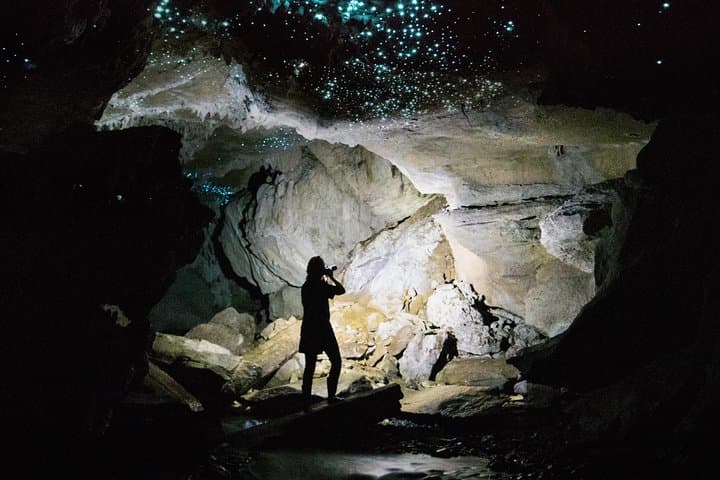

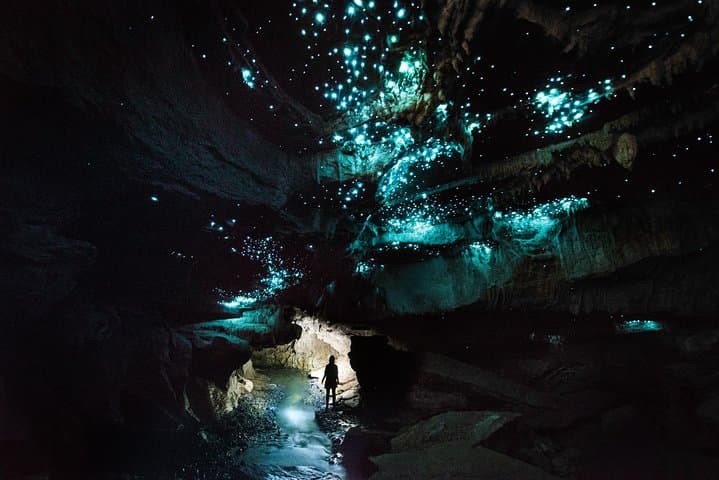

The guide leads the small group off the track and into cool, dark limestone—air thick with the mineral scent of rainwater on rock. Light from a headlamp sketches flowstone ribs, then gives way to the impossible: a ceiling studded with countless blue-green points. The glowworms don’t just hang; they command attention, their threads of light pulling the eye deeper into the cave.
The guide leads the small group off the track and into cool, dark limestone—air thick with the mineral scent of rainwater on rock. Light from a headlamp sketches flowstone ribs, then gives way to the impossible: a ceiling studded with countless blue-green points. The glowworms don’t just hang; they command attention, their threads of light pulling the eye deeper into the cave.
The Maungarongapu system sits within the broader Waitomo karst, a landscape carved over millions of years by underground rivers. Māori have long regarded these caves as places of significance; the present-day Department of Conservation classifies parts of the district as internationally important for their geology and biota. The glowworm (Arachnocampa luminosa) is endemic to New Zealand and thrives in the stable, humid microclimate of these passages.
On a private photography tour, participants get time and space to work: tripods and larger cameras are permitted, and guides help frame low-light exposures while protecting sensitive cave life. The operator supplies caving clothing, helmets, and headlamps, plus tea and a warm shower afterward—practical touches that turn a technical shoot into a manageable field session.
Plan for narrow passages and wet floors; the tour demands moderate fitness and steady footing rather than technical climbing. Bring spare batteries, a compact tripod, and a spare memory card. Respect the glowworms—avoid flash and let the guide demonstrate best viewing distances. A three-hour window offers enough time to settle into long exposures and come away with images that reflect the cave’s strange, bioluminescent calm.