THE ADVENTURE COLLECTIVE® · Independent discovery and booking for outdoor travel

A three-hour private photo tour that visits three emblematic temples in the Salt Lake Valley, pairing exterior photography with concise cultural context and a printed photo keepsake. Ideal for photographers and first-time visitors who want focused shots and informed commentary.
A three-hour private photo tour that visits three emblematic temples in the Salt Lake Valley, pairing exterior photography with concise cultural context and a printed photo keepsake. Ideal for photographers and first-time visitors who want focused shots and informed commentary.
You step from an air-conditioned vehicle onto a paved plaza as late-afternoon light skims the temple spire; the Oquirrh Mountains throw a cool shadow across the valley and the stone facade seems to hold the day's light. The tour moves like a careful photographer's sequence — framing exteriors, gardens and city vistas rather than interior sanctuaries — with the valley itself acting as a backdrop that changes with every turn.
Verified experiences and guided adventures in the surrounding area.
Operated by Utah Travel Paradise · Salt Lake City, Utah
You step from an air-conditioned vehicle onto a paved plaza as late-afternoon light skims the temple spire; the Oquirrh Mountains throw a cool shadow across the valley and the stone facade seems to hold the day's light. The tour moves like a careful photographer's sequence — framing exteriors, gardens and city vistas rather than interior sanctuaries — with the valley itself acting as a backdrop that changes with every turn.
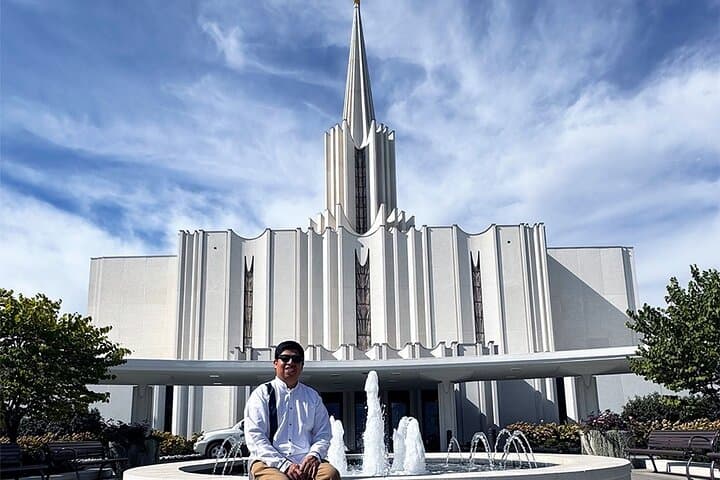
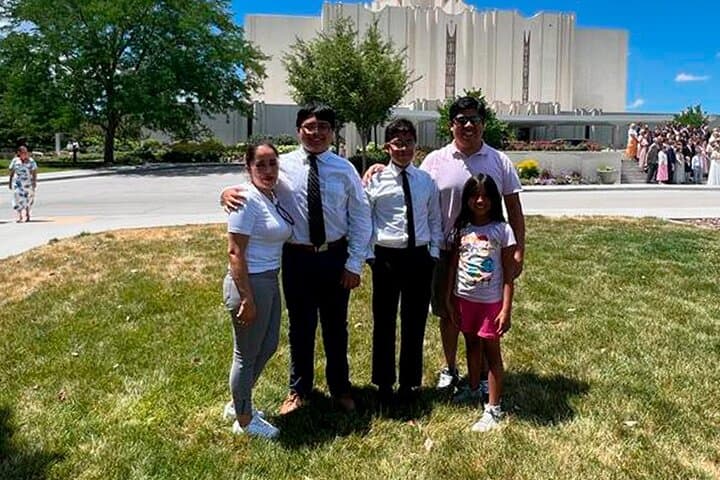
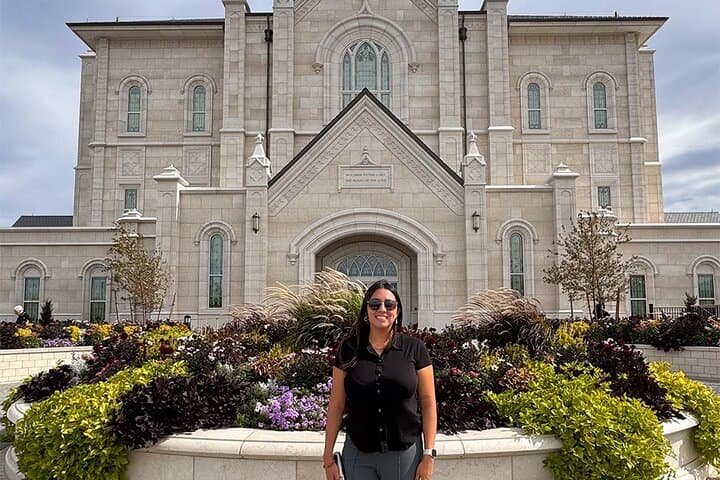
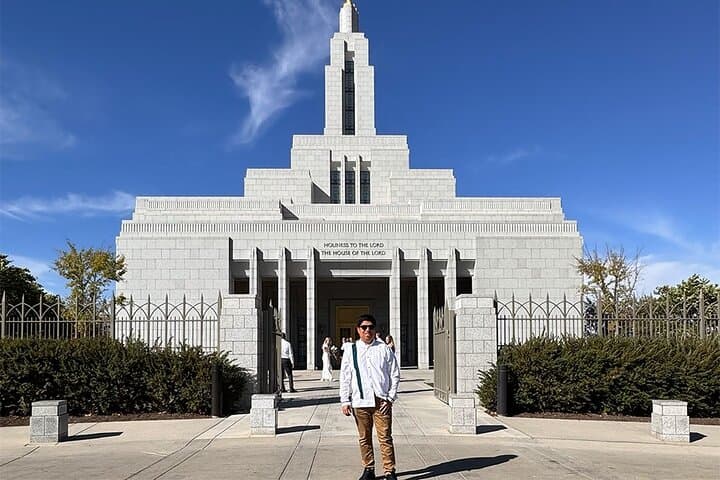
The Salt Lake Valley is the storied heart of The Church of Jesus Christ of Latter-day Saints. Settled by Mormon pioneers in 1847, the region's temples mark both religious practice and community identity. Geologically, the valley sits between the Wasatch Front and the Oquirrh Mountains — granite and basalt rising where ancient lakes once pooled — giving many temple sites dramatic foothill views. Culturally, these buildings serve as active worship sites and are treated with quiet reverence; the tour interprets architecture, gardens, and local practice while stopping at Oquirrh Mountain Temple (2009), Jordan River Temple (1981, renovated 2018), and the newly dedicated Taylorsville Temple (2024), finishing at Deseret Book for cultural artifacts and local publications.
Practical guidance: the private 3-hour loop includes short walks and photo stops with roughly 20–40 minutes per stop and roughly 30 minutes driving between some points. Bring a camera with a mid-range zoom, comfortable shoes, and a light layer — Utah weather shifts quickly. Respect posted signs: most temples are not open to non-members for interior visits, so plan for exterior compositions and garden shots. The operator provides bottled water and a printed photograph; public transit options exist for independent return trips.
easy.
3 hours.
Suitable for most fitness levels; brief, flat to gently sloped walks between stops.
Generally no — most LDS temples are open only to members in good standing; tours focus on exterior architecture, gardens and cultural interpretation.
Yes; the operator notes infants may sit on laps. Stops involve short, stroller-friendly walks but check pickup details when booking.
Photography of exteriors, grounds and public areas is allowed, but follow posted rules and staff direction; avoid photographing individuals without permission.
Public transportation and rideshare services operate in Salt Lake City; the operator lists nearby transit options but confirm local schedules for evening returns.
The Salt Lake Valley was settled by Mormon pioneers in 1847; temples have since been focal points for community, architecture and ritual in Utah's cultural landscape.
These sites are maintained landscapes; minimize impact by staying on paved paths, avoiding drone use without permission and supporting local bookstores and vendors at the tour's conclusion.
Utah Travel Paradise operates guided outdoor trips and adventures with an emphasis on safety, stewardship, and memorable experiences.
You step from an air-conditioned vehicle onto a paved plaza as late-afternoon light skims the temple spire; the Oquirrh Mountains throw a cool shadow across the valley and the stone facade seems to hold the day's light. The tour moves like a careful photographer's sequence — framing exteriors, gardens and city vistas rather than interior sanctuaries — with the valley itself acting as a backdrop that changes with every turn.
You step from an air-conditioned vehicle onto a paved plaza as late-afternoon light skims the temple spire; the Oquirrh Mountains throw a cool shadow across the valley and the stone facade seems to hold the day's light. The tour moves like a careful photographer's sequence — framing exteriors, gardens and city vistas rather than interior sanctuaries — with the valley itself acting as a backdrop that changes with every turn.
The Salt Lake Valley is the storied heart of The Church of Jesus Christ of Latter-day Saints. Settled by Mormon pioneers in 1847, the region's temples mark both religious practice and community identity. Geologically, the valley sits between the Wasatch Front and the Oquirrh Mountains — granite and basalt rising where ancient lakes once pooled — giving many temple sites dramatic foothill views. Culturally, these buildings serve as active worship sites and are treated with quiet reverence; the tour interprets architecture, gardens, and local practice while stopping at Oquirrh Mountain Temple (2009), Jordan River Temple (1981, renovated 2018), and the newly dedicated Taylorsville Temple (2024), finishing at Deseret Book for cultural artifacts and local publications.
Practical guidance: the private 3-hour loop includes short walks and photo stops with roughly 20–40 minutes per stop and roughly 30 minutes driving between some points. Bring a camera with a mid-range zoom, comfortable shoes, and a light layer — Utah weather shifts quickly. Respect posted signs: most temples are not open to non-members for interior visits, so plan for exterior compositions and garden shots. The operator provides bottled water and a printed photograph; public transit options exist for independent return trips.