THE ADVENTURE COLLECTIVE® · Independent discovery and booking for outdoor travel

Skip the lines and cross the Nile to Philae with a private Egyptologist—explore Isis’s temple, learn the rescue of the site after the High Dam, and add an optional Nubian village visit. Practical tips on timing, footwear, and what to expect on this half-day tour.
Skip the lines and cross the Nile to Philae with a private Egyptologist—explore Isis’s temple, learn the rescue of the site after the High Dam, and add an optional Nubian village visit. Practical tips on timing, footwear, and what to expect on this half-day tour.
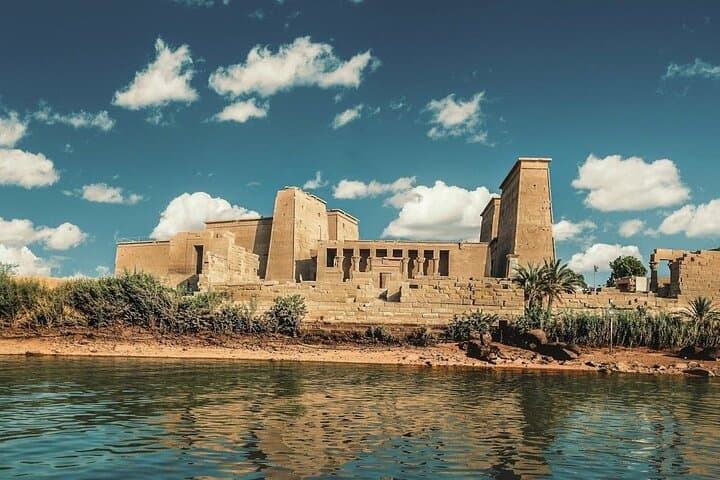
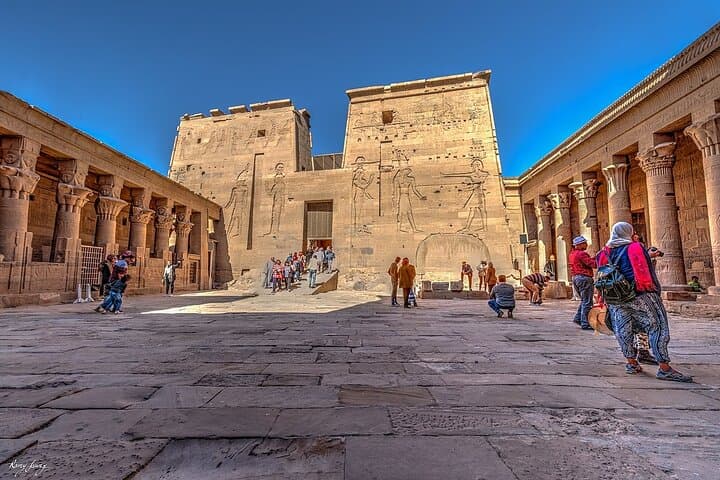
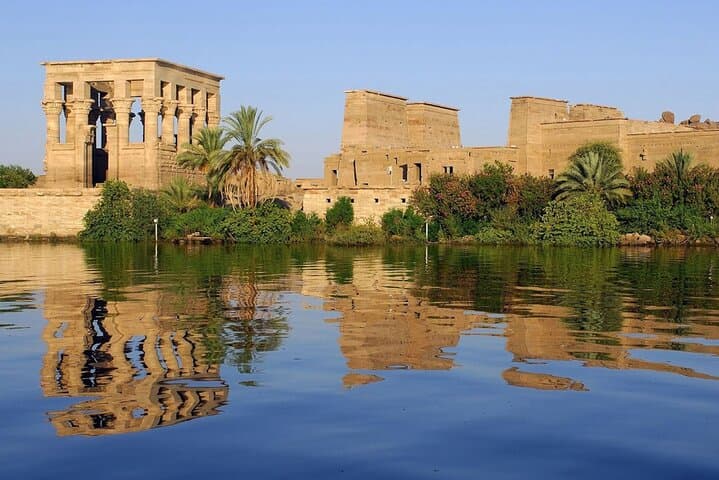
The Nile parts beneath your boat as you glide toward Philae: sun on sandstone, papyrus reeds whispering, and the temple rising like an argument between water and stone. Your Egyptologist leads you up steps carved millennia ago, voices of myth traced in relief—Isis mourning, Osiris reborn, Horus asserted in bas-relief that still holds a quiet insistence.
Verified experiences and guided adventures in the surrounding area.
Operated by Luxor Private Day Tours · Aswan, Aswan Governorate
The Nile parts beneath your boat as you glide toward Philae: sun on sandstone, papyrus reeds whispering, and the temple rising like an argument between water and stone. Your Egyptologist leads you up steps carved millennia ago, voices of myth traced in relief—Isis mourning, Osiris reborn, Horus asserted in bas-relief that still holds a quiet insistence.
Philae’s temples date to the Ptolemaic and Roman eras and were rededicated to Isis across centuries. When the Aswan High Dam threatened to drown the complex in the 1960s, an international effort dismantled and reassembled the site on nearby Agilkia Island—an engineering rescue that preserved carved scenes and colonnades for modern visitors.
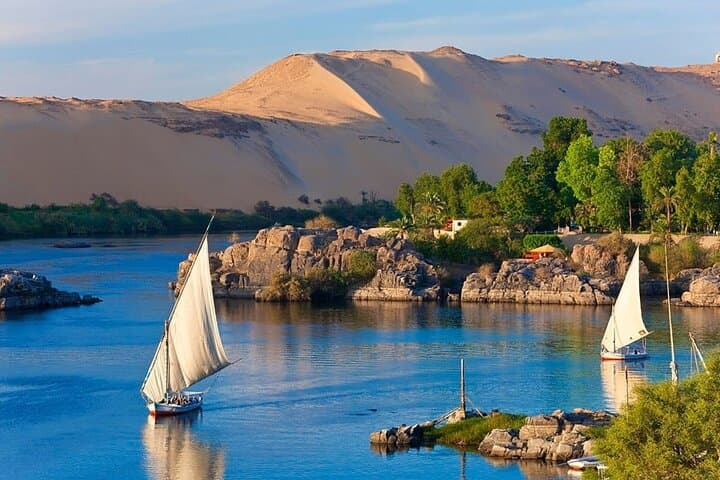
Geology here is hard Nile sandstone smoothed by wind and rising waters; the island setting frames the temple with shifting light and boat-slung perspectives that make every doorway a picture. Local Nubian culture remains visible in colorful houses upriver and in craft stalls, offering a human counterpoint to the ancient stones.
Practical guide: allow roughly five hours for hotel pickup, boat transfer, and a three-hour exploration window; wear sturdy shoes for uneven stone and bring sun protection—the sun is direct and reflective off the water. Plan to spend time with an Egyptologist to unpack iconography; photography is straightforward but respect restricted areas. If you opt to add a short Nubian village visit, factor in an extra one to two hours and modest cash for purchases. Morning departures avoid the heat and most day-trip crowds, leaving space to experience both the temple’s carved narratives and the river’s steady, patient presence.
easy.
4–5 hours.
Suitable for most fitness levels; involves short walks over uneven surfaces and some stairs.
Yes—the tour itinerary notes admission to Philae is included for the primary site visit.
Plan on about five hours from hotel pickup to return; the main visit at Philae is approximately three hours.
Infants and small children can use strollers, but expect stairs and uneven surfaces on the island; infants must sit on laps for transport.
The Nubian village visit is optional; admission isn’t required but small purchases or donations are customary and usually paid in cash.
Philae was a major cult center for Isis; after the Aswan High Dam project the temple was carefully relocated to prevent submersion in a UNESCO-led salvage operation.
The temple’s rescue is a landmark in archaeological conservation; visitors can help by staying on marked paths and avoiding flash photography in sensitive reliefs.
Luxor Private Day Tours operates guided outdoor trips and adventures with an emphasis on safety, stewardship, and memorable experiences.
The Nile parts beneath your boat as you glide toward Philae: sun on sandstone, papyrus reeds whispering, and the temple rising like an argument between water and stone. Your Egyptologist leads you up steps carved millennia ago, voices of myth traced in relief—Isis mourning, Osiris reborn, Horus asserted in bas-relief that still holds a quiet insistence.
The Nile parts beneath your boat as you glide toward Philae: sun on sandstone, papyrus reeds whispering, and the temple rising like an argument between water and stone. Your Egyptologist leads you up steps carved millennia ago, voices of myth traced in relief—Isis mourning, Osiris reborn, Horus asserted in bas-relief that still holds a quiet insistence.
Philae’s temples date to the Ptolemaic and Roman eras and were rededicated to Isis across centuries. When the Aswan High Dam threatened to drown the complex in the 1960s, an international effort dismantled and reassembled the site on nearby Agilkia Island—an engineering rescue that preserved carved scenes and colonnades for modern visitors.
Geology here is hard Nile sandstone smoothed by wind and rising waters; the island setting frames the temple with shifting light and boat-slung perspectives that make every doorway a picture. Local Nubian culture remains visible in colorful houses upriver and in craft stalls, offering a human counterpoint to the ancient stones.
Practical guide: allow roughly five hours for hotel pickup, boat transfer, and a three-hour exploration window; wear sturdy shoes for uneven stone and bring sun protection—the sun is direct and reflective off the water. Plan to spend time with an Egyptologist to unpack iconography; photography is straightforward but respect restricted areas. If you opt to add a short Nubian village visit, factor in an extra one to two hours and modest cash for purchases. Morning departures avoid the heat and most day-trip crowds, leaving space to experience both the temple’s carved narratives and the river’s steady, patient presence.