THE ADVENTURE COLLECTIVE® · Independent discovery and booking for outdoor travel

Glide across the Nile to Philae’s island temple, then wander the colorful alleys of a Nubian village on a private, four‑hour tour from Aswan. Expect expert commentary, easy walking, and a blend of ancient history and living culture.
Glide across the Nile to Philae’s island temple, then wander the colorful alleys of a Nubian village on a private, four‑hour tour from Aswan. Expect expert commentary, easy walking, and a blend of ancient history and living culture.
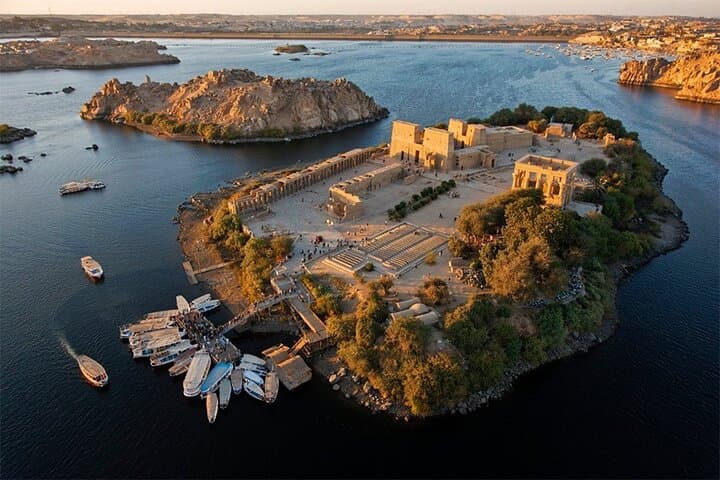
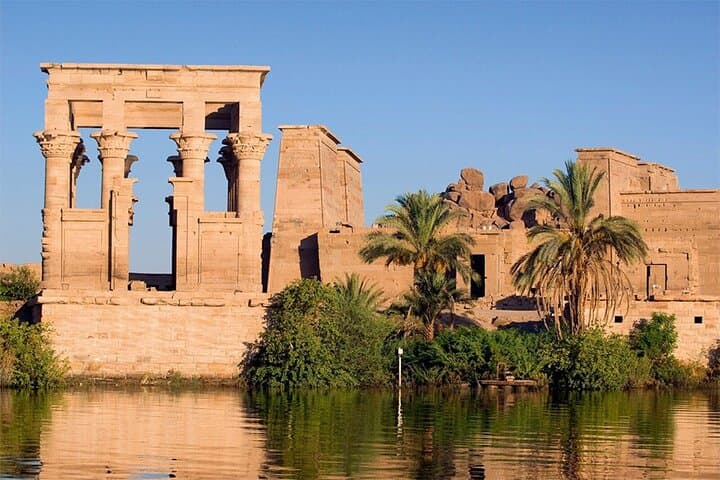
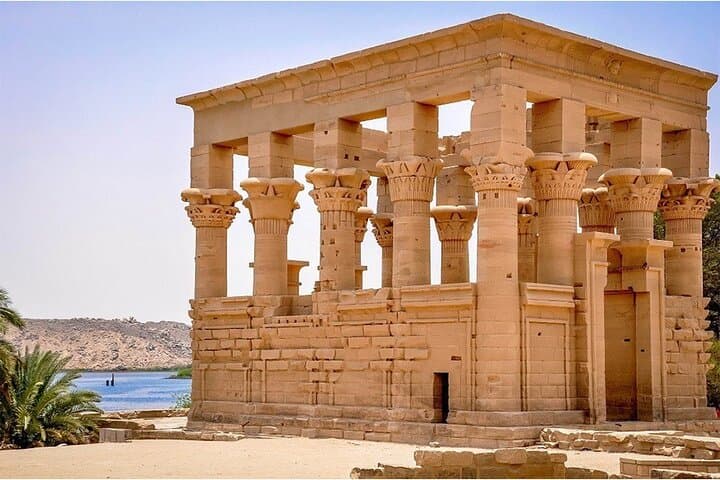
You step off a low motorboat onto the basalt steps of Agilkia Island and feel the Nile’s slow pulse beneath the hull. Sunlight carves the temple reliefs into high-contrast bands; wind from the river brushes across painted door lintels while your guide traces stories of gods and floods.
Verified experiences and guided adventures in the surrounding area.
Operated by Egypt Tours Travel · Aswan, Aswan Governorate
You step off a low motorboat onto the basalt steps of Agilkia Island and feel the Nile’s slow pulse beneath the hull. Sunlight carves the temple reliefs into high-contrast bands; wind from the river brushes across painted door lintels while your guide traces stories of gods and floods.
Philae was a center for worship of Isis until the temples were dismantled and rebuilt on Agilkia during the 1960s when the Aswan High Dam threatened the original island. The stone itself—granite and sandstone quarried nearby—bears fingerprints of ancient craftsmen, and the island’s layered geology explains the stepped terraces that catch the river’s silt every season.
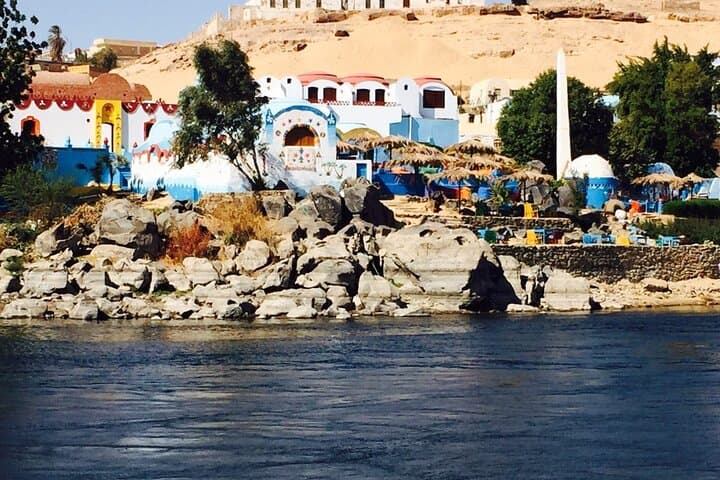
Across the water, the Nubian Village introduces a different rhythm: low, whitewashed houses painted in bold colors, family-run workshops, and languages and cuisines shaped by the Nile’s corridors. Conversations here reveal a living culture — oral histories, traditional textiles, and pottery practices passed between generations.
Practical guidance: the excursion is short and mostly flat but includes boat transfers and stair sections at Philae. Bring sun protection, a refillable water bottle, and modest clothing for visiting religious sites. Guides typically provide commentary and entry is included; a private guide means you can slow the pace for photos or conversation. Morning or late afternoon departures soften the light and the heat. Respect local customs, ask before photographing people, and budget time to wander the village lanes—some of the most memorable encounters happen away from the main path.
easy.
4 hours.
Light activity; suitable for most fitness levels with short walks and stairs
Many areas are wheelchair accessible and transportation options note accessibility, but some temple steps and narrow village lanes may limit full access—check with the operator for specific needs.
Yes; entrance to Philae Temple and the Nubian Village are included in this private tour package.
Expect light walking—short stair sections at Philae and strolling through village streets; most guests find it easy if mobile.
Photography is allowed at Philae and in the village, but always ask permission before photographing people or inside private homes.
Philae was a major cult center for Isis; its temples were relocated to Agilkia Island in the 1960s to save them from inundation after the Aswan High Dam was built.
Relocation saved the monuments, and sustainable tourism supports Nubian cultural preservation—minimize plastic and respect local living spaces.
Egypt Tours Travel operates guided outdoor trips and adventures with an emphasis on safety, stewardship, and memorable experiences.
You step off a low motorboat onto the basalt steps of Agilkia Island and feel the Nile’s slow pulse beneath the hull. Sunlight carves the temple reliefs into high-contrast bands; wind from the river brushes across painted door lintels while your guide traces stories of gods and floods.
You step off a low motorboat onto the basalt steps of Agilkia Island and feel the Nile’s slow pulse beneath the hull. Sunlight carves the temple reliefs into high-contrast bands; wind from the river brushes across painted door lintels while your guide traces stories of gods and floods.
Philae was a center for worship of Isis until the temples were dismantled and rebuilt on Agilkia during the 1960s when the Aswan High Dam threatened the original island. The stone itself—granite and sandstone quarried nearby—bears fingerprints of ancient craftsmen, and the island’s layered geology explains the stepped terraces that catch the river’s silt every season.
Across the water, the Nubian Village introduces a different rhythm: low, whitewashed houses painted in bold colors, family-run workshops, and languages and cuisines shaped by the Nile’s corridors. Conversations here reveal a living culture — oral histories, traditional textiles, and pottery practices passed between generations.
Practical guidance: the excursion is short and mostly flat but includes boat transfers and stair sections at Philae. Bring sun protection, a refillable water bottle, and modest clothing for visiting religious sites. Guides typically provide commentary and entry is included; a private guide means you can slow the pace for photos or conversation. Morning or late afternoon departures soften the light and the heat. Respect local customs, ask before photographing people, and budget time to wander the village lanes—some of the most memorable encounters happen away from the main path.