THE ADVENTURE COLLECTIVE® · Independent discovery and booking for outdoor travel

A private day tour across Phang Nga Bay that pairs iconic sights—James Bond Island and Khao Ping Kan—with canoe exploration of sea caves and a twilight bioluminescent plankton swim. Expect karst scenery, guided paddles, and timing-sensitive night viewing.
A private day tour across Phang Nga Bay that pairs iconic sights—James Bond Island and Khao Ping Kan—with canoe exploration of sea caves and a twilight bioluminescent plankton swim. Expect karst scenery, guided paddles, and timing-sensitive night viewing.
You step from the long-tail into an open bay of rock spires—limestone towers cut like old bones out of glassy water. The boat slips, engines quiet, and a guide shoulders a wooden paddle; you follow through a low cave into a shadowed lagoon where stalactites hang like teeth and the air smells of salt and wet stone.
Verified experiences and guided adventures in the surrounding area.
Operated by Tours with Jo · Phang Nga, Phang Nga Province
You step from the long-tail into an open bay of rock spires—limestone towers cut like old bones out of glassy water. The boat slips, engines quiet, and a guide shoulders a wooden paddle; you follow through a low cave into a shadowed lagoon where stalactites hang like teeth and the air smells of salt and wet stone.
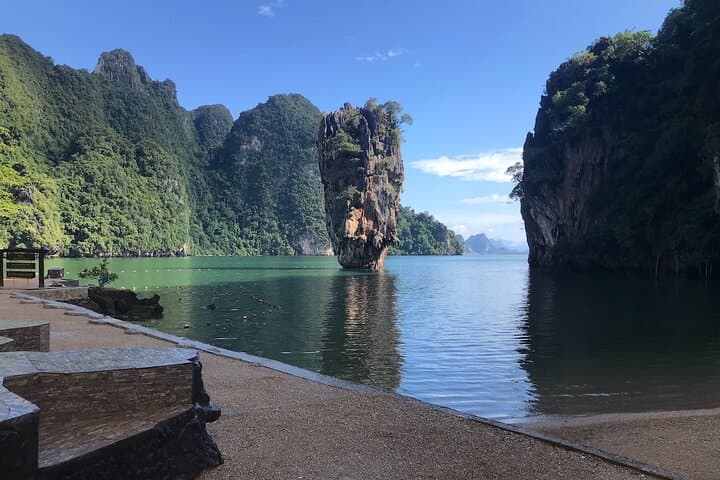
Phang Nga Bay is a landscape shaped by millions of years of karst weathering: uplifted limestone eroded into cliffs, caves and tidal tunnels. The area has long been home to sea‑Gypsy (Moken) communities and later became internationally famous when Khao Phing Kan and the jagged islet of Koh Tapu featured in a 1970s Bond film.
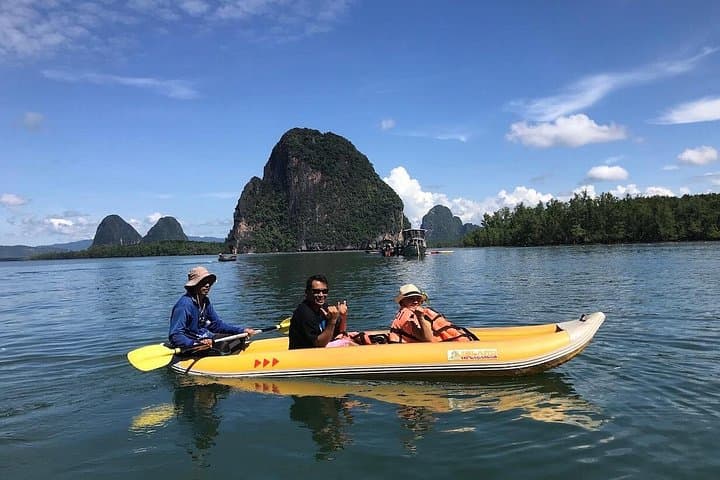
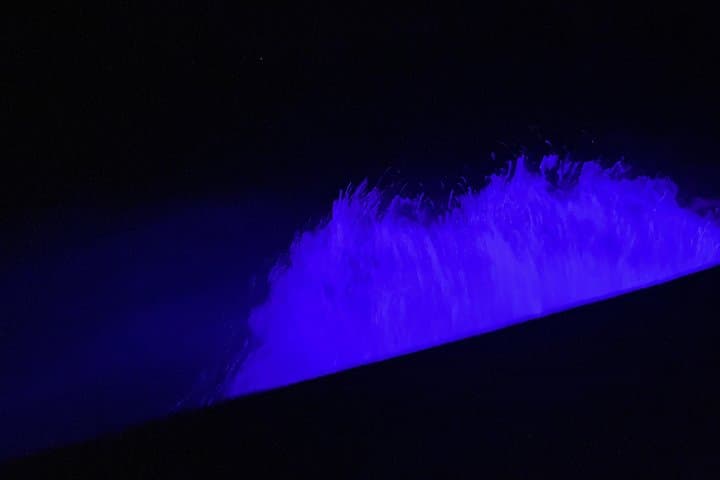
This private, full‑day tour stitches together the cinematic highlights—James Bond Island, Khao Ping Kan—and quieter passages: canoeing into Hong Island caves, passing settlements on stilts, then an evening stop to watch bioluminescent plankton perform their brief, blue fireworks.
Practical guidance: the tour runs about eight hours with private transfers and a canoe guided by a paddler. Timing matters—bioluminescence shows best on moonless nights and after true darkness; expect waits offshore. Wear quick‑dry layers, reef‑safe sunscreen and water shoes that grip wet boats. Bring a waterproof case for your camera; photos of plankton are difficult and often disappointing, so be prepared to enjoy the moment rather than document it.
Respect local wildlife and fragile cave formations—keep voices low in lagoons, avoid touching stalactites, and use provided safety equipment. For many travelers, the trip balances easy activity with sudden bursts of discovery: a paddle through a cave, the hush of twilight, and then that improbable blue glow chasing your hand in the sea.
easy.
8 hours.
Suitable for most fitness levels; requires getting in/out of small boats and short, easy paddling periods
Visibility depends on moon phase, weather, and water conditions—dark, windless nights after a new moon offer the best chance but sightings are never guaranteed.
Yes—tours are marketed as suitable for all fitness levels; children and non‑swimmers can join but must use provided life vests and follow guide instructions.
Most operators include private transportation from Phuket; confirm pickup location and timing when booking to coordinate with the tour start.
Photographing plankton is difficult with standard cameras; long exposures and specialized settings are needed—many guides recommend enjoying the display with your eyes instead of relying on photos.
Phang Nga Bay’s karst islands have been inhabited by Moken (sea‑Gypsy) peoples for centuries; the area gained international attention after film crews used Khao Phing Kan in the 1970s.
The karst islands are fragile—stick to designated boat channels, avoid touching rock formations, and use reef‑safe sunscreens to reduce impact on marine life.
Tours with Jo operates guided outdoor trips and adventures with an emphasis on safety, stewardship, and memorable experiences.

You step from the long-tail into an open bay of rock spires—limestone towers cut like old bones out of glassy water. The boat slips, engines quiet, and a guide shoulders a wooden paddle; you follow through a low cave into a shadowed lagoon where stalactites hang like teeth and the air smells of salt and wet stone.
You step from the long-tail into an open bay of rock spires—limestone towers cut like old bones out of glassy water. The boat slips, engines quiet, and a guide shoulders a wooden paddle; you follow through a low cave into a shadowed lagoon where stalactites hang like teeth and the air smells of salt and wet stone.
Phang Nga Bay is a landscape shaped by millions of years of karst weathering: uplifted limestone eroded into cliffs, caves and tidal tunnels. The area has long been home to sea‑Gypsy (Moken) communities and later became internationally famous when Khao Phing Kan and the jagged islet of Koh Tapu featured in a 1970s Bond film.
This private, full‑day tour stitches together the cinematic highlights—James Bond Island, Khao Ping Kan—and quieter passages: canoeing into Hong Island caves, passing settlements on stilts, then an evening stop to watch bioluminescent plankton perform their brief, blue fireworks.
Practical guidance: the tour runs about eight hours with private transfers and a canoe guided by a paddler. Timing matters—bioluminescence shows best on moonless nights and after true darkness; expect waits offshore. Wear quick‑dry layers, reef‑safe sunscreen and water shoes that grip wet boats. Bring a waterproof case for your camera; photos of plankton are difficult and often disappointing, so be prepared to enjoy the moment rather than document it.
Respect local wildlife and fragile cave formations—keep voices low in lagoons, avoid touching stalactites, and use provided safety equipment. For many travelers, the trip balances easy activity with sudden bursts of discovery: a paddle through a cave, the hush of twilight, and then that improbable blue glow chasing your hand in the sea.