THE ADVENTURE COLLECTIVE® · Independent discovery and booking for outdoor travel

Spend a full day from Split exploring Pelješac’s wind-scarred vineyards, Ston’s medieval walls, and Mali Ston oyster farms. This private nine-hour tour pairs coastal panoramas with family-run cellar tastings and a seafood lunch.
Spend a full day from Split exploring Pelješac’s wind-scarred vineyards, Ston’s medieval walls, and Mali Ston oyster farms. This private nine-hour tour pairs coastal panoramas with family-run cellar tastings and a seafood lunch.
You pull away from Split along the shimmering Dalmatian coast and the new Pelješac Bridge appears like a clean line over open water, shortening a route that once required a long detour. The road climbs and drops, olive groves and terraced vineyards leaning toward the sea, and the air carries a briny taste that promises oysters and Adriatic light.
Verified experiences and guided adventures in the surrounding area.
Operated by Touch Croatia · Ston, Dubrovnik-Neretva County
You pull away from Split along the shimmering Dalmatian coast and the new Pelješac Bridge appears like a clean line over open water, shortening a route that once required a long detour. The road climbs and drops, olive groves and terraced vineyards leaning toward the sea, and the air carries a briny taste that promises oysters and Adriatic light.
Pelješac has been shaping crops and culture for centuries: Roman terraces, medieval salt pans at Ston, and walls built to protect a city that traded oysters and salt. The peninsula sits on limestone bedrock; karst geology creates thin soils where viticulture thrives on slopes that force vines to concentrate sugars and flavors. Local families have refined winemaking here for generations — Plavac Mali and Dingac vineyards are regional signatures — while Mali Ston’s oyster farms prosper in nutrient-rich currents.
Expect a day of coastal panoramas, a stroll along Ston’s medieval walls, a seafood lunch in a fisherman's restaurant, and guided tastings at small, family-run cellars such as Bartulović, Matuško, or Miloš. The guide-driver handles logistics; you handle the tastings and views.
Practical notes: nine hours on a private vehicle, multiple short walks and steps, and tastings where the legal drinking age applies. Bring sun protection, comfortable shoes, and a light layer for coastal breezes. Plan tastings earlier in the day for clearer light on the terraces and reserve in advance in summer. Respect oyster farms and vineyards: ask before photographing working operations and pack out any trash. This trip pairs easy driving with sensory-focused stops — a practical, flavorful day on Dalmatia’s culinary edge.
easy.
9 hours.
Suitable for most fitness levels; involves multiple short walks, stairs on city walls, and standing during tastings.
The tour includes private transport and bottled water; wine tastings and lunch are typically paid on location unless the booking explicitly lists them as included — confirm with the operator.
Yes — most private tours depart Split and include pickup; provide your meeting point when booking and confirm pickup time.
Yes — the itinerary involves short walks and coastal stops; non-drinkers can enjoy views and seafood, and children can ride in strollers or infant seats where agreed in advance.
Accessibility varies; historic sites like Ston’s walls have stairs and cobbles. Contact the operator ahead to discuss specific mobility needs and vehicle accommodations.
Ston grew wealthy on salt production and oyster cultivation; its defensive walls were expanded in medieval times to protect these trade assets.
Oyster farming and vineyards rely on clean water and soil — avoid littering, use refillable bottles, and follow local guidance to minimize impact.
Touch Croatia operates guided outdoor trips and adventures with an emphasis on safety, stewardship, and memorable experiences.


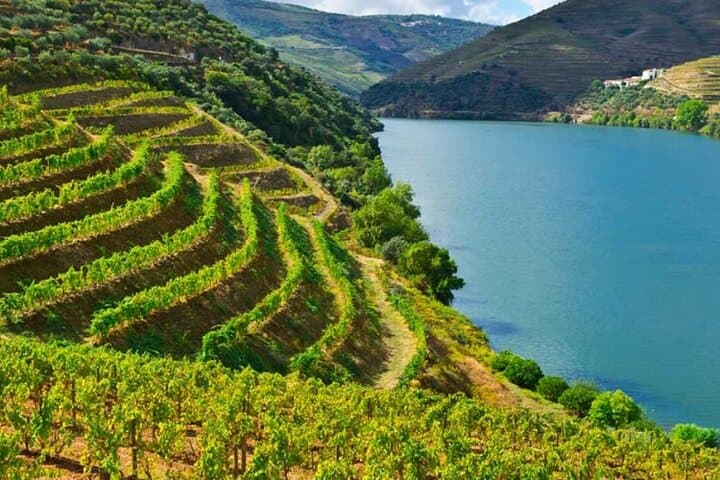
You pull away from Split along the shimmering Dalmatian coast and the new Pelješac Bridge appears like a clean line over open water, shortening a route that once required a long detour. The road climbs and drops, olive groves and terraced vineyards leaning toward the sea, and the air carries a briny taste that promises oysters and Adriatic light.
You pull away from Split along the shimmering Dalmatian coast and the new Pelješac Bridge appears like a clean line over open water, shortening a route that once required a long detour. The road climbs and drops, olive groves and terraced vineyards leaning toward the sea, and the air carries a briny taste that promises oysters and Adriatic light.
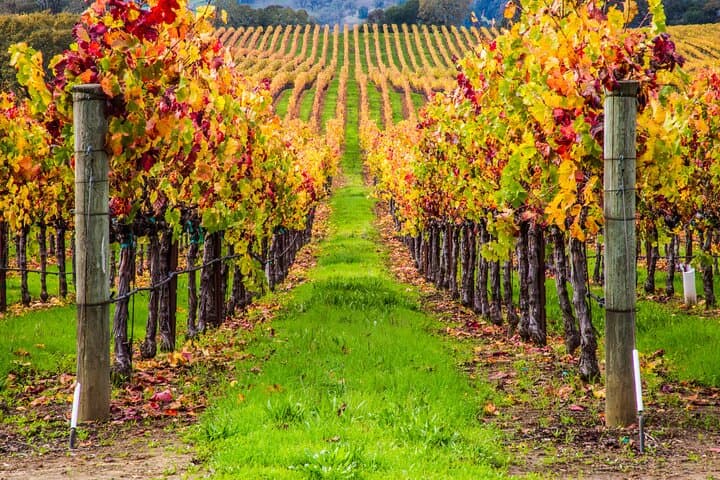
Pelješac has been shaping crops and culture for centuries: Roman terraces, medieval salt pans at Ston, and walls built to protect a city that traded oysters and salt. The peninsula sits on limestone bedrock; karst geology creates thin soils where viticulture thrives on slopes that force vines to concentrate sugars and flavors. Local families have refined winemaking here for generations — Plavac Mali and Dingac vineyards are regional signatures — while Mali Ston’s oyster farms prosper in nutrient-rich currents.
Expect a day of coastal panoramas, a stroll along Ston’s medieval walls, a seafood lunch in a fisherman's restaurant, and guided tastings at small, family-run cellars such as Bartulović, Matuško, or Miloš. The guide-driver handles logistics; you handle the tastings and views.
Practical notes: nine hours on a private vehicle, multiple short walks and steps, and tastings where the legal drinking age applies. Bring sun protection, comfortable shoes, and a light layer for coastal breezes. Plan tastings earlier in the day for clearer light on the terraces and reserve in advance in summer. Respect oyster farms and vineyards: ask before photographing working operations and pack out any trash. This trip pairs easy driving with sensory-focused stops — a practical, flavorful day on Dalmatia’s culinary edge.