THE ADVENTURE COLLECTIVE® · Independent discovery and booking for outdoor travel

Rise before dawn in Fethiye and travel overnight to Pamukkale for a sunrise hot-air balloon flight over white travertine terraces, followed by breakfast and time at Hierapolis and Cleopatra’s Pool. This private-transport, shared-flight day trip blends aerial views with hands-on exploration of ancient baths and geological formations.
Rise before dawn in Fethiye and travel overnight to Pamukkale for a sunrise hot-air balloon flight over white travertine terraces, followed by breakfast and time at Hierapolis and Cleopatra’s Pool. This private-transport, shared-flight day trip blends aerial views with hands-on exploration of ancient baths and geological formations.
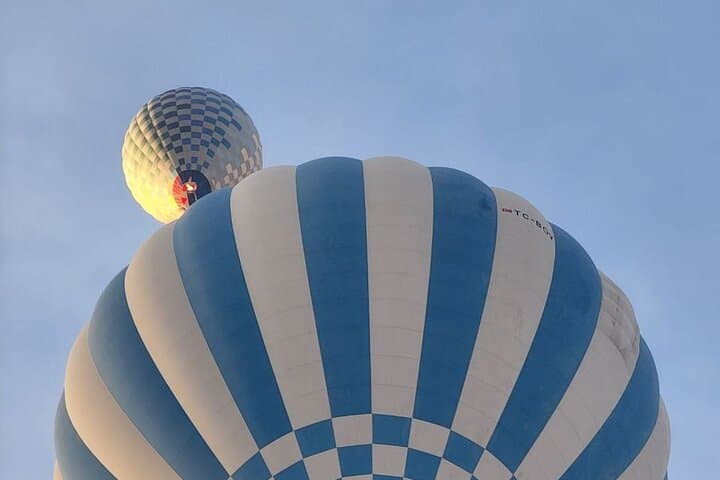
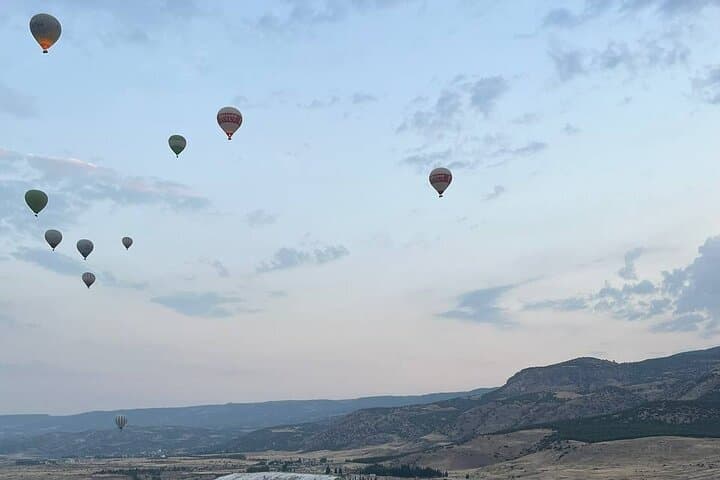
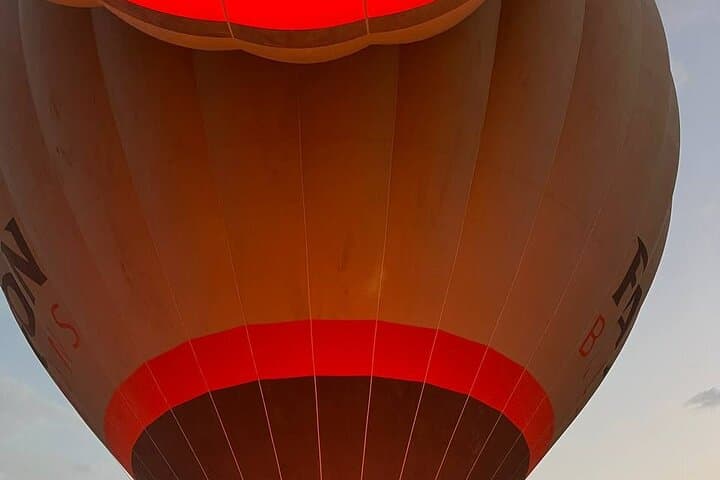
The van leaves Fethiye at 02:00, headlights cutting across sleepy fields as you cross the Aegean hinterland toward Denizli. By the time the sky thins to blue you’re at the launch field watching wicker baskets tilt and canvas bellies breathe with fire; the balloons rise and the valley exhales beneath you.
Verified experiences and guided adventures in the surrounding area.
Operated by Hesaplı Tatilci by Mobius Travel · Pamukkale, Denizli Province
The van leaves Fethiye at 02:00, headlights cutting across sleepy fields as you cross the Aegean hinterland toward Denizli. By the time the sky thins to blue you’re at the launch field watching wicker baskets tilt and canvas bellies breathe with fire; the balloons rise and the valley exhales beneath you.
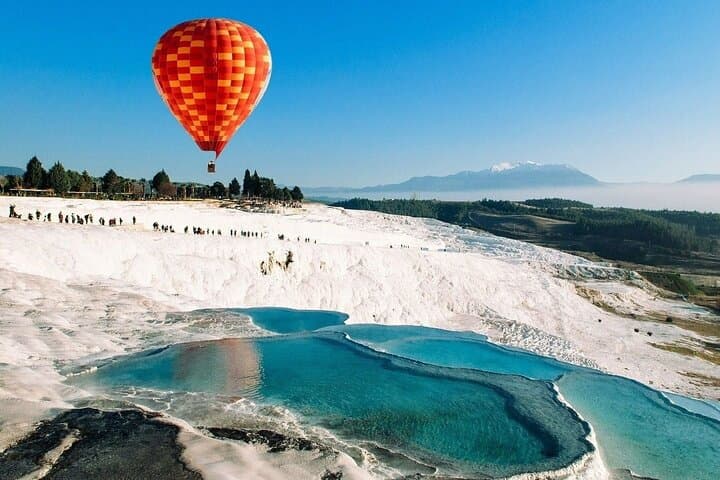
Pamukkale’s white travertine shelves, formed by calcium-rich thermal springs, step down the slope like frozen waterfalls. Above them sits Hierapolis, a Roman spa town whose stone theatre and ruins give scale to the terraces and the small, warm pool called Cleopatra’s Pool—an archaeological swim spot warmed for centuries by the same springs that build the terraces.
Geology here is immediate: mineral-laden water deposits travertine continuously, but human traffic and changing water management have altered that balance. Culturally, Pamukkale has drawn pilgrims and spa-seekers since antiquity; the area’s layered history is visible in the ruins and the modern town that supports day-trippers.
Practically, expect a very early pickup, roughly a 3.5-hour overnight drive, a group hot-air flight at dawn (typically 45–60 minutes), breakfast, then 1–2 hours to explore the terraces and ancient theatre. Walk the site barefoot where required, wear layers for the cold morning and sun by midday, and bring identification for booking. The tour operates privately for transport but the balloon flight is shared. Not recommended for people with serious heart conditions; infants must sit on laps. Plan to be on your feet, carry water, and leave time for gentle exploration—the terraces demand a slow, respectful pace.
moderate.
Approximately 12 hours (overnight pickup, full-day excursion).
Moderate fitness: able to walk on uneven, sometimes slippery travertine and stand during a 45–60 minute balloon flight.
Flights at Pamukkale typically last around 45–60 minutes depending on wind and operator conditions; the full tour day includes transport and site time totaling about 12 hours.
Many itineraries include time to enter the Antique (Cleopatra’s) Pool; be aware this is an archaeological site with access rules and sometimes an additional fee.
Transport is private but balloons are usually shared with other passengers; the tour notes the flight itself is a group experience.
Infants are allowed but must sit on an adult’s lap; the tour advises moderate fitness and is not recommended for travelers with serious cardiovascular issues.
Pamukkale sits above the ruins of Hierapolis, a Roman-era spa town whose baths and theatre reflect the area’s long history as a healing and pilgrimage site.
The terraces are sensitive: water flow is managed to limit damage and footwear is restricted on deposits; visitors are asked to follow site rules to protect the formations.
Hesaplı Tatilci by Mobius Travel operates guided outdoor trips and adventures with an emphasis on safety, stewardship, and memorable experiences.
The van leaves Fethiye at 02:00, headlights cutting across sleepy fields as you cross the Aegean hinterland toward Denizli. By the time the sky thins to blue you’re at the launch field watching wicker baskets tilt and canvas bellies breathe with fire; the balloons rise and the valley exhales beneath you.
The van leaves Fethiye at 02:00, headlights cutting across sleepy fields as you cross the Aegean hinterland toward Denizli. By the time the sky thins to blue you’re at the launch field watching wicker baskets tilt and canvas bellies breathe with fire; the balloons rise and the valley exhales beneath you.
Pamukkale’s white travertine shelves, formed by calcium-rich thermal springs, step down the slope like frozen waterfalls. Above them sits Hierapolis, a Roman spa town whose stone theatre and ruins give scale to the terraces and the small, warm pool called Cleopatra’s Pool—an archaeological swim spot warmed for centuries by the same springs that build the terraces.
Geology here is immediate: mineral-laden water deposits travertine continuously, but human traffic and changing water management have altered that balance. Culturally, Pamukkale has drawn pilgrims and spa-seekers since antiquity; the area’s layered history is visible in the ruins and the modern town that supports day-trippers.
Practically, expect a very early pickup, roughly a 3.5-hour overnight drive, a group hot-air flight at dawn (typically 45–60 minutes), breakfast, then 1–2 hours to explore the terraces and ancient theatre. Walk the site barefoot where required, wear layers for the cold morning and sun by midday, and bring identification for booking. The tour operates privately for transport but the balloon flight is shared. Not recommended for people with serious heart conditions; infants must sit on laps. Plan to be on your feet, carry water, and leave time for gentle exploration—the terraces demand a slow, respectful pace.