THE ADVENTURE COLLECTIVE® · Independent discovery and booking for outdoor travel

Walk the sun‑faded ramps of Pachacamac with an archaeologist‑guide, then trade adobe ruins for Pacific‑cliff views in Barranco. This 3–4 hour private tour pairs deep cultural history with easy logistics for travelers based in Lima.
Walk the sun‑faded ramps of Pachacamac with an archaeologist‑guide, then trade adobe ruins for Pacific‑cliff views in Barranco. This 3–4 hour private tour pairs deep cultural history with easy logistics for travelers based in Lima.
You step out of the air‑conditioned car and the city’s roar slackens into a low wind across sunbaked adobe walls. The first thing that hits you is the dry, warm scent of earth—Pachacamac’s mud bricks have a smell of old stone and dust that feels like history rising underfoot.
Verified experiences and guided adventures in the surrounding area.
Operated by Peru Best Price travel agency & Tour Operator · Pachacamac, Lima
You step out of the air‑conditioned car and the city’s roar slackens into a low wind across sunbaked adobe walls. The first thing that hits you is the dry, warm scent of earth—Pachacamac’s mud bricks have a smell of old stone and dust that feels like history rising underfoot.
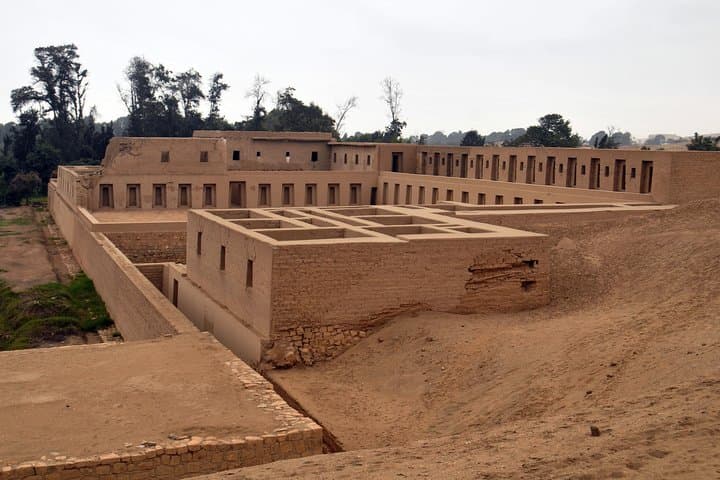
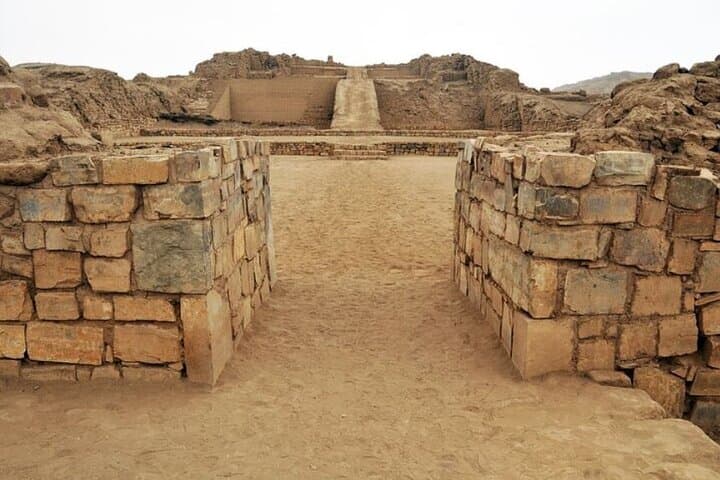
A certified archaeologist-guide leads the way across a broad plaza where llamas once carried offerings and pilgrims threaded along narrow ramps toward the oracle. The complex is less a single temple than a stitched series of structures—Adobito's Temple, the ramped temple, the Palace of Taurochiumbi—each built of mud brick and earth, each an architectural response to coastal desert and ritual life facing the Pacific.
Pachacamac was a major pre‑Hispanic pilgrimage center long before the Inca incorporated it into their state. The oracle here, known as the “Lord of the World,” drew visitors from along the coast to consult on everything from weather to warfare. Geologically, the site sits on sedimentary terraces carved by ancient rivers, a dry stage above the wetlands that once fringed Lima’s shore.
After the guided circuit through shrine rooms, plazas and the small on‑site museum, the tour eases into a different rhythm: artisans at their stalls shaping clay into bowls and painted figures—modern hands repeating a craft with roots in the same soils that fed the adobe bricks. It’s a practical, tactile continuation of the day’s lesson in material culture.
The return drive skirts the Villa wetlands and the green coast. By the time you arrive in Barranco, the Pacific has pulled up a cool blanket of mist. Barranco is a compact counterpoint to Pachacamac: bohemian streets, murals, the 19th‑century church and the Bridge of Sighs where people pause to make wishes. From the cliffs above the sea, the city stretches east—Miraflores and the high neighborhoods—layers of Lima’s urban life arranged toward the water.
Practical side: the full private experience is 3–4 hours with hotel pickup in Miraflores, San Isidro or Barranco. Expect a mix of paved paths and compacted dirt around the ruins; minimal elevation change but a lot of sun exposure. The museum is small but well curated; plan 60–90 minutes on site to move at a comfortable pace. Bring sunscreen, a brimmed hat, and a refillable water bottle—vendors offer crafts but bring cash for small purchases. If you want photographs inside the museum or at specific temples, check with your guide; some areas restrict tripods or commercial shoots.
This is a private, flexible tour—ideal for families or small groups wanting cultural depth without the rush. The guide’s archaeology credential means explanations go beyond surface-level storytelling, connecting the stones, the coast and the living craftspeople who keep Pachacamac’s past present.
easy.
3–4 hours.
Suitable for most fitness levels; requires short walks on uneven ground and standing during explanations.
Yes—entrance tickets to the archaeological site and the on‑site museum are included in the tour price.
Yes; tours are led by certified guides who typically speak English and Spanish—confirm language needs at booking.
Hotel pickup and drop‑off are provided in Miraflores, San Isidro or Barranco; you can request a specific pickup point in Lima when booking.
Yes—it's a private, low‑impact tour appropriate for families and older travelers, though some walking and sun exposure are involved.
Yes—artisans sell handmade ceramics and souvenirs near the site; bring cash as card acceptance may be limited.
For a full refund cancel at least 24 hours before departure; the operator may cancel for bad weather or insufficient travelers.
Pachacamac was a major pre‑Hispanic pilgrimage center and oracle site on the Peruvian coast long before Inca integration; its temples were built primarily from adobe.
The site is vulnerable to erosion and modern urban pressure; visitors are asked to stay on designated paths and avoid touching fragile adobe faces.
Peru Best Price travel agency & Tour Operator operates guided outdoor trips and adventures with an emphasis on safety, stewardship, and memorable experiences.
You step out of the air‑conditioned car and the city’s roar slackens into a low wind across sunbaked adobe walls. The first thing that hits you is the dry, warm scent of earth—Pachacamac’s mud bricks have a smell of old stone and dust that feels like history rising underfoot.
You step out of the air‑conditioned car and the city’s roar slackens into a low wind across sunbaked adobe walls. The first thing that hits you is the dry, warm scent of earth—Pachacamac’s mud bricks have a smell of old stone and dust that feels like history rising underfoot.
A certified archaeologist-guide leads the way across a broad plaza where llamas once carried offerings and pilgrims threaded along narrow ramps toward the oracle. The complex is less a single temple than a stitched series of structures—Adobito's Temple, the ramped temple, the Palace of Taurochiumbi—each built of mud brick and earth, each an architectural response to coastal desert and ritual life facing the Pacific.
Pachacamac was a major pre‑Hispanic pilgrimage center long before the Inca incorporated it into their state. The oracle here, known as the “Lord of the World,” drew visitors from along the coast to consult on everything from weather to warfare. Geologically, the site sits on sedimentary terraces carved by ancient rivers, a dry stage above the wetlands that once fringed Lima’s shore.
After the guided circuit through shrine rooms, plazas and the small on‑site museum, the tour eases into a different rhythm: artisans at their stalls shaping clay into bowls and painted figures—modern hands repeating a craft with roots in the same soils that fed the adobe bricks. It’s a practical, tactile continuation of the day’s lesson in material culture.
The return drive skirts the Villa wetlands and the green coast. By the time you arrive in Barranco, the Pacific has pulled up a cool blanket of mist. Barranco is a compact counterpoint to Pachacamac: bohemian streets, murals, the 19th‑century church and the Bridge of Sighs where people pause to make wishes. From the cliffs above the sea, the city stretches east—Miraflores and the high neighborhoods—layers of Lima’s urban life arranged toward the water.
Practical side: the full private experience is 3–4 hours with hotel pickup in Miraflores, San Isidro or Barranco. Expect a mix of paved paths and compacted dirt around the ruins; minimal elevation change but a lot of sun exposure. The museum is small but well curated; plan 60–90 minutes on site to move at a comfortable pace. Bring sunscreen, a brimmed hat, and a refillable water bottle—vendors offer crafts but bring cash for small purchases. If you want photographs inside the museum or at specific temples, check with your guide; some areas restrict tripods or commercial shoots.
This is a private, flexible tour—ideal for families or small groups wanting cultural depth without the rush. The guide’s archaeology credential means explanations go beyond surface-level storytelling, connecting the stones, the coast and the living craftspeople who keep Pachacamac’s past present.