THE ADVENTURE COLLECTIVE® · Independent discovery and booking for outdoor travel

Follow the roads where Outlander was filmed and stand where history happened: Linlithgow Palace, Doune, Falkland and Blackness Castle. This private, chauffeured tour from Glasgow combines cinematic sites with real Scottish history and accessible on-foot exploration.
Follow the roads where Outlander was filmed and stand where history happened: Linlithgow Palace, Doune, Falkland and Blackness Castle. This private, chauffeured tour from Glasgow combines cinematic sites with real Scottish history and accessible on-foot exploration.
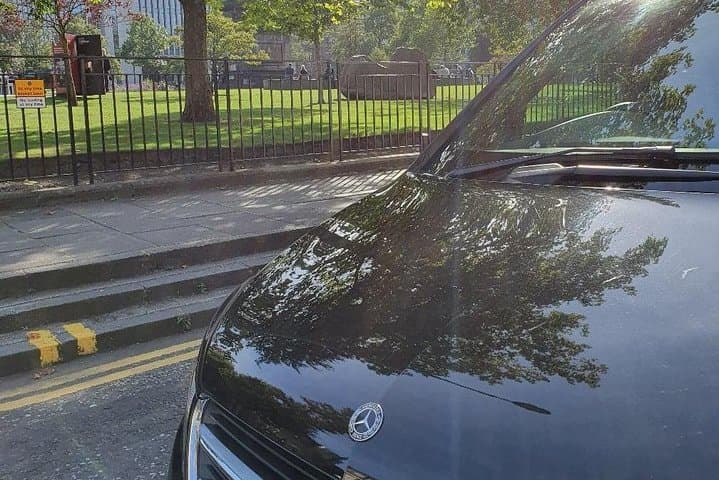
You step out onto George Square and the city’s stone faces seem to lean in as the van eases away, engine a soft companion. Within an hour the urban roar thins and the road opens onto the low folds of central Scotland: standing stones, ruined royal walls, and a coastline that presses its cold fingers at defensive castles.
Verified experiences and guided adventures in the surrounding area.
Operated by Luxury S.E.A.T. Ltd · Glasgow, Scotland
You step out onto George Square and the city’s stone faces seem to lean in as the van eases away, engine a soft companion. Within an hour the urban roar thins and the road opens onto the low folds of central Scotland: standing stones, ruined royal walls, and a coastline that presses its cold fingers at defensive castles.
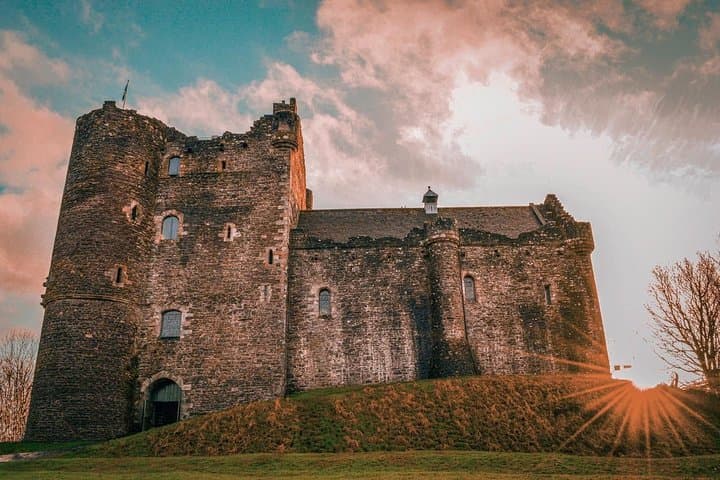
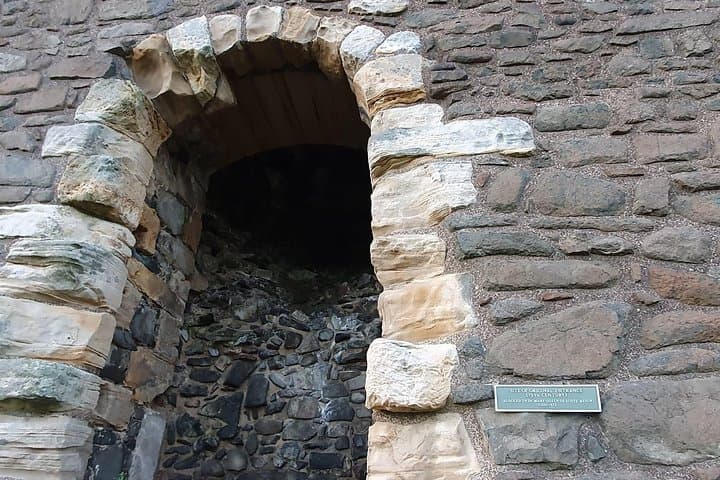
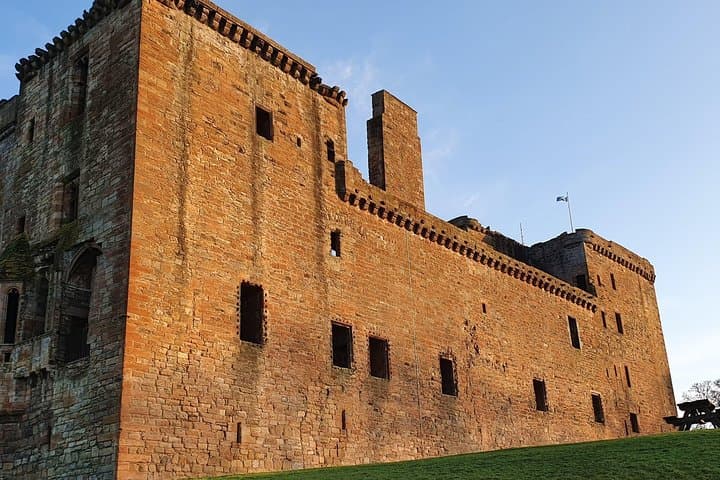
The Outlander Tour traces both filmed moments and real history. Linlithgow Palace, birthplace of Mary Queen of Scots, carries ruined grandeur; Blackness Castle juts into the Firth of Forth like a prow, its stone daring tides to erode memory. Doune Castle’s massive gatehouse and Falkland’s doocot and mill speak to medieval power, feudal courts and later cinematic reinvention.
Geology here is blunt and readable — Old Red Sandstone and Carboniferous limestones carved by glaciers and the sea, producing low rolling farmland, shelf-like shores and defensible promontories that attracted castles and, later, film crews.
Locally, parish churches, cobbled streets and the hum of small-town economy give texture: bakers, fishing piers, and the careful stewardship of places managed by Historic Environment Scotland.
Practical guidance: tours are private, run 4–8 hours (half, full or multi-day). Expect short walks on uneven surfaces, some steps in castle interiors, and variable coastal wind. Bring a waterproof layer, good walking shoes and a camera with spare battery — shots of Blackness at low tide are worth staying for.
Timing matters: morning light favors castle exteriors; late afternoon softens stone into gold. If you want interiors, check opening times and book ahead — many sites operate limited admissions and can close for filming or conservation work.
easy.
4–8 hours (per day).
Suitable for most fitness levels; involves short walks on uneven ground and steps inside ruins
Pickup and drop-off are in central Glasgow (George Square) but the operator can arrange hotel, port or station transfers—confirm your preferred pickup when booking.
Admissions are not typically included; the tour visits sites where you can choose to enter—plan and budget for separate entry fees.
Yes; the operator allows infants and offers infant seats. Paths and castle interiors may have stairs so supervise young children closely.
The tour can be canceled for bad weather with full refund if canceled at least 24 hours ahead; operators will often reroute to sheltered sites or reschedule if possible.
Many stops are layered—royal residences like Linlithgow date to the medieval and Renaissance periods while coastal forts were adapted through the 16th–17th centuries; modern film crews use these authentic settings.
Sites are managed by conservation bodies balancing access with protection; stick to paths, avoid climbing fragile masonry and support local conservation by using official parking and facilities.
Luxury S.E.A.T. Ltd operates guided outdoor trips and adventures with an emphasis on safety, stewardship, and memorable experiences.
You step out onto George Square and the city’s stone faces seem to lean in as the van eases away, engine a soft companion. Within an hour the urban roar thins and the road opens onto the low folds of central Scotland: standing stones, ruined royal walls, and a coastline that presses its cold fingers at defensive castles.
You step out onto George Square and the city’s stone faces seem to lean in as the van eases away, engine a soft companion. Within an hour the urban roar thins and the road opens onto the low folds of central Scotland: standing stones, ruined royal walls, and a coastline that presses its cold fingers at defensive castles.
The Outlander Tour traces both filmed moments and real history. Linlithgow Palace, birthplace of Mary Queen of Scots, carries ruined grandeur; Blackness Castle juts into the Firth of Forth like a prow, its stone daring tides to erode memory. Doune Castle’s massive gatehouse and Falkland’s doocot and mill speak to medieval power, feudal courts and later cinematic reinvention.
Geology here is blunt and readable — Old Red Sandstone and Carboniferous limestones carved by glaciers and the sea, producing low rolling farmland, shelf-like shores and defensible promontories that attracted castles and, later, film crews.
Locally, parish churches, cobbled streets and the hum of small-town economy give texture: bakers, fishing piers, and the careful stewardship of places managed by Historic Environment Scotland.
Practical guidance: tours are private, run 4–8 hours (half, full or multi-day). Expect short walks on uneven surfaces, some steps in castle interiors, and variable coastal wind. Bring a waterproof layer, good walking shoes and a camera with spare battery — shots of Blackness at low tide are worth staying for.
Timing matters: morning light favors castle exteriors; late afternoon softens stone into gold. If you want interiors, check opening times and book ahead — many sites operate limited admissions and can close for filming or conservation work.