THE ADVENTURE COLLECTIVE® · Independent discovery and booking for outdoor travel

Climb minutes from downtown Boulder with a pro guide who does the logistics and teaches the skills—harnessing you into classic Front Range granite and focused instruction on movement, knots, and safely topping out. This private, four-hour outing is tailored to your ability and goals.
Climb minutes from downtown Boulder with a pro guide who does the logistics and teaches the skills—harnessing you into classic Front Range granite and focused instruction on movement, knots, and safely topping out. This private, four-hour outing is tailored to your ability and goals.
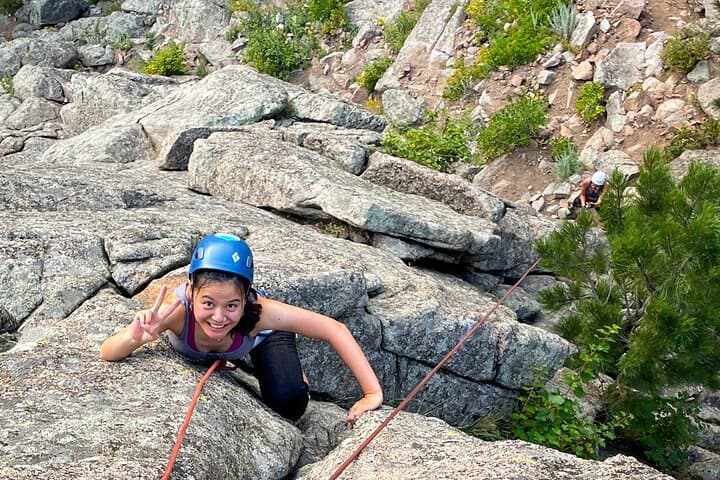
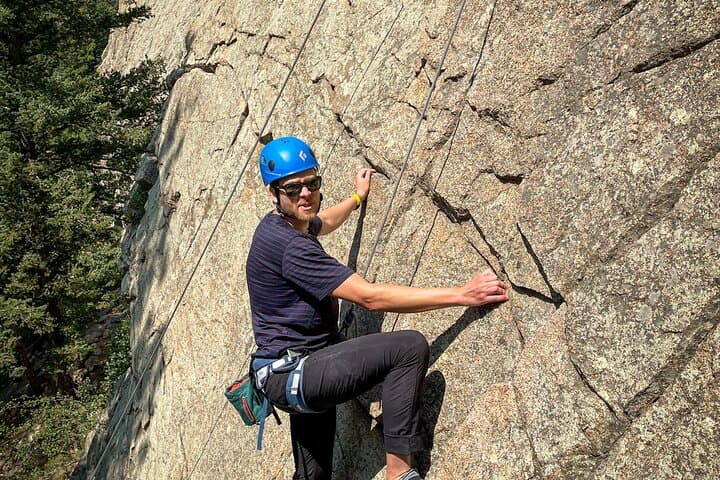
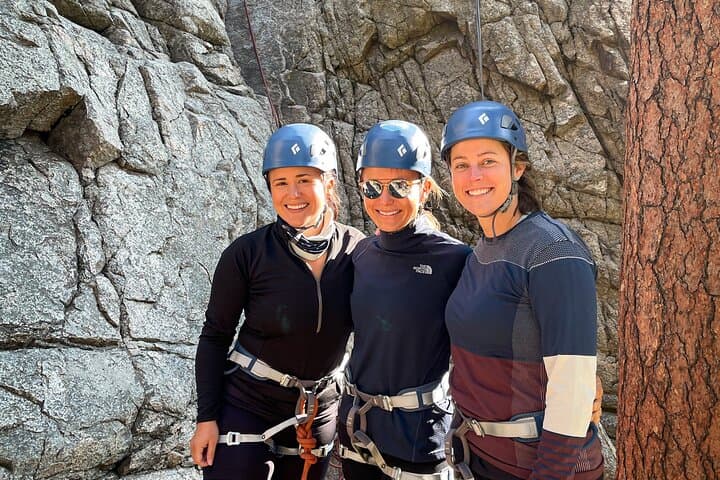
The canyon cuts a sharp line east of downtown Boulder—granite faces and banded gneiss leaning into blue Colorado sky. You meet at the small parking apron for Boulder Canyon Trail, heft a harness and helmet handed over by a guide whose chalky palms look like a map of routes. The day begins with a short, ten-minute hike—an approach that barely raises the heart rate but drops you immediately under vertical rock, sun warming the wall while a cool current of canyon air slides down toward the creek.
Verified experiences and guided adventures in the surrounding area.
Operated by Summit Ascents International · Boulder, Colorado
The canyon cuts a sharp line east of downtown Boulder—granite faces and banded gneiss leaning into blue Colorado sky. You meet at the small parking apron for Boulder Canyon Trail, heft a harness and helmet handed over by a guide whose chalky palms look like a map of routes. The day begins with a short, ten-minute hike—an approach that barely raises the heart rate but drops you immediately under vertical rock, sun warming the wall while a cool current of canyon air slides down toward the creek.
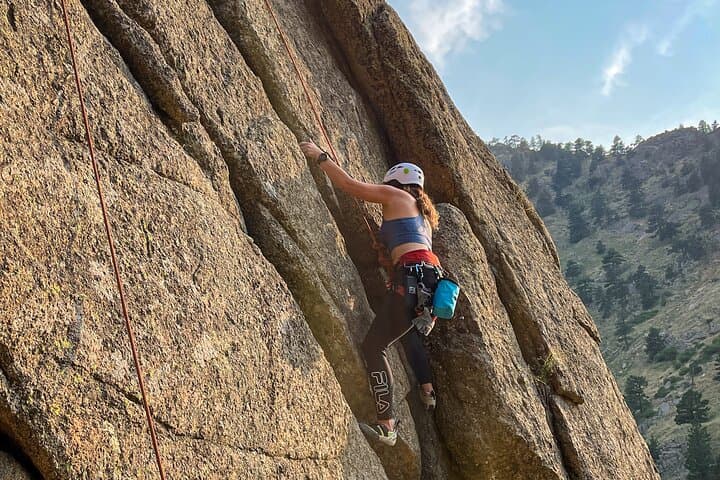
Boulder’s cliffs are legible geology: Precambrian rock that laughs at erosion and offers edges, cracks, and pockets for every level of climber. The town itself has deep climbing roots—postwar alpinists and later sport-climbing pioneers turned this stretch of Front Range into a training ground for big mountains. Indigenous peoples, including the Ute and Arapaho, once followed game and water through these same coulees; modern climbers now trace temporary lines up faces that have held human hands for decades.
On a private guided climb you get more than a belay: you get focused skill-building. Guides fit your harness and shoes, review knots and safety protocols, and tailor instruction to your goals—whether that’s learning to lead, refining footwork, or simply topping out on a clean, exposed pitch. Routes accessed from the short approach are commonly top-rope or single-pitch sport/trad lines graded from beginner-friendly 5.6s to technically demanding 5.11s. Expect a total outing time of roughly four hours: a calm cadence of instruction, rotation on the rope, and time to breathe in the view from belays.
Practical details matter. The approach is short—about 0.2–0.4 miles—with minimal elevation gain (roughly 50–150 ft). Terrain underfoot is mixed dirt and rock; sticky-soled climbing shoes will do fine once you change at the base. Guides supply ropes, harnesses, helmets, and belay devices; bring a small daypack with water, layered clothing, and snacks. Summer sun can be intense; spring and fall bring variable temperatures and the risk of wet rock.
This private session is ideal for climbers who want concentrated coaching in a classic Front Range setting. Leave no trace, respect posted closures (especially during raptor nesting season), and arrive ready to sweat. At the top, the view slices across Boulder to the plains beyond—a clear reward for hands that trusted small edges and a rope that refused to let you fall.
challenging.
4 hours.
Participants should be in good cardiovascular shape and comfortable with moderate upper-body exertion; muscular endurance helps for sustained moves.
No—guides will teach basics from knots and belay technique to movement; sessions are tailored to your experience level.
Guides provide harnesses, helmets, ropes, and belay devices; you can borrow climbing shoes in many cases but confirm in advance.
The approach is short—about a 10-minute walk (roughly 0.2–0.4 miles) with minor elevation gain.
Yes—guides can teach lead techniques and supervise progressive lead practice if you're physically ready and request it ahead of time.
Bring 1–2 liters of water, electrolyte snacks, and a compact lunch or energy bars for the four-hour session.
Participants should be physically fit; those with cardiovascular issues are advised not to participate—confirm age limits with the operator when booking.
Boulder became a climbing hub in the mid-20th century as alpinists and sport climbers developed routes on Front Range cliffs; the area still draws technical climbers and beginners alike.
Practice Leave No Trace, avoid climbing closed routes during raptor nesting, and pack out all trash—local access depends on climbers protecting the landscape.
Summit Ascents International operates guided outdoor trips and adventures with an emphasis on safety, stewardship, and memorable experiences.
The canyon cuts a sharp line east of downtown Boulder—granite faces and banded gneiss leaning into blue Colorado sky. You meet at the small parking apron for Boulder Canyon Trail, heft a harness and helmet handed over by a guide whose chalky palms look like a map of routes. The day begins with a short, ten-minute hike—an approach that barely raises the heart rate but drops you immediately under vertical rock, sun warming the wall while a cool current of canyon air slides down toward the creek.
The canyon cuts a sharp line east of downtown Boulder—granite faces and banded gneiss leaning into blue Colorado sky. You meet at the small parking apron for Boulder Canyon Trail, heft a harness and helmet handed over by a guide whose chalky palms look like a map of routes. The day begins with a short, ten-minute hike—an approach that barely raises the heart rate but drops you immediately under vertical rock, sun warming the wall while a cool current of canyon air slides down toward the creek.
Boulder’s cliffs are legible geology: Precambrian rock that laughs at erosion and offers edges, cracks, and pockets for every level of climber. The town itself has deep climbing roots—postwar alpinists and later sport-climbing pioneers turned this stretch of Front Range into a training ground for big mountains. Indigenous peoples, including the Ute and Arapaho, once followed game and water through these same coulees; modern climbers now trace temporary lines up faces that have held human hands for decades.
On a private guided climb you get more than a belay: you get focused skill-building. Guides fit your harness and shoes, review knots and safety protocols, and tailor instruction to your goals—whether that’s learning to lead, refining footwork, or simply topping out on a clean, exposed pitch. Routes accessed from the short approach are commonly top-rope or single-pitch sport/trad lines graded from beginner-friendly 5.6s to technically demanding 5.11s. Expect a total outing time of roughly four hours: a calm cadence of instruction, rotation on the rope, and time to breathe in the view from belays.
Practical details matter. The approach is short—about 0.2–0.4 miles—with minimal elevation gain (roughly 50–150 ft). Terrain underfoot is mixed dirt and rock; sticky-soled climbing shoes will do fine once you change at the base. Guides supply ropes, harnesses, helmets, and belay devices; bring a small daypack with water, layered clothing, and snacks. Summer sun can be intense; spring and fall bring variable temperatures and the risk of wet rock.
This private session is ideal for climbers who want concentrated coaching in a classic Front Range setting. Leave no trace, respect posted closures (especially during raptor nesting season), and arrive ready to sweat. At the top, the view slices across Boulder to the plains beyond—a clear reward for hands that trusted small edges and a rope that refused to let you fall.