THE ADVENTURE COLLECTIVE® · Independent discovery and booking for outdoor travel

Escape Marrakech for a private day in the Ourika Valley and Atlas Mountains—hike to Setti Fatma’s waterfalls, visit Berber workshops, and learn about argan oil production. A private guide tailors the pace and cultural stops for families and small groups.
Escape Marrakech for a private day in the Ourika Valley and Atlas Mountains—hike to Setti Fatma’s waterfalls, visit Berber workshops, and learn about argan oil production. A private guide tailors the pace and cultural stops for families and small groups.
You step out of Marrakech's dust and into an hour of changing light: the city’s ochre fades behind you as the road climbs, olive terraces and argan trees sliding past like pages. The Atlas slopes open—the river in the valley daring you onward—until Setti Fatma appears, a stone village wrapped around cool water and the scent of wood smoke.
Verified experiences and guided adventures in the surrounding area.
Operated by AnnoQri Travel Services · Marrakech, Marrakech-Safi
You step out of Marrakech's dust and into an hour of changing light: the city’s ochre fades behind you as the road climbs, olive terraces and argan trees sliding past like pages. The Atlas slopes open—the river in the valley daring you onward—until Setti Fatma appears, a stone village wrapped around cool water and the scent of wood smoke.
The Ourika Valley sits on the southern foothills of the High Atlas, formed by tectonic uplift and carved by seasonal rivers. Berber (Amazigh) villages dot the slopes; many families here maintain traditional pottery, rug weaving, and argan pressing techniques passed through generations. The waterfalls above Setti Fatma—seven main cascades on trails that range from flat riverbank walks to stepped rocky sections—are local landmarks and long favored for picnics and pilgrimage.
On this private tour you move at your own pace: stops at a women’s argan cooperative, a pottery workshop, and a weaving demonstration offer tangible insight into daily life, while a guided 45–90 minute hike along the river brings you to the lower cascades. Expect river-polished stones, shallow pools, and sunlit gullies where raptors wheel overhead.
Practical guidance: plan an early departure from Marrakech to avoid mid-day heat, wear grippy shoes for wet rocks, carry 1–2 liters of water and small bills for cooperatives. The hike is family-friendly but uneven in places; a local guide improves both safety and cultural context. Leave no trace, support local artisans directly, and allow time for a leisurely riverside lunch—this is a day that pairs short, accessible hiking with meaningful cultural exchange.
moderate.
8–9 hours.
Moderate fitness: able to walk 1–3 miles on uneven terrain with short uphill sections
The guided hike to the main cascades is typically 45–90 minutes round-trip depending on pace and how many falls you visit; trails are easy to moderate.
This private tour generally includes guided access and stops but not restaurant meals; confirm with the operator if any local access fees apply.
Yes—paths are family-friendly but can be steep or slippery in places; travelers with limited mobility should alert the operator ahead of time.
Yes, the tour visits cooperatives and artisan workshops—bring cash, ask about production methods, and be prepared to bargain politely for handcrafted items.
The Ourika Valley has long been inhabited by Amazigh (Berber) communities whose crafts—pottery, weaving, and argan production—reflect a rural economy sustained for centuries; the High Atlas itself is the result of African and Eurasian plate collision.
Tourism supports local cooperatives but can strain fragile riverbanks and trails; stay on marked paths, refuse single-use plastics, and buy directly from artisans to ensure community benefit.
AnnoQri Travel Services operates guided outdoor trips and adventures with an emphasis on safety, stewardship, and memorable experiences.
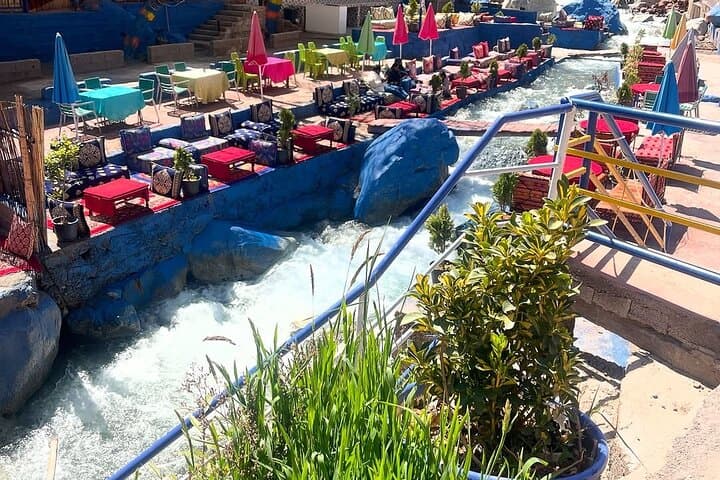
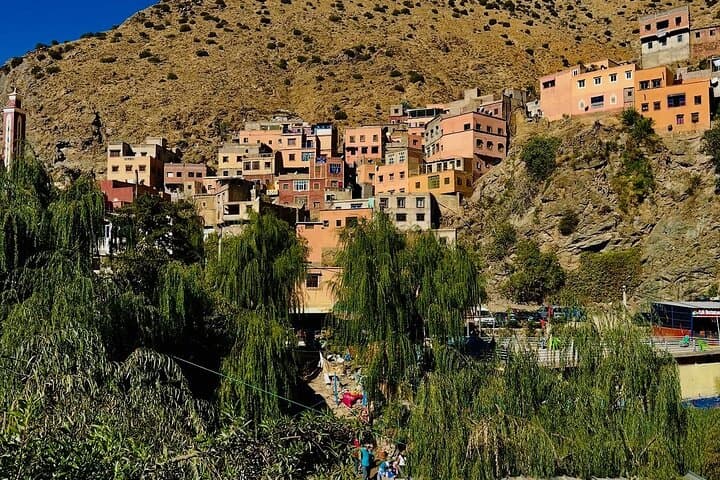
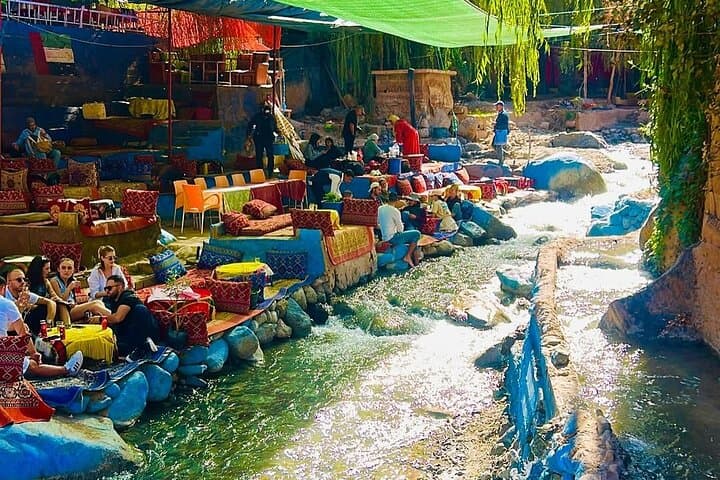
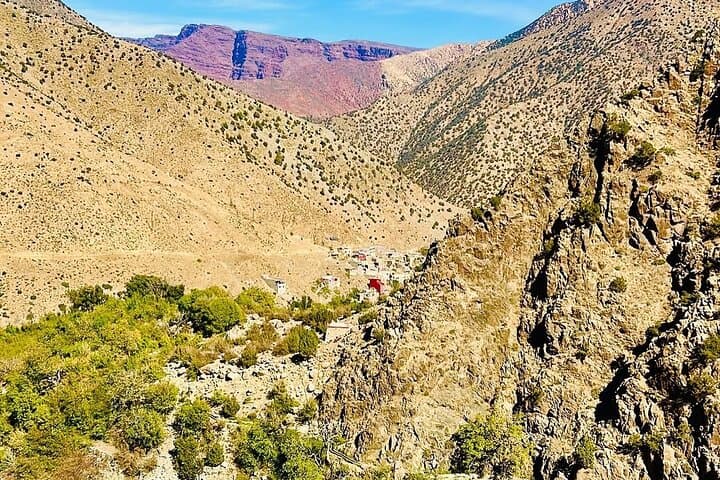
You step out of Marrakech's dust and into an hour of changing light: the city’s ochre fades behind you as the road climbs, olive terraces and argan trees sliding past like pages. The Atlas slopes open—the river in the valley daring you onward—until Setti Fatma appears, a stone village wrapped around cool water and the scent of wood smoke.
You step out of Marrakech's dust and into an hour of changing light: the city’s ochre fades behind you as the road climbs, olive terraces and argan trees sliding past like pages. The Atlas slopes open—the river in the valley daring you onward—until Setti Fatma appears, a stone village wrapped around cool water and the scent of wood smoke.
The Ourika Valley sits on the southern foothills of the High Atlas, formed by tectonic uplift and carved by seasonal rivers. Berber (Amazigh) villages dot the slopes; many families here maintain traditional pottery, rug weaving, and argan pressing techniques passed through generations. The waterfalls above Setti Fatma—seven main cascades on trails that range from flat riverbank walks to stepped rocky sections—are local landmarks and long favored for picnics and pilgrimage.
On this private tour you move at your own pace: stops at a women’s argan cooperative, a pottery workshop, and a weaving demonstration offer tangible insight into daily life, while a guided 45–90 minute hike along the river brings you to the lower cascades. Expect river-polished stones, shallow pools, and sunlit gullies where raptors wheel overhead.
Practical guidance: plan an early departure from Marrakech to avoid mid-day heat, wear grippy shoes for wet rocks, carry 1–2 liters of water and small bills for cooperatives. The hike is family-friendly but uneven in places; a local guide improves both safety and cultural context. Leave no trace, support local artisans directly, and allow time for a leisurely riverside lunch—this is a day that pairs short, accessible hiking with meaningful cultural exchange.