THE ADVENTURE COLLECTIVE® · Independent discovery and booking for outdoor travel

Leave Marrakech for a customizable day in the Ourika Valley and Atlas foothills—visit Berber villages, an argan cooperative and the Seven Waterfalls. This private tour blends short drives with a steep, rewarding hike and plenty of local insight.
Leave Marrakech for a customizable day in the Ourika Valley and Atlas foothills—visit Berber villages, an argan cooperative and the Seven Waterfalls. This private tour blends short drives with a steep, rewarding hike and plenty of local insight.
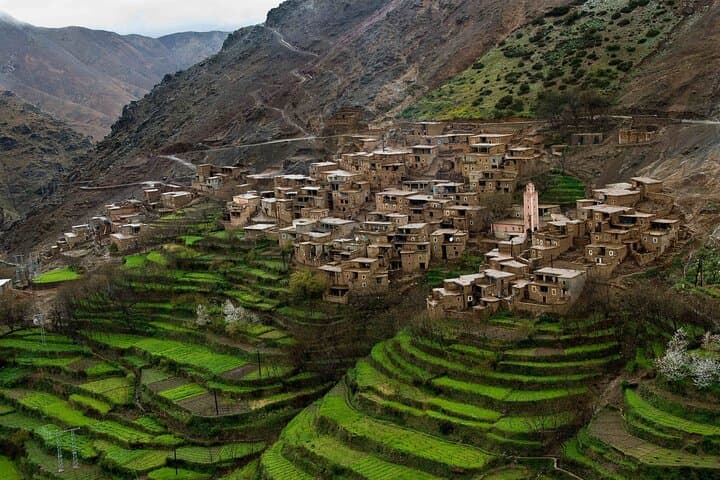
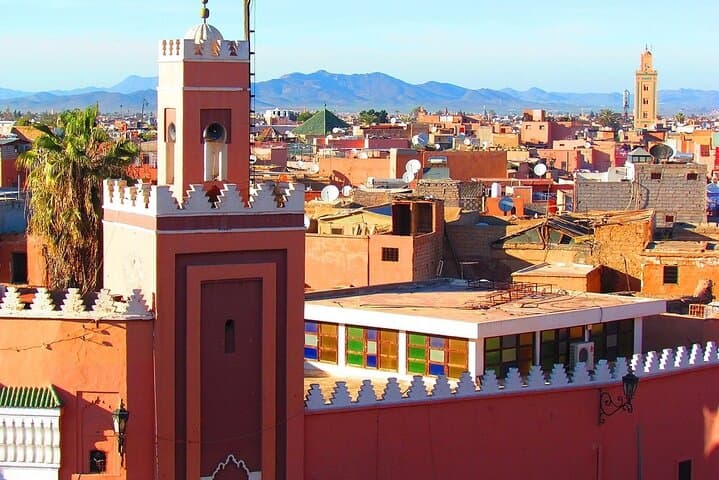
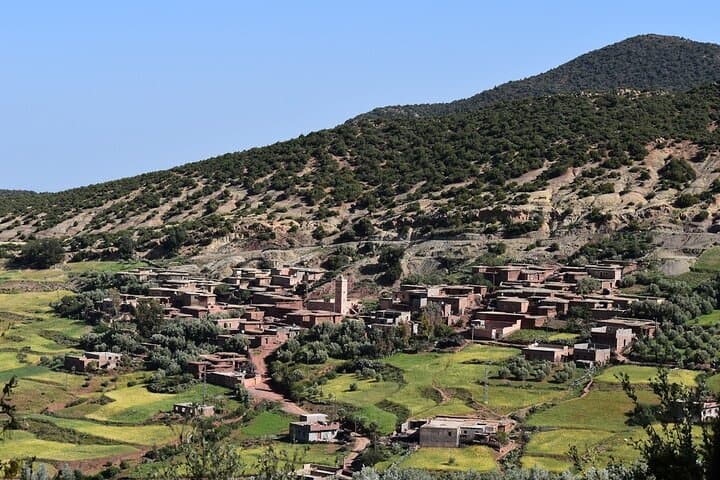
The driver eases out of Marrakech’s ochre grid and the city’s din recedes into a line of argan trees and low ridgelines. Windows frame terraced fields and a river that dares you to follow it upstream; by midmorning you’ll be stepping onto the mule-track trails above Setti Fatma, where the Seven Waterfalls tumble in stepped cascades through a narrow gorge.
Verified experiences and guided adventures in the surrounding area.
Operated by Welcome Pickups · Setti Fatma, Marrakech-Safi
The driver eases out of Marrakech’s ochre grid and the city’s din recedes into a line of argan trees and low ridgelines. Windows frame terraced fields and a river that dares you to follow it upstream; by midmorning you’ll be stepping onto the mule-track trails above Setti Fatma, where the Seven Waterfalls tumble in stepped cascades through a narrow gorge.
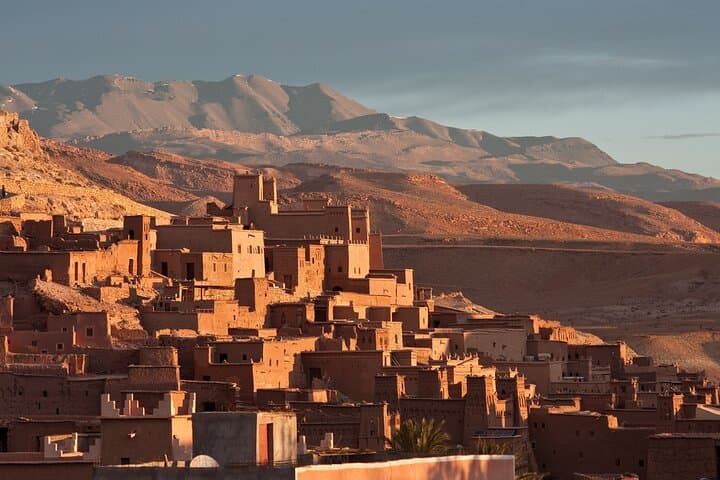
Geology here is blunt and readable: the High Atlas rose from compressing plates, leaving folded schist and granite carved by seasonal torrents. The valley has long been home to Amazigh (Berber) communities who farm the slopes and trade in argan oil, woven goods and seasonal produce; roadside souks still pulse on market days. Local cooperatives—many run by women—are a modern layer on centuries-old subsistence patterns.
Practicalities shape the day: the drive from Marrakech is roughly 45–60 minutes each way depending on traffic, and the tour is fully customizable so you can linger at cooperatives, stroll village lanes, or push up to the higher falls. The trail to the main cascades is steep in places, with uneven stone steps and loose rock; expect 1–2 hours of walking if you reach the upper tiers. Bring water, sturdy footwear, sun protection and a light layer for the shade-cooled ravine. Use your guide/driver’s local knowledge—ask for quieter viewpoints, confirm market opening days (Monday is busy), and tip cooperatives directly if you buy local products.
This is a day where culture, geology and active exploration meet: short drives, simple hikes, and a clear reward—cool water, layered rock faces and plainspoken mountain hospitality.
moderate.
8 hours.
Basic to moderate fitness; able to walk on uneven trails for up to 2 hours and ascend short, steep sections.
Expect roughly 45–60 minutes each way depending on traffic and your chosen stops along the way.
Parts are steep with uneven stone steps; it’s a moderate hike—suitable for most people with reasonable mobility but shoes and attention are recommended.
Yes—many tours stop at women’s cooperatives where you can see production and purchase argan oil, soaps and crafts; bring cash and ask about sustainable sourcing.
The drive and village visits are family-friendly, but the waterfall trail is not stroller-accessible; shorter, flatter village walks are possible for families with young children.
The Ourika Valley has been inhabited by Amazigh (Berber) communities for centuries; terraces and small-scale agriculture reflect longstanding mountain livelihoods.
Argan woodlands and riverine habitats are sensitive to overuse—support local cooperatives, stay on trails and avoid single-use plastics to minimize impact.
Welcome Pickups operates guided outdoor trips and adventures with an emphasis on safety, stewardship, and memorable experiences.
The driver eases out of Marrakech’s ochre grid and the city’s din recedes into a line of argan trees and low ridgelines. Windows frame terraced fields and a river that dares you to follow it upstream; by midmorning you’ll be stepping onto the mule-track trails above Setti Fatma, where the Seven Waterfalls tumble in stepped cascades through a narrow gorge.
The driver eases out of Marrakech’s ochre grid and the city’s din recedes into a line of argan trees and low ridgelines. Windows frame terraced fields and a river that dares you to follow it upstream; by midmorning you’ll be stepping onto the mule-track trails above Setti Fatma, where the Seven Waterfalls tumble in stepped cascades through a narrow gorge.
Geology here is blunt and readable: the High Atlas rose from compressing plates, leaving folded schist and granite carved by seasonal torrents. The valley has long been home to Amazigh (Berber) communities who farm the slopes and trade in argan oil, woven goods and seasonal produce; roadside souks still pulse on market days. Local cooperatives—many run by women—are a modern layer on centuries-old subsistence patterns.
Practicalities shape the day: the drive from Marrakech is roughly 45–60 minutes each way depending on traffic, and the tour is fully customizable so you can linger at cooperatives, stroll village lanes, or push up to the higher falls. The trail to the main cascades is steep in places, with uneven stone steps and loose rock; expect 1–2 hours of walking if you reach the upper tiers. Bring water, sturdy footwear, sun protection and a light layer for the shade-cooled ravine. Use your guide/driver’s local knowledge—ask for quieter viewpoints, confirm market opening days (Monday is busy), and tip cooperatives directly if you buy local products.
This is a day where culture, geology and active exploration meet: short drives, simple hikes, and a clear reward—cool water, layered rock faces and plainspoken mountain hospitality.