THE ADVENTURE COLLECTIVE® · Independent discovery and booking for outdoor travel

A private, customizable 7‑hour walking tour from Sapporo to Otaru that combines canal-side history, glass artisans, sake tasting and panoramic views. Choose 3–4 stops and let a licensed English guide sculpt the day to your interests.
A private, customizable 7‑hour walking tour from Sapporo to Otaru that combines canal-side history, glass artisans, sake tasting and panoramic views. Choose 3–4 stops and let a licensed English guide sculpt the day to your interests.
The whistle of the local train fades as you step onto Otaru’s compact platform — salt-sweet air and the low call of gulls frame a city that once moved goods by barge. Over seven hours a licensed English-speaking guide leads a walking loop through stone warehouses, glass studios and narrow merchant lanes, with a 45-minute train each way from Sapporo.
Verified experiences and guided adventures in the surrounding area.
Operated by Japan Guide Agency · Otaru, Hokkaido
The whistle of the local train fades as you step onto Otaru’s compact platform — salt-sweet air and the low call of gulls frame a city that once moved goods by barge. Over seven hours a licensed English-speaking guide leads a walking loop through stone warehouses, glass studios and narrow merchant lanes, with a 45-minute train each way from Sapporo.
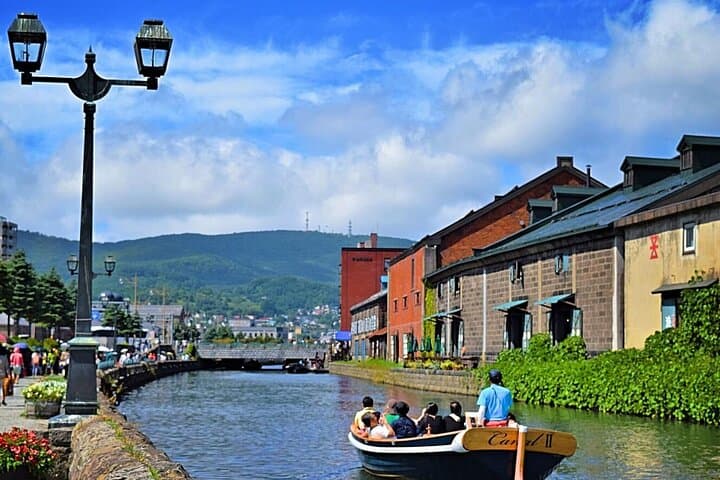
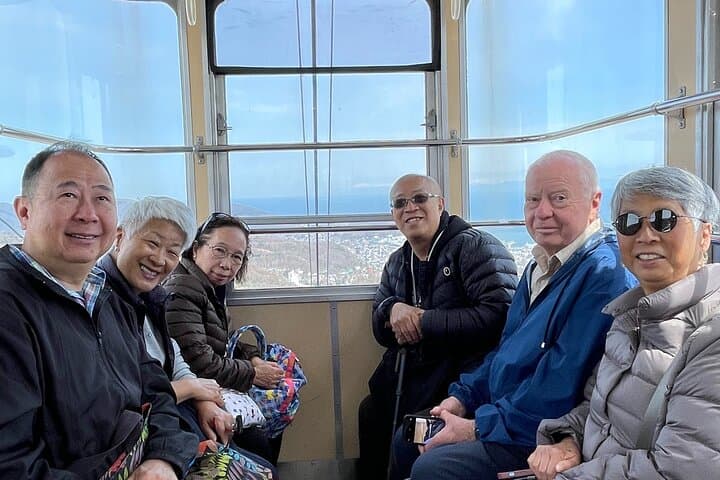
Otaru grew into Hokkaido’s financial and shipping hub in the late 19th and early 20th centuries; the canal and brick warehouses were built to extend the reach of maritime trade. Geologically the town sits on coastal terraces facing the Sea of Japan, and a short drive or ropeway to Mt. Tengu rewards visitors with headland views toward the Shakotan Peninsula. Locally, glasswork and sake production are living crafts — galleries, family-run breweries and small ateliers populate Sakaimachi and the lanes off the canal.
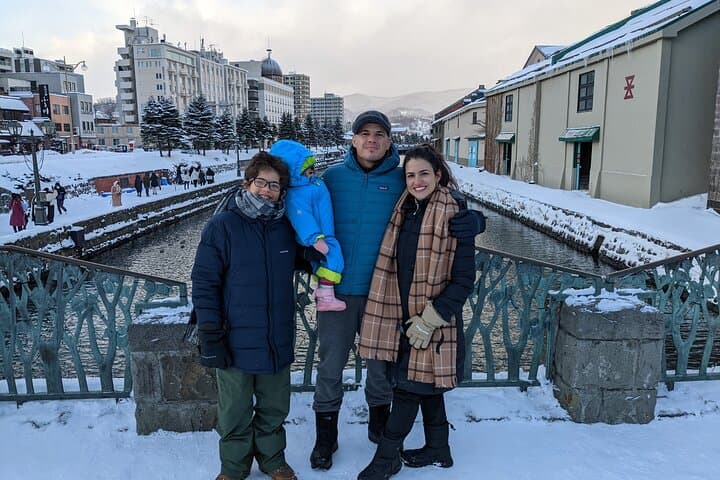
Guests choose three to four sites — classic stops include the canal promenade, Sakaimachi shopping street, Tanaka Sake Brewery, and the Nitori Museum of Art or a glassblowing demo — allowing a tailor-made balance of history, food, and craft. Practicalities: meet your guide on foot in Sapporo, expect moderate walking on paved and cobbled surfaces, and plan for about 7 hours including train transfers. Bring waterproof layers, comfortable shoes, local currency for small shops and tasting rooms, and time your visit outside peak train hours to avoid crowds. The guide can adapt pacing for families or mobility needs, making this a flexible introduction to Otaru’s maritime past and contemporary craft scene.
easy.
7 hours.
Suitable for most fitness levels — expect several miles of easy to moderate walking on paved and cobbled streets.
Meeting is on foot at an agreed public spot in Sapporo; confirm the exact address with your operator when booking.
Yes — the tour is private and the guide will craft the day around your selection of 3–4 sites from the suggested list.
Many streets and main attractions have accessible routes, but some cobbled areas and older buildings may have steps; advise the guide of accessibility needs ahead of time.
Admissions and tastings are typically not included unless specified; bring cash for optional entry fees and samples.
Otaru expanded rapidly during Hokkaido’s development era as a major port and banking center; many early 20th‑century stone warehouses survive as museums, shops and galleries.
Otaru balances tourism with preservation of historic buildings and waterfronts; visitors are encouraged to use public transit, minimize single‑use plastics, and follow signage at protected spots.
Japan Guide Agency operates guided outdoor trips and adventures with an emphasis on safety, stewardship, and memorable experiences.

The whistle of the local train fades as you step onto Otaru’s compact platform — salt-sweet air and the low call of gulls frame a city that once moved goods by barge. Over seven hours a licensed English-speaking guide leads a walking loop through stone warehouses, glass studios and narrow merchant lanes, with a 45-minute train each way from Sapporo.
The whistle of the local train fades as you step onto Otaru’s compact platform — salt-sweet air and the low call of gulls frame a city that once moved goods by barge. Over seven hours a licensed English-speaking guide leads a walking loop through stone warehouses, glass studios and narrow merchant lanes, with a 45-minute train each way from Sapporo.
Otaru grew into Hokkaido’s financial and shipping hub in the late 19th and early 20th centuries; the canal and brick warehouses were built to extend the reach of maritime trade. Geologically the town sits on coastal terraces facing the Sea of Japan, and a short drive or ropeway to Mt. Tengu rewards visitors with headland views toward the Shakotan Peninsula. Locally, glasswork and sake production are living crafts — galleries, family-run breweries and small ateliers populate Sakaimachi and the lanes off the canal.
Guests choose three to four sites — classic stops include the canal promenade, Sakaimachi shopping street, Tanaka Sake Brewery, and the Nitori Museum of Art or a glassblowing demo — allowing a tailor-made balance of history, food, and craft. Practicalities: meet your guide on foot in Sapporo, expect moderate walking on paved and cobbled surfaces, and plan for about 7 hours including train transfers. Bring waterproof layers, comfortable shoes, local currency for small shops and tasting rooms, and time your visit outside peak train hours to avoid crowds. The guide can adapt pacing for families or mobility needs, making this a flexible introduction to Otaru’s maritime past and contemporary craft scene.