THE ADVENTURE COLLECTIVE® · Independent discovery and booking for outdoor travel

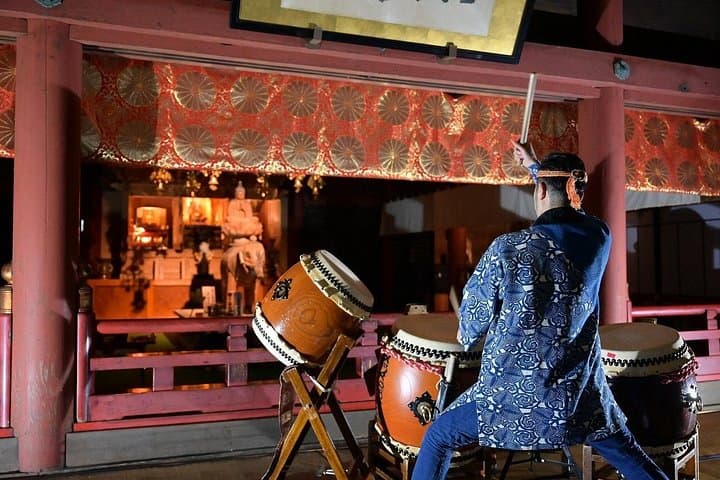
Experience the raw pulse of Osuwa Daiko at Suwa-Taisha and Buppou-syoryuji Temple. This private, guided performance pairs hands-on drumming, shrine history, and a communal prayer led by local custodians of the tradition.
Experience the raw pulse of Osuwa Daiko at Suwa-Taisha and Buppou-syoryuji Temple. This private, guided performance pairs hands-on drumming, shrine history, and a communal prayer led by local custodians of the tradition.
You arrive under a broad eave of painted timber; the air carries cedar sap and the distant, slow echo of drum skin. A small group files past stone lanterns toward Suwa-Taisha Upper Shrine, where centuries of belief press quietly into the architecture and the hills beyond seem to listen.
Verified experiences and guided adventures in the surrounding area.
Operated by Attractive JAPAN · Suwa, Nagano
You arrive under a broad eave of painted timber; the air carries cedar sap and the distant, slow echo of drum skin. A small group files past stone lanterns toward Suwa-Taisha Upper Shrine, where centuries of belief press quietly into the architecture and the hills beyond seem to listen.
Suwa-Taisha is one of Japan’s oldest shrine complexes, linked to mountain and lake worship and the quadrennial Onbashira pillar rites that animate local identity. The temple tied to the shrine—Buppou-syoryuji—preserved rituals through periods of religious upheaval, keeping a living thread of natural faith. The geology here is honest: volcanic highlands that shape microclimates, peat-soils around Lake Suwa, and ridgelines that channel winter gusts.
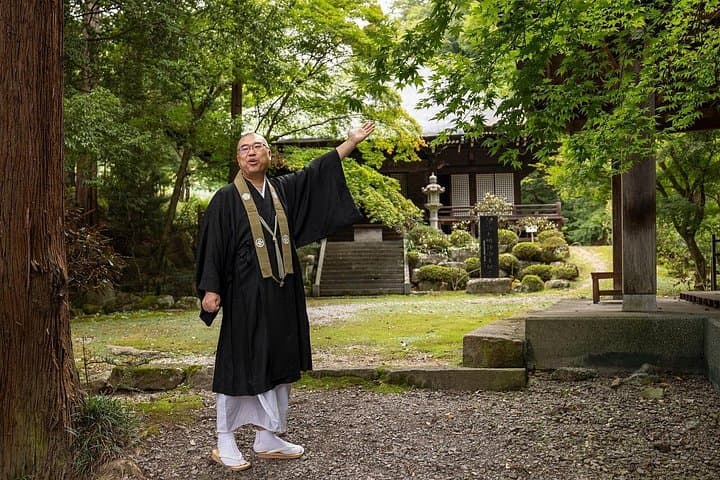
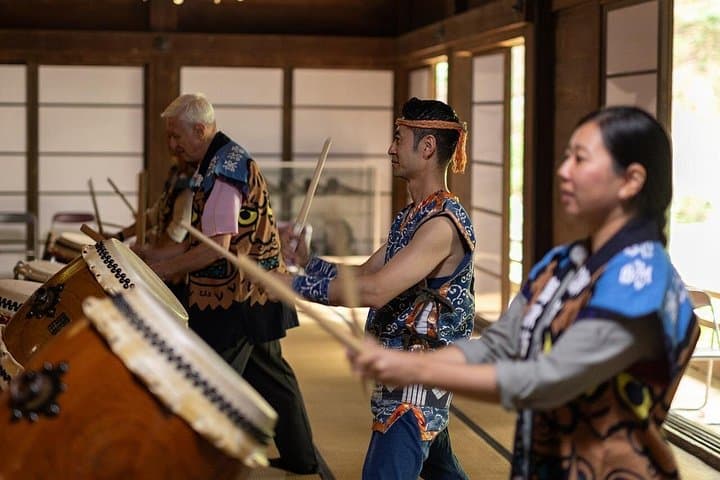
The tour pairs a focused cultural lecture with a private Osuwa Daiko dedication performance. Expect a guided walk through shrine grounds, a window into Shinto-Buddhist interaction, then the visceral pulse of taiko drums up close. Mr. Yamamoto, custodian of the drumming lineage, frames technique with history, and guests may try basic rhythms under direction.
Practically: plan for a 4‑hour window, dress modestly and in layers for cold months, and follow shrine etiquette (quiet, shoes off where requested, no intrusive flash photography). Masks are required during the experience. Bring cash for temple offerings and be punctual—taxis link the meeting point to the shrine. This is not a spectacle but an intimate cultural exchange: expect to leave with a clearer sense of how sound, place, and devotion shape daily life around Suwa.
easy.
4 hours.
Suitable for all fitness levels; mostly walking on paved and compacted paths with short standing periods during performances.
Yes—this tour is family-friendly, though infants must sit on laps; the rhythm and volume can be intense for very young children.
Photography rules vary by shrine; your guide will advise—avoid flash and refrain from recording during prayers or when instructed.
Paths are generally paved but may include steps; contact the operator ahead for specific mobility needs and taxi access details.
This is an all-sales-final booking; the itinerary proceeds in most weather, but heavy conditions may affect comfort—dress for seasonal conditions.
Suwa-Taisha is an ancient shrine complex central to regional identity; the Onbashira festival (renewing sacred pillars) is a high-profile local rite that reflects mountain worship traditions.
Respect temple grounds by staying on paths, avoiding single-use plastics at sites, and following photography and behavior guidelines to protect sacred spaces.
Attractive JAPAN operates guided outdoor trips and adventures with an emphasis on safety, stewardship, and memorable experiences.
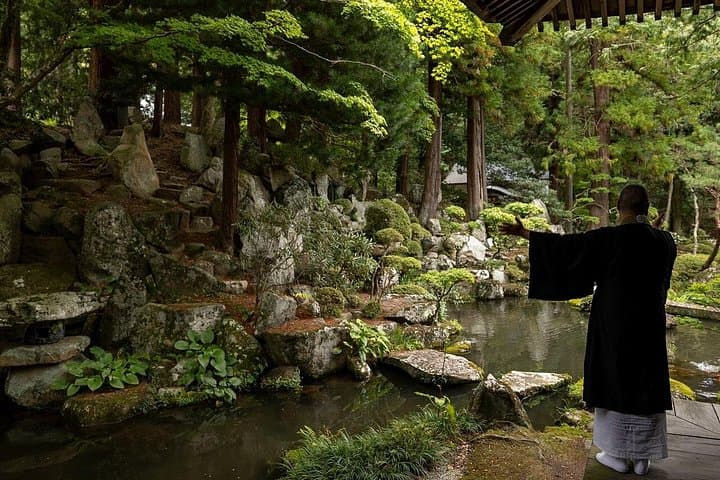
You arrive under a broad eave of painted timber; the air carries cedar sap and the distant, slow echo of drum skin. A small group files past stone lanterns toward Suwa-Taisha Upper Shrine, where centuries of belief press quietly into the architecture and the hills beyond seem to listen.
You arrive under a broad eave of painted timber; the air carries cedar sap and the distant, slow echo of drum skin. A small group files past stone lanterns toward Suwa-Taisha Upper Shrine, where centuries of belief press quietly into the architecture and the hills beyond seem to listen.
Suwa-Taisha is one of Japan’s oldest shrine complexes, linked to mountain and lake worship and the quadrennial Onbashira pillar rites that animate local identity. The temple tied to the shrine—Buppou-syoryuji—preserved rituals through periods of religious upheaval, keeping a living thread of natural faith. The geology here is honest: volcanic highlands that shape microclimates, peat-soils around Lake Suwa, and ridgelines that channel winter gusts.
The tour pairs a focused cultural lecture with a private Osuwa Daiko dedication performance. Expect a guided walk through shrine grounds, a window into Shinto-Buddhist interaction, then the visceral pulse of taiko drums up close. Mr. Yamamoto, custodian of the drumming lineage, frames technique with history, and guests may try basic rhythms under direction.
Practically: plan for a 4‑hour window, dress modestly and in layers for cold months, and follow shrine etiquette (quiet, shoes off where requested, no intrusive flash photography). Masks are required during the experience. Bring cash for temple offerings and be punctual—taxis link the meeting point to the shrine. This is not a spectacle but an intimate cultural exchange: expect to leave with a clearer sense of how sound, place, and devotion shape daily life around Suwa.