THE ADVENTURE COLLECTIVE® · Independent discovery and booking for outdoor travel

Drive from Rome to one of Italy’s best-preserved ancient ports for a private guided walk through streets, baths and mosaics. This 4-hour experience pairs door-to-site transport in a deluxe Mercedes with an expert guide to illuminate daily life in Roman Ostia.
Drive from Rome to one of Italy’s best-preserved ancient ports for a private guided walk through streets, baths and mosaics. This 4-hour experience pairs door-to-site transport in a deluxe Mercedes with an expert guide to illuminate daily life in Roman Ostia.
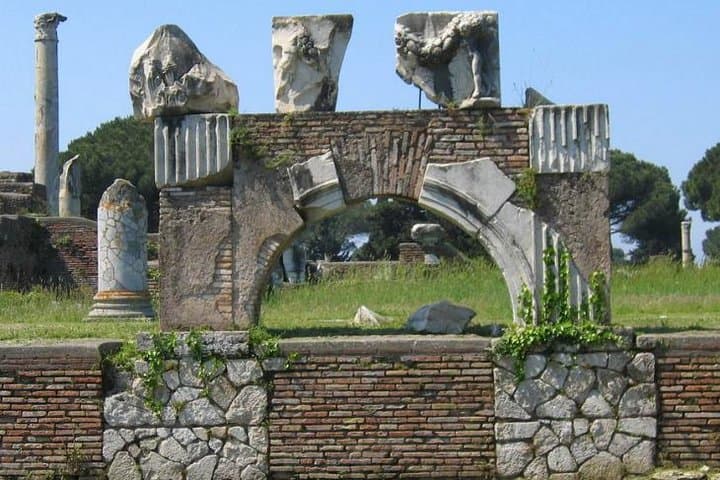
The drive out of Rome slides past modern suburbs and low marshes until the road releases you into wide, wind-scoured open ground where broken columns and faded frescoes lean into the sky.
Verified experiences and guided adventures in the surrounding area.
Operated by Stefano Rome Day Tours · Ostia Antica, Lazio
The drive out of Rome slides past modern suburbs and low marshes until the road releases you into wide, wind-scoured open ground where broken columns and faded frescoes lean into the sky.
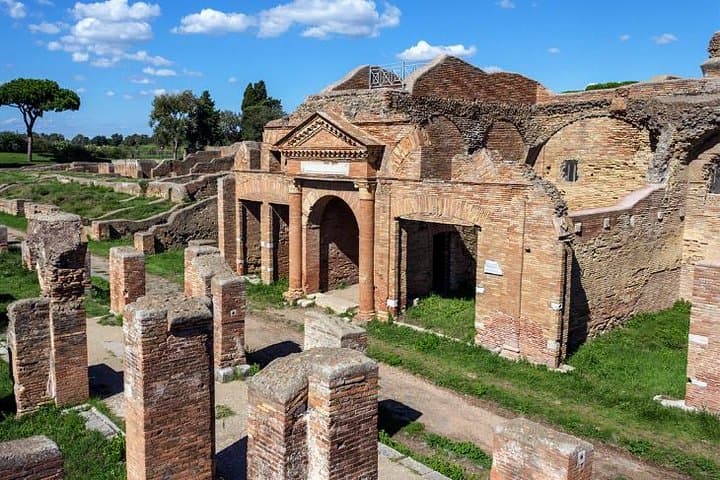
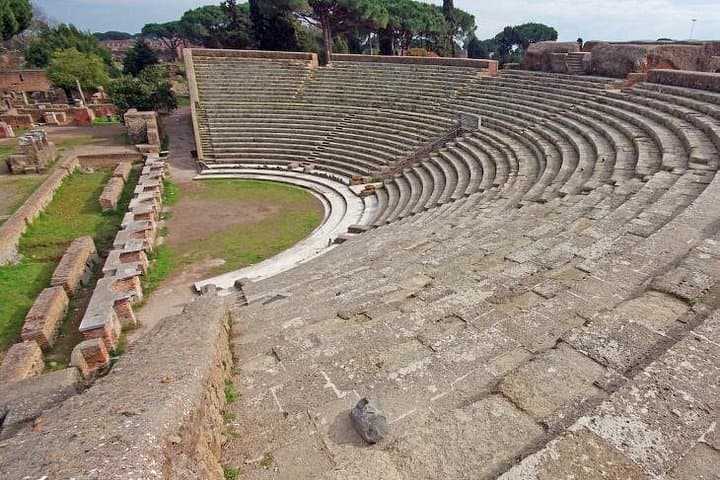
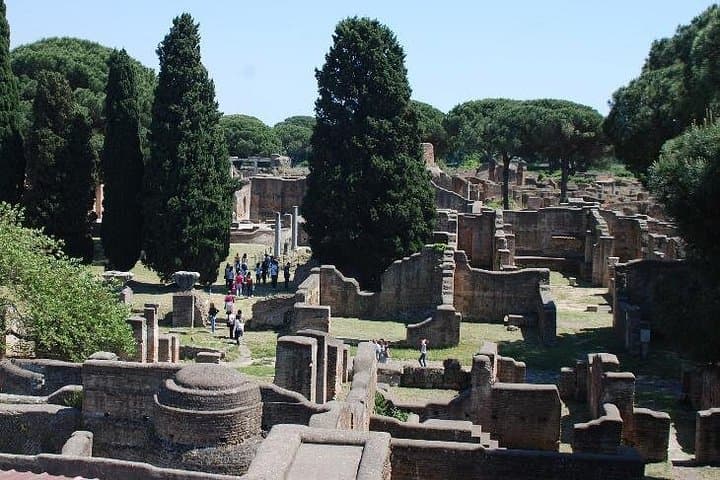
You arrive at Ostia Antica and step onto streets that once carried carts, traders and bathhouse crowds. The guide leads you through long, straight cardo and decumanus lanes, past merchant shops with counter windows, apartment blocks (insulae) and mosaicked baths—each structure offering a visible chapter of urban Roman life.
Ostia’s story starts in Rome’s early centuries and peaks in the 2nd century CE when the harbor district made it a thriving port for grain and trade under emperors like Trajan and Hadrian. Geologically, the site preserves a dynamic coastline: centuries of silt pushed the sea away, burying parts of the city and leaving clean stratified earth that archaeologists have peeled back.
Modern Ostia remains a fishing town: family-run trattorie serve morning catches, and the scent of sea salt threads through the ruins on breezy days. Local culture still orients around the coast; guides will point out reused marbles and graffiti that read like everyday notes from antiquity.
Practical note: this private, four-hour experience combines a chauffeured Mercedes transfer with a roughly two-hour guided walk. Expect uneven stone, some muddy patches after rain, and an entrance fee on-site (around €10). Wear sturdy footwear, bring sun protection and water, and schedule morning or late-afternoon visits to avoid peak heat and crowds. The tour offers the intimacy of a private guide and the convenience of door-to-site transport—ideal for travelers who want history with a direct, low-hassle approach.
moderate.
4 hours.
Light to moderate fitness; mostly walking on uneven ground with occasional short inclines.
No, admission (around €10 per person) is paid at the archaeological park; the private tour covers transport and guide services only.
Pickup is arranged from your Rome accommodation—confirm an exact address and pickup window when you book.
Some areas have wide flat paths, but many sections include broken or uneven stone that limits full wheelchair access; check with the operator for the most accessible routes.
Yes—modern Ostia has family-run restaurants and seafood trattorie; leisure time is typically scheduled so you can eat locally (lunch not included).
Ostia grew into a major port by the 2nd century CE and was later buried by silt, preserving streets and buildings that illuminate ordinary Roman urban life.
The park balances public access with conservation—stay on marked paths to protect fragile mosaics and structural remains, and avoid touching frescoes and carved surfaces.
Stefano Rome Day Tours operates guided outdoor trips and adventures with an emphasis on safety, stewardship, and memorable experiences.
The drive out of Rome slides past modern suburbs and low marshes until the road releases you into wide, wind-scoured open ground where broken columns and faded frescoes lean into the sky.
The drive out of Rome slides past modern suburbs and low marshes until the road releases you into wide, wind-scoured open ground where broken columns and faded frescoes lean into the sky.
You arrive at Ostia Antica and step onto streets that once carried carts, traders and bathhouse crowds. The guide leads you through long, straight cardo and decumanus lanes, past merchant shops with counter windows, apartment blocks (insulae) and mosaicked baths—each structure offering a visible chapter of urban Roman life.
Ostia’s story starts in Rome’s early centuries and peaks in the 2nd century CE when the harbor district made it a thriving port for grain and trade under emperors like Trajan and Hadrian. Geologically, the site preserves a dynamic coastline: centuries of silt pushed the sea away, burying parts of the city and leaving clean stratified earth that archaeologists have peeled back.
Modern Ostia remains a fishing town: family-run trattorie serve morning catches, and the scent of sea salt threads through the ruins on breezy days. Local culture still orients around the coast; guides will point out reused marbles and graffiti that read like everyday notes from antiquity.
Practical note: this private, four-hour experience combines a chauffeured Mercedes transfer with a roughly two-hour guided walk. Expect uneven stone, some muddy patches after rain, and an entrance fee on-site (around €10). Wear sturdy footwear, bring sun protection and water, and schedule morning or late-afternoon visits to avoid peak heat and crowds. The tour offers the intimacy of a private guide and the convenience of door-to-site transport—ideal for travelers who want history with a direct, low-hassle approach.