THE ADVENTURE COLLECTIVE® · Independent discovery and booking for outdoor travel

Explore Osaka on foot with a local expert who tailors a 3–7 hour itinerary to your interests — from bustling Dotonbori streets to quiet shrine alleys. Practical, adaptable, and ideal for small groups wanting an authentic, on-the-ground view of the city.
Explore Osaka on foot with a local expert who tailors a 3–7 hour itinerary to your interests — from bustling Dotonbori streets to quiet shrine alleys. Practical, adaptable, and ideal for small groups wanting an authentic, on-the-ground view of the city.
You step off the subway into a corridor of neon and steaming street food — Osaka greets you with a pulse that quickens the pace of your feet. A local guide falls into step, pointing out a narrow alley where a century-old merchant house leans toward the street and a canal that dares you to follow its reflections.
Verified experiences and guided adventures in the surrounding area.
Operated by The Osaka Tour Company · Osaka, Osaka Prefecture
You step off the subway into a corridor of neon and steaming street food — Osaka greets you with a pulse that quickens the pace of your feet. A local guide falls into step, pointing out a narrow alley where a century-old merchant house leans toward the street and a canal that dares you to follow its reflections.
Osaka grew as Japan’s commercial heart: samurai-era castles, Meiji warehouses turned cafés, and postwar rebuilds stacked side by side. Geologically the city sits on the flat Osaka Plain, shaped by sediment from the Yodo River; that plain makes long, walkable neighborhoods and canals that guide exploration. Culturally, Osaka is frank and food-forward — takoyaki vendors and izakaya counter culture tell as much history as museums.
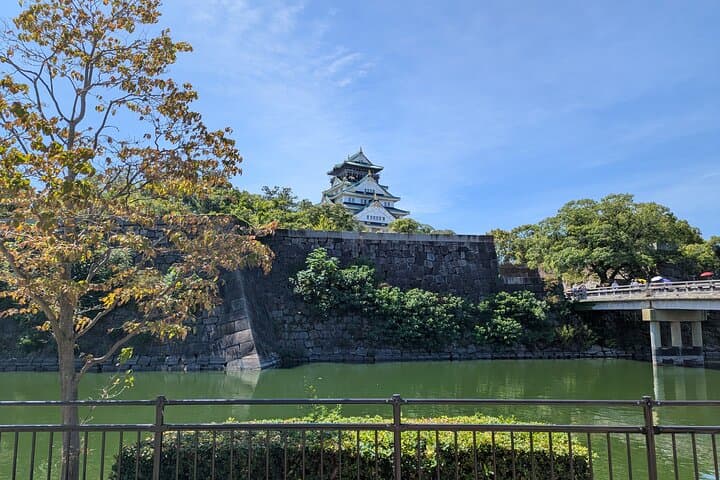
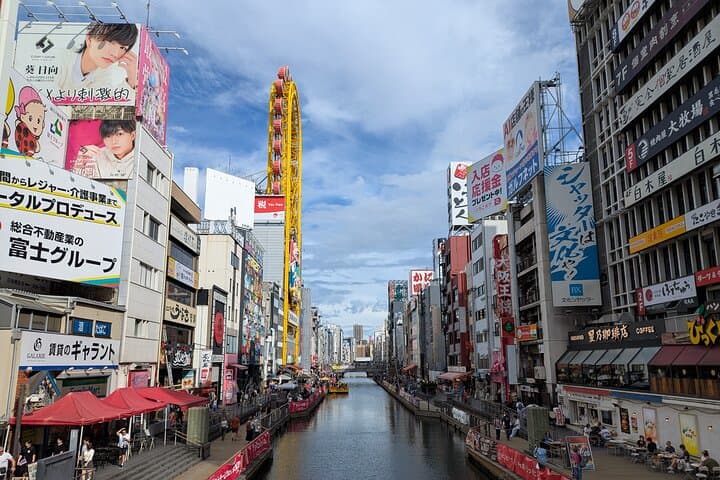
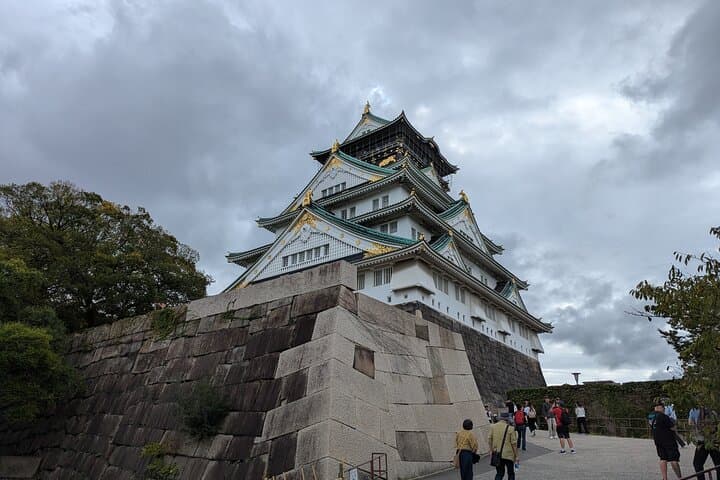
On a private walking tour you can combine landmarks like Osaka Castle or Dotonbori with offbeat alleys, local markets, and shrine courtyards. Guides thread personal stories and practical tips — where to try kushikatsu, how to read a shop curtain, and when to step aside for rush-hour locals.
Plan for three to seven hours depending on pace and interests. Wear supportive shoes, carry water, and pick a start time that avoids midday humidity in summer. Expect flat walking with occasional stairs at castles or temples; the route is adjustable for mobility needs. Bring a lightweight rain layer and a charged phone for photos and map use. A private guide keeps the logistics simple: public-transport directions, local insight, and an adaptable itinerary so you get the parts of Osaka you came to see.
easy.
3–7 hours.
Suitable for most fitness levels; requires sustained walking on flat urban streets and occasional stairs.
Tours are customizable between 3 and 7 hours; discuss your preferred duration with the guide at booking or upon meeting.
Many central streets and markets are accessible; notify the operator in advance so routes can be adapted for mobility needs.
English-speaking guides are provided; request language preferences when booking to confirm availability.
Admissions and meals are typically not included unless specified; expect to pay entry fees or food costs separately.
Osaka developed as a merchant and port city; its merchant culture and postwar reconstruction shaped the compact, walkable neighborhoods you visit.
Respect local spaces by using public transport, minimizing single-use plastics from food stalls, and following shrine signage to protect historic sites.
The Osaka Tour Company operates guided outdoor trips and adventures with an emphasis on safety, stewardship, and memorable experiences.
You step off the subway into a corridor of neon and steaming street food — Osaka greets you with a pulse that quickens the pace of your feet. A local guide falls into step, pointing out a narrow alley where a century-old merchant house leans toward the street and a canal that dares you to follow its reflections.
You step off the subway into a corridor of neon and steaming street food — Osaka greets you with a pulse that quickens the pace of your feet. A local guide falls into step, pointing out a narrow alley where a century-old merchant house leans toward the street and a canal that dares you to follow its reflections.
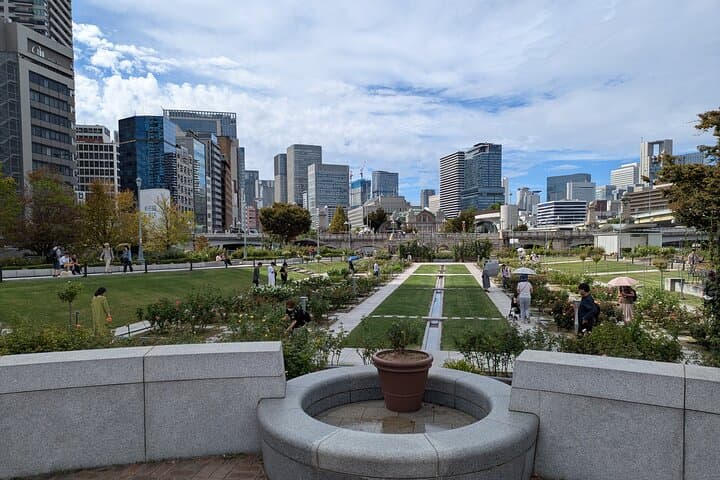
Osaka grew as Japan’s commercial heart: samurai-era castles, Meiji warehouses turned cafés, and postwar rebuilds stacked side by side. Geologically the city sits on the flat Osaka Plain, shaped by sediment from the Yodo River; that plain makes long, walkable neighborhoods and canals that guide exploration. Culturally, Osaka is frank and food-forward — takoyaki vendors and izakaya counter culture tell as much history as museums.
On a private walking tour you can combine landmarks like Osaka Castle or Dotonbori with offbeat alleys, local markets, and shrine courtyards. Guides thread personal stories and practical tips — where to try kushikatsu, how to read a shop curtain, and when to step aside for rush-hour locals.
Plan for three to seven hours depending on pace and interests. Wear supportive shoes, carry water, and pick a start time that avoids midday humidity in summer. Expect flat walking with occasional stairs at castles or temples; the route is adjustable for mobility needs. Bring a lightweight rain layer and a charged phone for photos and map use. A private guide keeps the logistics simple: public-transport directions, local insight, and an adaptable itinerary so you get the parts of Osaka you came to see.