THE ADVENTURE COLLECTIVE® · Independent discovery and booking for outdoor travel

Meet your guide at your hotel and walk Osaka’s contrasts: the stone calm of Osaka Castle, the buzzing neon of Dotonbori, and Shinsekai’s retro lanes. This private, 3–5 hour tour uses public transit and can be customized to your interests.
Meet your guide at your hotel and walk Osaka’s contrasts: the stone calm of Osaka Castle, the buzzing neon of Dotonbori, and Shinsekai’s retro lanes. This private, 3–5 hour tour uses public transit and can be customized to your interests.
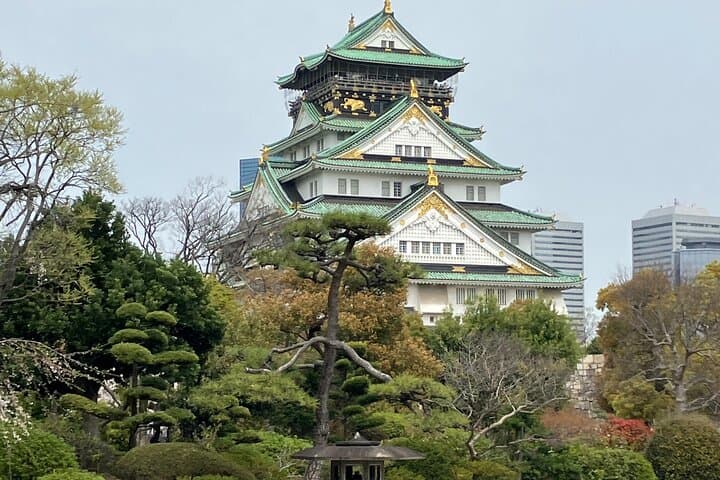
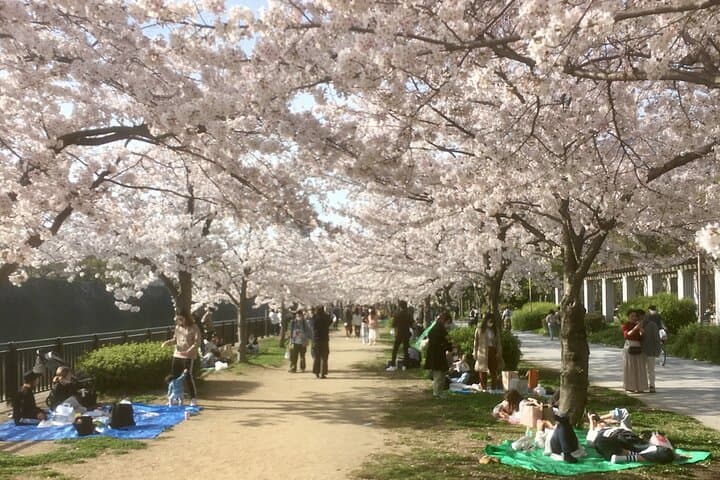
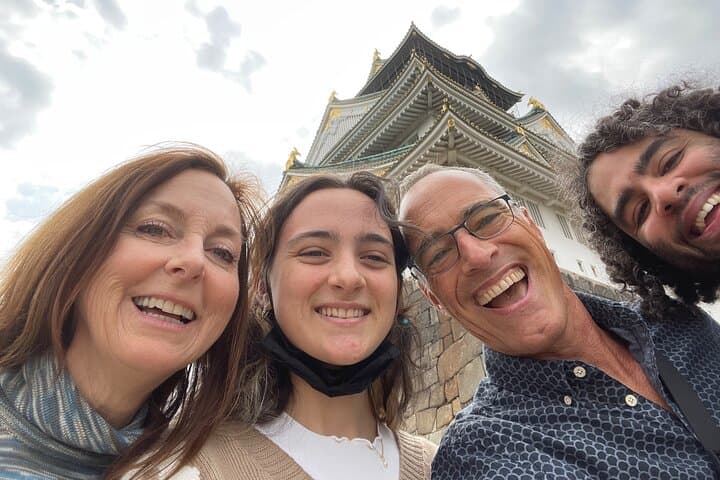
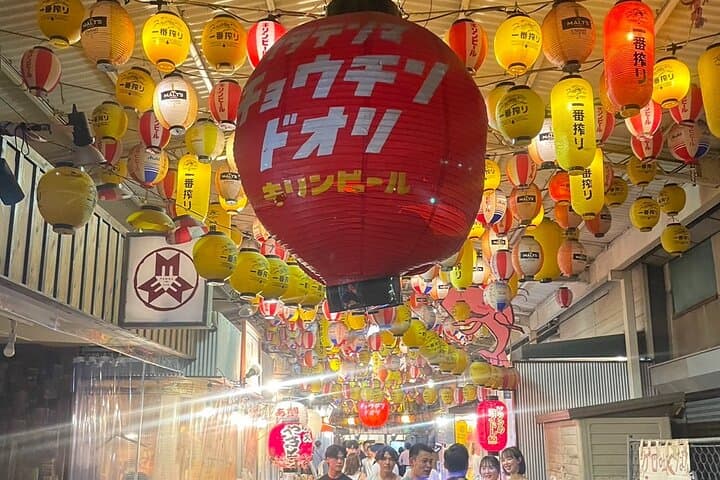
You step out of your hotel and the city takes the lead: the rhythm of commuters, the scent of grilled octopus from a nearby stall, and neon already rehearsing for nightfall along the canal. A local English-speaking guide meets you at your door, and together you move through layered Osaka — polished green parkland around Osaka Castle, the electric crush of Dotonbori, the retro grit of Shinsekai and the streetwise creativity of Amemura.
Verified experiences and guided adventures in the surrounding area.
Operated by GoWithUs Japan · Osaka, Osaka Prefecture
You step out of your hotel and the city takes the lead: the rhythm of commuters, the scent of grilled octopus from a nearby stall, and neon already rehearsing for nightfall along the canal. A local English-speaking guide meets you at your door, and together you move through layered Osaka — polished green parkland around Osaka Castle, the electric crush of Dotonbori, the retro grit of Shinsekai and the streetwise creativity of Amemura.
Osaka began as a commercial heartland on the Yodo River plain, a mercantile engine that fed and funded Japan’s early modern growth. Toyotomi Hideyoshi’s castle dominates the skyline—stone, plaster and history—while the cityscape to the south has grown from postwar industry into neon cuisine culture. Geologically, you’re on soft alluvial plains near the Seto Inland Sea, which explains the broad rivers and bridged arteries guiding the city’s flow.
Culturally, expect warm directness: Osaka people are proud of food (kuidaore: eat until you drop), bargain markets and an irreverent sense of fun. Practicalities are straightforward: the guide uses trains and subways, so bring an IC transit card or cash for fares; most walking is flat but continuous, and options to skip segments by transit are possible at guest expense.
Timing matters—castle and parks for daylight, Dotonbori for evening lights. Wear comfortable shoes, carry water, and plan roughly 3–5 hours depending on your pace and chosen stops. With a private guide who tailors the route, this tour delivers city history, street food stops and local insights without the crowded pace of larger groups.
easy.
3–5 hours.
Light to moderate: you should be comfortable walking 2–4 miles with short transit hops and occasional stairs.
Yes — the tour includes hotel meet-up; please provide full address and a clear meeting point when booking.
Admission to the castle museum is not included and can be added at traveler expense during the tour if you choose to enter.
The listing notes wheelchair-accessible options; contact the operator ahead of time to confirm routes and any transit requirements.
Tipping is not customary in Japan; a polite thank-you is appreciated—tips are generally unnecessary for guides.
Osaka developed as Japan’s commercial hub—Toyotomi Hideyoshi rebuilt it around Osaka Castle in the 16th century, shaping the city’s urban core.
Urban tourism concentrates foot traffic on narrow streets and parks; travel light, take rubbish with you, and follow local rules to reduce impact.
GoWithUs Japan operates guided outdoor trips and adventures with an emphasis on safety, stewardship, and memorable experiences.
You step out of your hotel and the city takes the lead: the rhythm of commuters, the scent of grilled octopus from a nearby stall, and neon already rehearsing for nightfall along the canal. A local English-speaking guide meets you at your door, and together you move through layered Osaka — polished green parkland around Osaka Castle, the electric crush of Dotonbori, the retro grit of Shinsekai and the streetwise creativity of Amemura.
You step out of your hotel and the city takes the lead: the rhythm of commuters, the scent of grilled octopus from a nearby stall, and neon already rehearsing for nightfall along the canal. A local English-speaking guide meets you at your door, and together you move through layered Osaka — polished green parkland around Osaka Castle, the electric crush of Dotonbori, the retro grit of Shinsekai and the streetwise creativity of Amemura.
Osaka began as a commercial heartland on the Yodo River plain, a mercantile engine that fed and funded Japan’s early modern growth. Toyotomi Hideyoshi’s castle dominates the skyline—stone, plaster and history—while the cityscape to the south has grown from postwar industry into neon cuisine culture. Geologically, you’re on soft alluvial plains near the Seto Inland Sea, which explains the broad rivers and bridged arteries guiding the city’s flow.
Culturally, expect warm directness: Osaka people are proud of food (kuidaore: eat until you drop), bargain markets and an irreverent sense of fun. Practicalities are straightforward: the guide uses trains and subways, so bring an IC transit card or cash for fares; most walking is flat but continuous, and options to skip segments by transit are possible at guest expense.
Timing matters—castle and parks for daylight, Dotonbori for evening lights. Wear comfortable shoes, carry water, and plan roughly 3–5 hours depending on your pace and chosen stops. With a private guide who tailors the route, this tour delivers city history, street food stops and local insights without the crowded pace of larger groups.