THE ADVENTURE COLLECTIVE® · Independent discovery and booking for outdoor travel

Explore Osaka on foot with a private local guide who tailors the route to your interests—food, history, shopping, or hidden alleys. Expect 2–8 hours of paced walking through neon canals, quiet temples, and tucked-away eateries.
Explore Osaka on foot with a private local guide who tailors the route to your interests—food, history, shopping, or hidden alleys. Expect 2–8 hours of paced walking through neon canals, quiet temples, and tucked-away eateries.
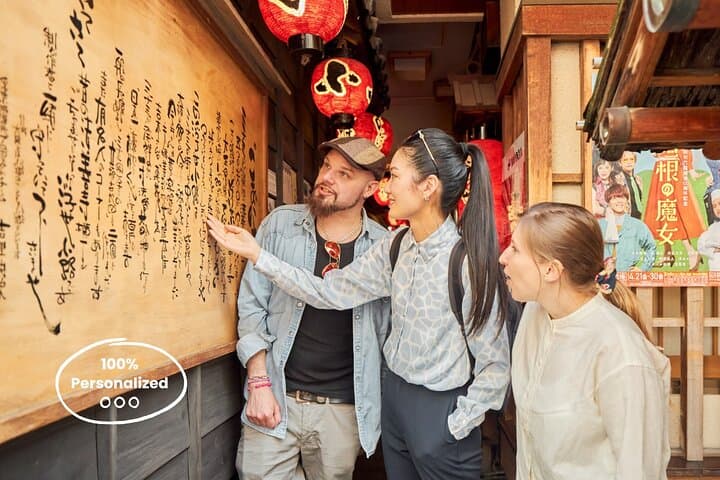
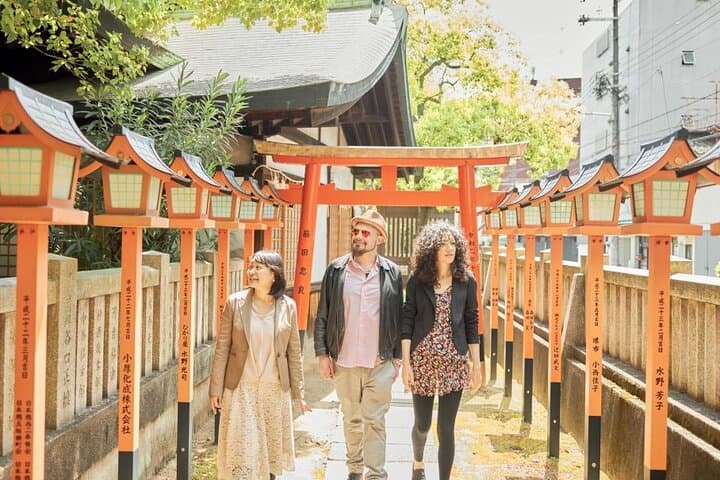
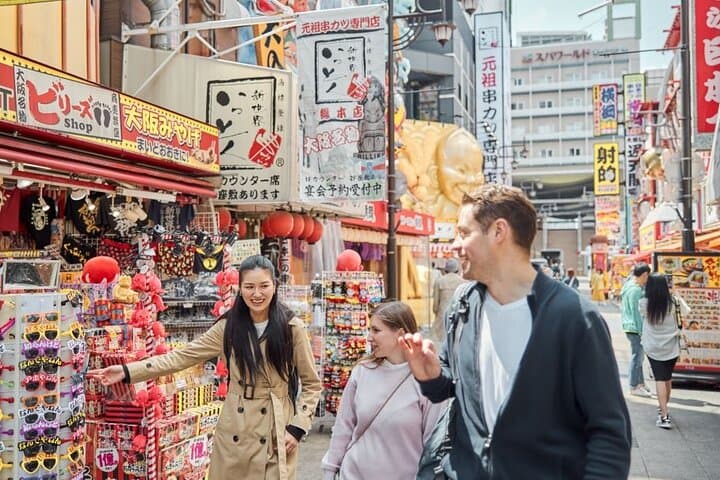
The first steps fall into the city's rhythm: neon reflections on canal water, the chatter of early-morning vendors, and the narrow stone alley where Hozenji's moss-lipped statue watches passersby. A private walking tour through Osaka moves at a human pace—close enough to smell takoyaki, far enough to hear the city’s layered stories.
Verified experiences and guided adventures in the surrounding area.
Operated by City Unscripted · Osaka, Osaka
The first steps fall into the city's rhythm: neon reflections on canal water, the chatter of early-morning vendors, and the narrow stone alley where Hozenji's moss-lipped statue watches passersby. A private walking tour through Osaka moves at a human pace—close enough to smell takoyaki, far enough to hear the city’s layered stories.
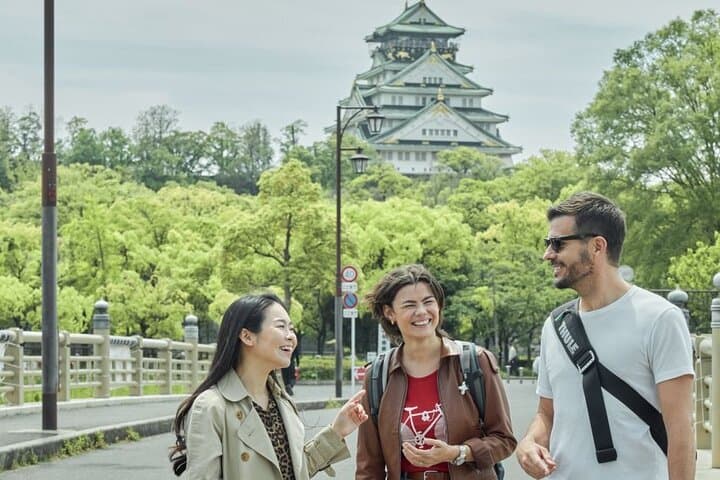
Osaka’s story is mercantile and resilient. Once the commercial heart of western Japan and known as the “kitchen of the nation,” it wears centuries of trade, theater, and temple rites on its streets. Geologically, the plain is reclaimed and leveled, the rivers having carved routes that now double as neon-lit thoroughfares. Cultural contrasts arrive quickly: Shitennoji’s quiet courtyards, the grandeur of Osaka Castle’s stone base, and the youthful chaos of Amerikamura.
A local host shapes the day to your interests—history, food, shopping, or modern art—using public transport to bridge neighborhoods when needed. Expect 2–8 hours of walking with frequent stops: alleyway izakayas, department-store basements, museum gardens, and vantage points over the canal that seems to dare you to cross for a better photo.
Practical notes: wear supportive shoes, carry a light rain layer (Osaka’s weather can flip in hours), and bring a transit IC card for quick subway hops. Discuss mobility or timing needs with your host ahead of the tour; many sites have steps or narrow passages. With a guide who knows local rhythms, the city gives up its hidden corners—one bite, one story at a time.
easy.
2–8 hours.
Light to moderate walking fitness—able to walk continuously for several hours with short breaks.
Tours are flexible between approximately 2 and 8 hours; your host will tailor the itinerary and confirm timing after booking.
Many routes are accessible but some alleys and temples have steps—inform the host at booking to plan an accessible route.
Guides are matched after you complete the questionnaire; hosts commonly speak English and Japanese—specify language preferences in the form.
Admissions and meals are not included by default; the host can advise and arrange tickets or reservations during planning.
Osaka grew as a merchant hub and home to early temples such as Shitennoji (founded 593), shaping its blend of commerce and culture.
Visitors are encouraged to use public transit, minimize single-use plastics, and respect temple grounds—litter control and crowd management are active priorities in popular districts.
City Unscripted operates guided outdoor trips and adventures with an emphasis on safety, stewardship, and memorable experiences.
The first steps fall into the city's rhythm: neon reflections on canal water, the chatter of early-morning vendors, and the narrow stone alley where Hozenji's moss-lipped statue watches passersby. A private walking tour through Osaka moves at a human pace—close enough to smell takoyaki, far enough to hear the city’s layered stories.
The first steps fall into the city's rhythm: neon reflections on canal water, the chatter of early-morning vendors, and the narrow stone alley where Hozenji's moss-lipped statue watches passersby. A private walking tour through Osaka moves at a human pace—close enough to smell takoyaki, far enough to hear the city’s layered stories.
Osaka’s story is mercantile and resilient. Once the commercial heart of western Japan and known as the “kitchen of the nation,” it wears centuries of trade, theater, and temple rites on its streets. Geologically, the plain is reclaimed and leveled, the rivers having carved routes that now double as neon-lit thoroughfares. Cultural contrasts arrive quickly: Shitennoji’s quiet courtyards, the grandeur of Osaka Castle’s stone base, and the youthful chaos of Amerikamura.
A local host shapes the day to your interests—history, food, shopping, or modern art—using public transport to bridge neighborhoods when needed. Expect 2–8 hours of walking with frequent stops: alleyway izakayas, department-store basements, museum gardens, and vantage points over the canal that seems to dare you to cross for a better photo.
Practical notes: wear supportive shoes, carry a light rain layer (Osaka’s weather can flip in hours), and bring a transit IC card for quick subway hops. Discuss mobility or timing needs with your host ahead of the tour; many sites have steps or narrow passages. With a guide who knows local rhythms, the city gives up its hidden corners—one bite, one story at a time.