THE ADVENTURE COLLECTIVE® · Independent discovery and booking for outdoor travel

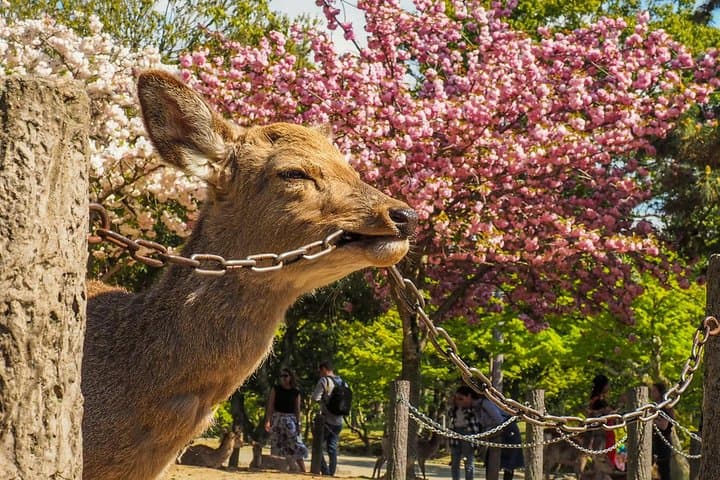
Spend a custom day in Nara with a private local guide—see Todai-ji, Kasuga Taisha, Isuien Garden, and freely roaming deer while your guide tailors the route to your interests. Expect walking, cultural context, and local tips to make the most of the day.
Spend a custom day in Nara with a private local guide—see Todai-ji, Kasuga Taisha, Isuien Garden, and freely roaming deer while your guide tailors the route to your interests. Expect walking, cultural context, and local tips to make the most of the day.
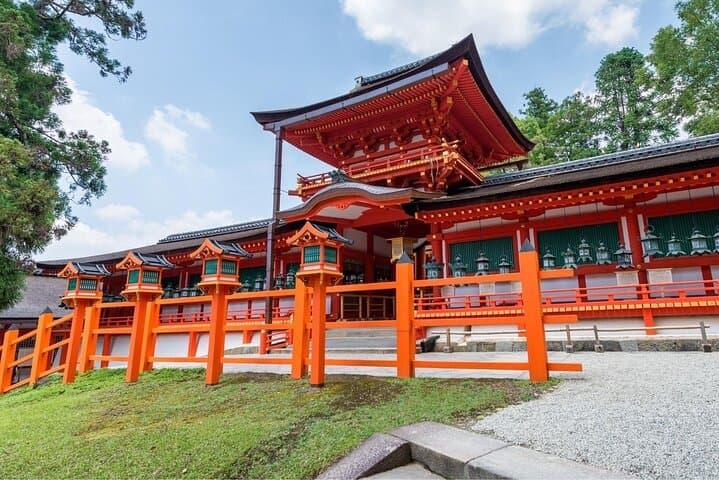
You step off the train into open air that smells faintly of cedar and incense, and a herd of placid deer pauses, as if negotiating whether you'll be company or passerby. The cobbled approach to Todai-ji rises ahead, its timbered eaves throwing cool shadows across the path while lanterns at Kasuga Taisha loom like patient sentries.
Verified experiences and guided adventures in the surrounding area.
Operated by City Unscripted · Nara, Nara
You step off the train into open air that smells faintly of cedar and incense, and a herd of placid deer pauses, as if negotiating whether you'll be company or passerby. The cobbled approach to Todai-ji rises ahead, its timbered eaves throwing cool shadows across the path while lanterns at Kasuga Taisha loom like patient sentries.
Nara's story is written in stone and forest: a capital of the 8th-century Nara period where Buddhism took root and monumental architecture—like the Daibutsu, a towering bronze Buddha—still anchors the city. Geologically the plain sits on soft alluvial soils fed by nearby rivers, which supported early settlements and the broad park that now lets deer roam freely between temples and gardens. Local culture blends Shinto and Buddhist practice; votive lanterns and garden design reflect centuries of ritual and aesthetic refinement.
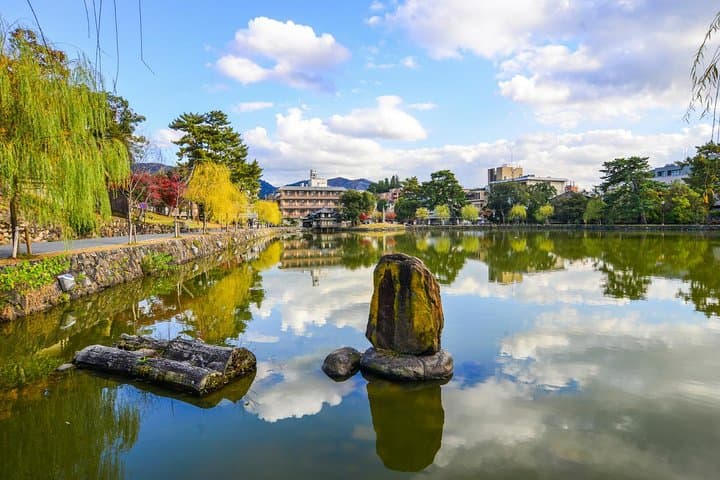
On a private, personalized walking tour you trade crowds for context—your guide threads history, folklore, and neighborhood tips into each stop, whether that’s Isuien Garden’s layered views or a tucked-away street food stall with warmed mochi.
Practical guidance: this is a largely flat, walkable day with public-transport legs; bring cash for admissions and small purchases, wear sturdy shoes for uneven temple grounds, and plan to move at a flexible pace—the itinerary adapts to your interests. Respect signage around deer (they can be bold), and aim for early morning or late afternoon to avoid peak tour groups. With preparation, a day here feels like a compact cultural trek: part pilgrimage, part slow discovery, all local texture and practical rhythm.
easy.
9 hours.
Suitable for most fitness levels — expect several miles of walking at a leisurely pace with short public-transport transfers.
Most guests meet in central Osaka and take a direct train to Nara (Kintetsu or JR lines), with the guide coordinating meeting point and timing after booking.
Many park paths and some temple areas are accessible, and the tour lists wheelchair and stroller accessibility—confirm specifics with your guide when arranging the itinerary.
Feeding is only allowed with designated deer crackers sold in the park; follow your guide’s advice and posted rules to avoid startling or injuring animals.
Admissions to sites like Isuien Garden and Todai-ji are noted as included in this tour, but confirm details during booking and carry small change for any optional stops.
Nara was Japan’s first permanent capital in the 8th century; many surviving temples date from that early era and influenced religious life across the archipelago.
Nara Park balances tourism with wildlife management—follow local rules for feeding and waste, and stick to paths to protect moss and shrine ecosystems.
City Unscripted operates guided outdoor trips and adventures with an emphasis on safety, stewardship, and memorable experiences.
You step off the train into open air that smells faintly of cedar and incense, and a herd of placid deer pauses, as if negotiating whether you'll be company or passerby. The cobbled approach to Todai-ji rises ahead, its timbered eaves throwing cool shadows across the path while lanterns at Kasuga Taisha loom like patient sentries.
You step off the train into open air that smells faintly of cedar and incense, and a herd of placid deer pauses, as if negotiating whether you'll be company or passerby. The cobbled approach to Todai-ji rises ahead, its timbered eaves throwing cool shadows across the path while lanterns at Kasuga Taisha loom like patient sentries.
Nara's story is written in stone and forest: a capital of the 8th-century Nara period where Buddhism took root and monumental architecture—like the Daibutsu, a towering bronze Buddha—still anchors the city. Geologically the plain sits on soft alluvial soils fed by nearby rivers, which supported early settlements and the broad park that now lets deer roam freely between temples and gardens. Local culture blends Shinto and Buddhist practice; votive lanterns and garden design reflect centuries of ritual and aesthetic refinement.
On a private, personalized walking tour you trade crowds for context—your guide threads history, folklore, and neighborhood tips into each stop, whether that’s Isuien Garden’s layered views or a tucked-away street food stall with warmed mochi.
Practical guidance: this is a largely flat, walkable day with public-transport legs; bring cash for admissions and small purchases, wear sturdy shoes for uneven temple grounds, and plan to move at a flexible pace—the itinerary adapts to your interests. Respect signage around deer (they can be bold), and aim for early morning or late afternoon to avoid peak tour groups. With preparation, a day here feels like a compact cultural trek: part pilgrimage, part slow discovery, all local texture and practical rhythm.