THE ADVENTURE COLLECTIVE® · Independent discovery and booking for outdoor travel

A six-hour private tour that threads Osaka’s samurai history with its neon present—Osaka Castle, Shinsaibashi’s shopping arcade, Dotonbori’s street-food scene, and quieter temples. Expect a paced mix of walking, short transit hops, and local food stops.
A six-hour private tour that threads Osaka’s samurai history with its neon present—Osaka Castle, Shinsaibashi’s shopping arcade, Dotonbori’s street-food scene, and quieter temples. Expect a paced mix of walking, short transit hops, and local food stops.
You step out of Osaka Station into a pulse of neon and history: the city’s hum rises from crowded arcades, a canal blinks with reflected signs, and a guide in a kimono haori leads you toward a stone fortress rising above parkland.
Verified experiences and guided adventures in the surrounding area.
Operated by Osaka, Kyoto and Kansai awesome tour · Osaka, Osaka Prefecture
You step out of Osaka Station into a pulse of neon and history: the city’s hum rises from crowded arcades, a canal blinks with reflected signs, and a guide in a kimono haori leads you toward a stone fortress rising above parkland.
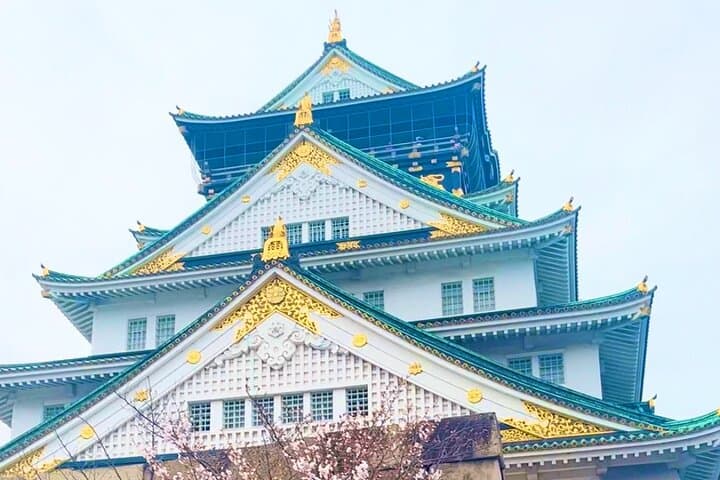
Start at Osaka Castle, raised by Toyotomi Hideyoshi in 1583 and rebuilt into the dramatic concrete tower visitors climb today. The castle grounds unfold like layers of Osaka’s past—moats and massive stonework from the Sengoku period, then modern skyline views from the observation deck. Walk through Nishinomaru Garden and you'll find seasonal contrasts: cherry blossoms in spring and crisp maple color in autumn.
The tour shifts gears into Shinsaibashi and Dotonbori, where commerce and cuisine take center stage. Shinsaibashi-suji’s covered arcade stretches over 600 meters, a practical corridor of fashion and local craft. Dotonbori’s canal and signs—Glico’s running man among them—announce the city’s appetite for spectacle; stalls sell takoyaki and kushikatsu that define Osaka’s street-food culture. Historic Shitennoji Temple and retro Shinsekai with Tsutenkaku add quieter chapters: Buddhist architecture, temple markets, and postwar urban reinvention.
Practical guidance: the full private tour runs about six hours on foot and by short transit hops; plan comfortable footwear, some cash for small eateries and shrine offerings, and a light layer for sudden rain. Midday is best for street food sampling; late afternoon gives softer light at the castle and thinner crowds in the shopping arcades. Your guide will handle logistics—bring curiosity, a charged phone for photos, and respect for religious sites and local customs.
easy.
6 hours.
Suitable for most fitness levels; you should be able to stand and walk for multiple short intervals and climb stairs.
Admission to the castle museum is not included in the basic tour price; the current fee is approximately 600 JPY per person.
Yes—guides can suggest restaurants and street-food options that meet dietary needs; notify special requirements at booking.
The city portions are largely accessible, but some castle areas and older temple precincts have steps; contact the operator ahead to confirm specific access needs.
This is a private guided tour—capacity is limited to your booking party for a personalized experience.
Osaka Castle, originally built in 1583 by Toyotomi Hideyoshi, was a focal point in the unification of Japan and later reconstructed into the modern museum tower.
Respect for heritage sites is emphasized—avoid littering, stick to marked paths in gardens, and use public transit to reduce local congestion.
Osaka, Kyoto and Kansai awesome tour operates guided outdoor trips and adventures with an emphasis on safety, stewardship, and memorable experiences.
You step out of Osaka Station into a pulse of neon and history: the city’s hum rises from crowded arcades, a canal blinks with reflected signs, and a guide in a kimono haori leads you toward a stone fortress rising above parkland.
You step out of Osaka Station into a pulse of neon and history: the city’s hum rises from crowded arcades, a canal blinks with reflected signs, and a guide in a kimono haori leads you toward a stone fortress rising above parkland.
Start at Osaka Castle, raised by Toyotomi Hideyoshi in 1583 and rebuilt into the dramatic concrete tower visitors climb today. The castle grounds unfold like layers of Osaka’s past—moats and massive stonework from the Sengoku period, then modern skyline views from the observation deck. Walk through Nishinomaru Garden and you'll find seasonal contrasts: cherry blossoms in spring and crisp maple color in autumn.
The tour shifts gears into Shinsaibashi and Dotonbori, where commerce and cuisine take center stage. Shinsaibashi-suji’s covered arcade stretches over 600 meters, a practical corridor of fashion and local craft. Dotonbori’s canal and signs—Glico’s running man among them—announce the city’s appetite for spectacle; stalls sell takoyaki and kushikatsu that define Osaka’s street-food culture. Historic Shitennoji Temple and retro Shinsekai with Tsutenkaku add quieter chapters: Buddhist architecture, temple markets, and postwar urban reinvention.
Practical guidance: the full private tour runs about six hours on foot and by short transit hops; plan comfortable footwear, some cash for small eateries and shrine offerings, and a light layer for sudden rain. Midday is best for street food sampling; late afternoon gives softer light at the castle and thinner crowds in the shopping arcades. Your guide will handle logistics—bring curiosity, a charged phone for photos, and respect for religious sites and local customs.