THE ADVENTURE COLLECTIVE® · Independent discovery and booking for outdoor travel

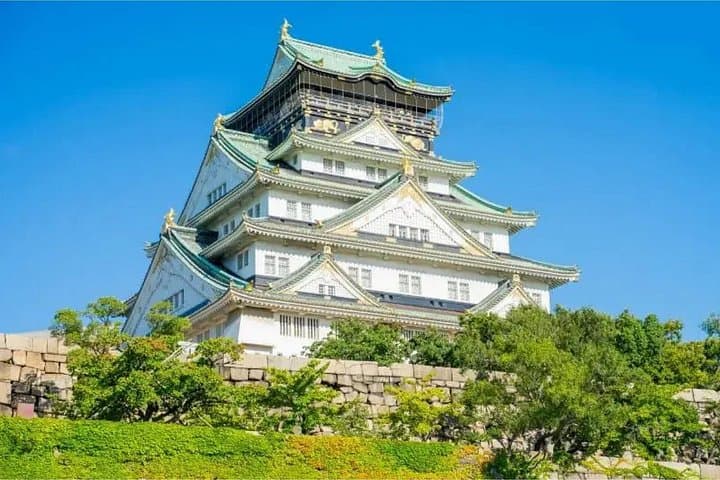
Explore Osaka in a single day with a private guide and air‑conditioned vehicle — from the 7th‑century calm of Shitennoji to the neon energy of Dotonbori and the commanding sprawl of Osaka Castle. This day tour mixes history, local food stops, and manageable walks across the city.
Explore Osaka in a single day with a private guide and air‑conditioned vehicle — from the 7th‑century calm of Shitennoji to the neon energy of Dotonbori and the commanding sprawl of Osaka Castle. This day tour mixes history, local food stops, and manageable walks across the city.
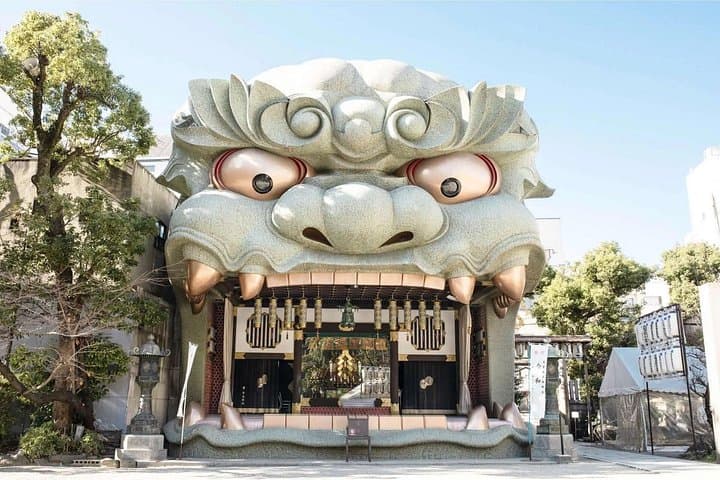
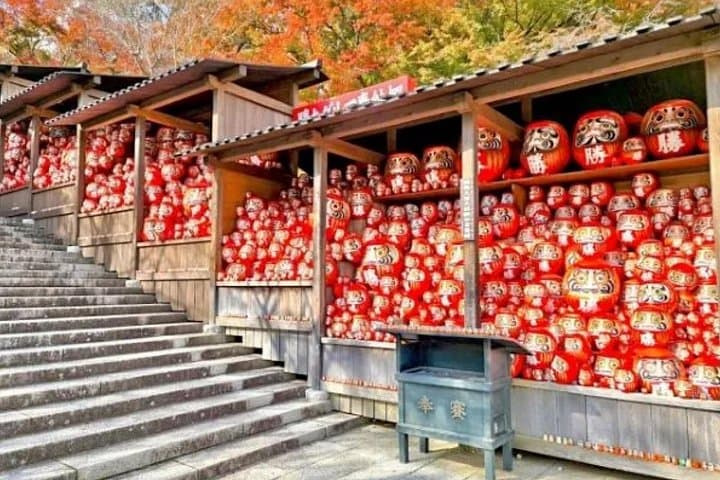
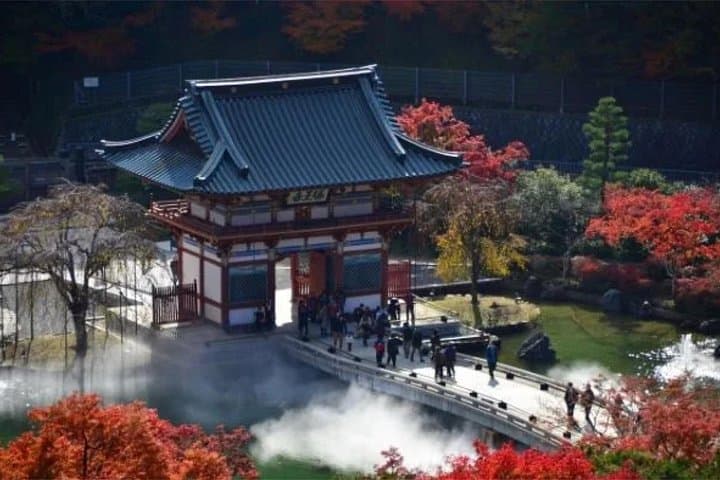
You step out of an air‑conditioned vehicle into a city that moves at two speeds: the steady, ancient pace of temples and the bright, rushing pulse of neon along the Dotonbori canal. The tour threads through both — stone steps lead upward to a mountainside temple while below, the canal dares you to taste the city’s street food under electric signs.
Verified experiences and guided adventures in the surrounding area.
Operated by Unemoto LLC · Osaka, Osaka Prefecture
You step out of an air‑conditioned vehicle into a city that moves at two speeds: the steady, ancient pace of temples and the bright, rushing pulse of neon along the Dotonbori canal. The tour threads through both — stone steps lead upward to a mountainside temple while below, the canal dares you to taste the city’s street food under electric signs.
Osaka’s story reads in layers: Shitennoji, founded in 593 CE by Prince Shōtoku, marks an early Buddhist foothold in Japan; Osaka Castle, rebuilt after the 16th‑century campaigns of Toyotomi Hideyoshi, anchors the city’s samurai-era history. Geologically the city sits on alluvial plains fed by rivers like the Yodo, which shaped trade routes and the dense urban grid you move through today. Culture here is mercantile and immediate — courtyards, shrine rituals, and the loud, friendly commerce of Dotonbori.
This private day tour typically runs 6–9 hours and combines short walks, temple grounds with steps, and urban strolls. Expect paved streets, some cobblestone alleys (Hozenji Yokocho), and stairs at heritage sites; Katsuoji sits higher and may require more steps. Guides handle logistics and parking; you’ll often change between short walking segments and the vehicle.
Practical guidance: wear supportive walking shoes, carry local cash for smaller vendors, and plan for seasonal weather — rain in early summer and crisp, cool air in autumn. Bring a compact charger and a modest respect for shrine etiquette: bow lightly, silence phones, and leave no trace in sacred spaces.
moderate.
6–9 hours.
Moderate fitness: comfortable walking 3–6 miles (5–10 km) over a day and climbing staircases at historic sites.
Pickup and drop‑off are generally offered within Osaka city limits; specify your pickup point when booking so the operator can confirm accessibility.
This tour lists attractions with admission not included—expect to pay entrance or museum fees at places like Osaka Castle unless stated otherwise.
The vehicle and many public areas are wheelchair accessible, but some historic sites have uneven ground or steps—check specific site accessibility with the operator in advance.
This listing notes an English‑speaking driver/host; confirm language needs when you book to ensure an English guide is provided.
Osaka developed as Japan’s mercantile center; Toyotomi Hideyoshi’s Osaka Castle symbolized political consolidation in the 16th century while Shitennoji reflects early Buddhist influence from the 7th century.
Respect temple grounds and local waste separation rules; carrying a reusable bottle and minimizing single‑use plastics helps reduce the city’s tourist impact.
Unemoto LLC operates guided outdoor trips and adventures with an emphasis on safety, stewardship, and memorable experiences.
You step out of an air‑conditioned vehicle into a city that moves at two speeds: the steady, ancient pace of temples and the bright, rushing pulse of neon along the Dotonbori canal. The tour threads through both — stone steps lead upward to a mountainside temple while below, the canal dares you to taste the city’s street food under electric signs.
You step out of an air‑conditioned vehicle into a city that moves at two speeds: the steady, ancient pace of temples and the bright, rushing pulse of neon along the Dotonbori canal. The tour threads through both — stone steps lead upward to a mountainside temple while below, the canal dares you to taste the city’s street food under electric signs.
Osaka’s story reads in layers: Shitennoji, founded in 593 CE by Prince Shōtoku, marks an early Buddhist foothold in Japan; Osaka Castle, rebuilt after the 16th‑century campaigns of Toyotomi Hideyoshi, anchors the city’s samurai-era history. Geologically the city sits on alluvial plains fed by rivers like the Yodo, which shaped trade routes and the dense urban grid you move through today. Culture here is mercantile and immediate — courtyards, shrine rituals, and the loud, friendly commerce of Dotonbori.
This private day tour typically runs 6–9 hours and combines short walks, temple grounds with steps, and urban strolls. Expect paved streets, some cobblestone alleys (Hozenji Yokocho), and stairs at heritage sites; Katsuoji sits higher and may require more steps. Guides handle logistics and parking; you’ll often change between short walking segments and the vehicle.
Practical guidance: wear supportive walking shoes, carry local cash for smaller vendors, and plan for seasonal weather — rain in early summer and crisp, cool air in autumn. Bring a compact charger and a modest respect for shrine etiquette: bow lightly, silence phones, and leave no trace in sacred spaces.